
One storm is already in the books, and forecasters are watching at least two more areas behind it. Tropical Storm Amanda became the first named storm of the Eastern Pacific hurricane season, forming over open waters far from major population centers. While Amanda itself has remained largely away from land, meteorologists say its arrival is a reminder that the Pacific season is beginning to accelerate.
For weather experts, the significance goes beyond a single storm. Amanda's formation signals that conditions across the eastern Pacific are becoming increasingly favorable for tropical development, even as the Atlantic basin remains unusually quiet.
The Bottom Line
- Tropical Storm Amanda became the first named storm of the 2026 Eastern Pacific hurricane season.
- The system formed over open waters and remained far from major land areas.
- Forecasters are monitoring additional regions that could develop into future tropical systems.
- The Pacific basin is becoming active while the Atlantic remains relatively dormant.
- Weather agencies continue to monitor changing ocean and atmospheric conditions.
Breaking It Down
The season's first named storm emerged after an area of disturbed weather organized sufficiently to earn the Amanda designation. The storm developed over the eastern Pacific Ocean, where warmer waters and favorable atmospheric conditions have supported tropical development in recent days.
What's interesting is that Amanda formed at a time when attention in many parts of the United States has focused on the Atlantic hurricane season. Yet meteorological patterns have flipped the script for now, with the Pacific showing more activity while the Atlantic remains comparatively quiet.

Meanwhile, forecasters have highlighted additional areas that could develop in Amanda's wake. That does not guarantee new storms will form, but it does suggest that the broader environment is becoming increasingly supportive of tropical cyclones.
In Hawaii, weather watchers have also monitored the system's evolution alongside powerful ocean swells affecting coastal areas. Amanda itself remained far from the islands, but the broader weather pattern has attracted attention across the Pacific.
Why This Matters
If you're following hurricane season closely, you might be wondering why a storm far from land deserves attention. The answer is simple: early-season activity often provides clues about broader environmental conditions that can influence future storm development.
For people in the United States, particularly along the West Coast, Hawaii and Pacific-facing interests, monitoring Eastern Pacific storms helps forecasters refine seasonal outlooks and improve preparedness. While Amanda has not posed a direct threat to the mainland, tropical systems can affect shipping routes, surf conditions and regional weather patterns.
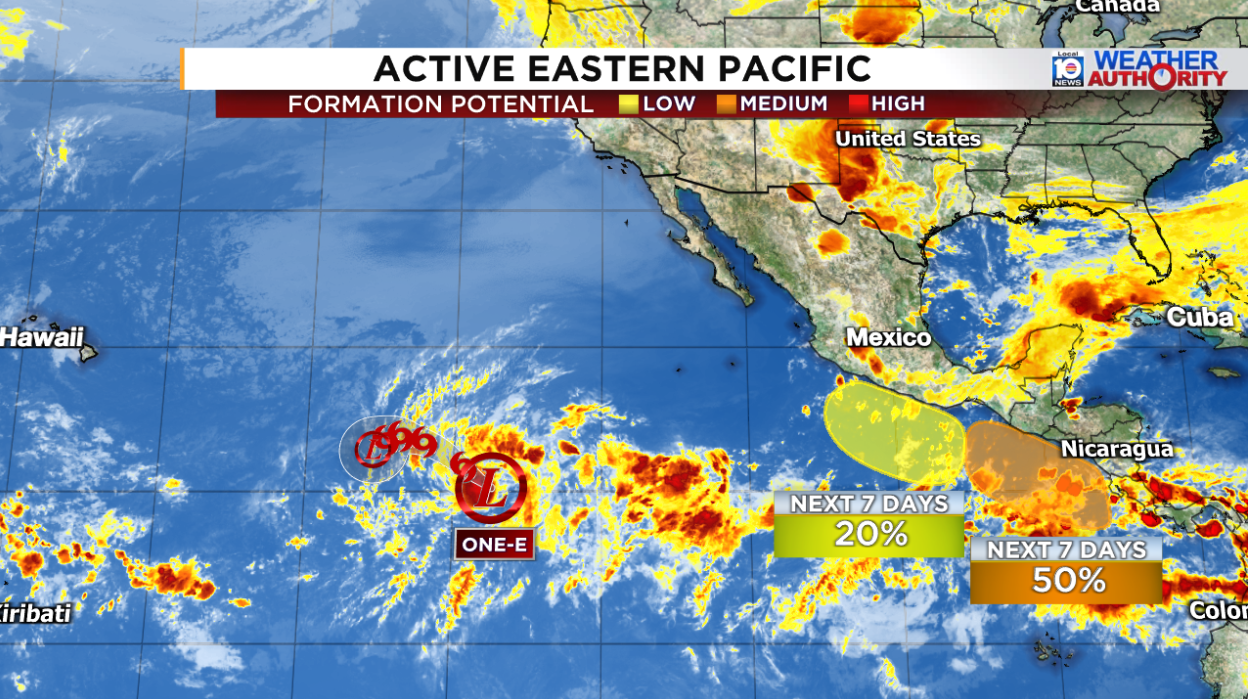
There's also a historical perspective. The first named storm of a season does not necessarily predict how active the entire year will be. Still, as the saying goes, the ball is rolling. Meteorologists now have their first real-world system to track, analyze and compare against seasonal expectations.
What Comes Next
Forecasters will continue monitoring Amanda's path and intensity while evaluating nearby disturbances for further development. New advisories and tropical outlooks are expected as conditions evolve over the coming days.
Residents in Pacific-facing regions and anyone with travel plans across affected waters should keep an eye on official forecasts. Hurricane season is a marathon, not a sprint, and Amanda may only be the opening chapter.
FAQ
What is Tropical Storm Amanda?
Amanda is the first named tropical storm of the 2026 Eastern Pacific hurricane season.
Where did Amanda form?
The storm formed over open waters in the Eastern Pacific Ocean, away from major land areas.
Is Tropical Storm Amanda threatening the United States?
Current reports indicate Amanda has remained far from the U.S. mainland and major populated areas.
Are more storms expected after Amanda?
Forecasters are monitoring additional areas that could develop into tropical systems in the coming days.
Why is the Pacific more active than the Atlantic right now?
Ocean temperatures and atmospheric conditions currently appear more favorable for development in the Eastern Pacific basin.