
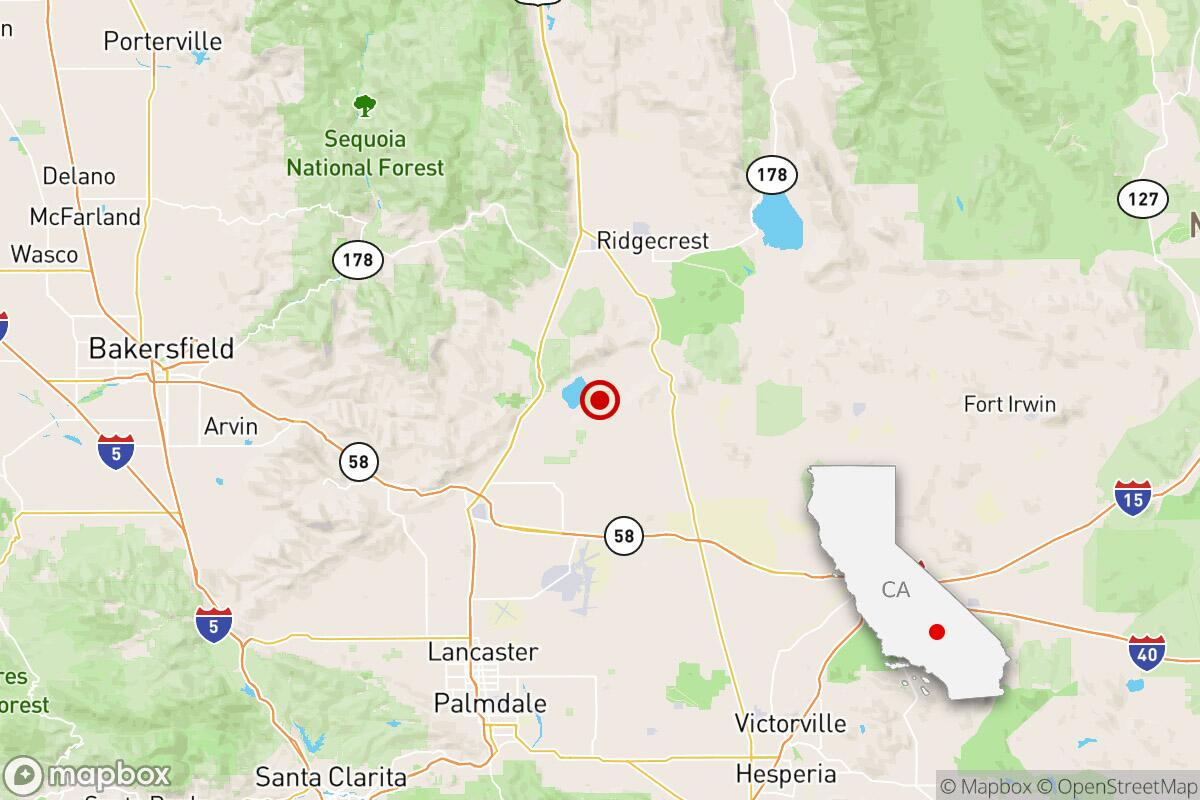
Magnitude 4.3 shaking reached parts of Southern California after an earthquake struck the Mojave Desert at 9:40 a.m. Pacific time on Monday, July 13, 2026. The epicenter was near Johannesburg in Kern County, north of Edwards Air Force Base, and the quake occurred at a depth of about 4.7 miles. People reported feeling it across several counties, including Los Angeles, yet no injuries or structural damage were immediately reported. The jolt came one day after a magnitude 4.2 earthquake near Frazier Park, putting renewed attention on a busy stretch of Southern California's fault network.
The Bottom Line
- A magnitude 4.3 earthquake struck at 9:40 a.m. Monday near Johannesburg in Kern County.
- The quake was about 19 miles from Ridgecrest and roughly 33 miles north of Edwards Air Force Base.
- Weak or light shaking was reported in places including Santa Clarita, Palmdale, Bakersfield, Burbank, Hollywood, Moorpark, Crestline, and San Bernardino.
- No immediate injuries or structural damage were reported in the supplied coverage.
- The event followed a magnitude 4.2 quake near Frazier Park early Sunday and several smaller aftershocks.
Breaking It Down
The sequence began early Sunday, when a magnitude 4.2 earthquake struck near Frazier Park at 3:38 a.m. The U.S. Geological Survey placed it about 1.2 miles east-southeast of the community and about 8 miles deep. Light to weak shaking was reported from Kern County through Ventura and Los Angeles counties, including Bakersfield, Tehachapi, Santa Clarita, Lancaster, and Palmdale.
That Sunday quake was followed by several aftershocks, including a magnitude 3.2 event later in the morning. A report citing the Southern California Seismic Network said preliminary analysis pointed to the smaller Pleito Fault rather than the nearby San Andreas or Garlock faults. That distinction mattered because online speculation had tied the quake to the larger fault systems, while the network's initial reading did not.

Then, at 9:40 a.m. Monday, the magnitude 4.3 quake struck farther north in the Mojave Desert. A Los Angeles Times report placed the epicenter about five miles from California City, 19 miles from Ridgecrest, 35 miles from Tehachapi, and 43 miles from Lancaster. FOX 11 placed it about 11 miles from Johannesburg, roughly 23 miles south of Ridgecrest.
The shaking traveled well beyond the epicenter. Reports reached Kern, Ventura, San Bernardino, Los Angeles, and Orange counties, with ABC7 viewers saying they felt it in Burbank and Hollywood. Residents who experienced the quake can report what they felt to the USGS, helping document the reach and intensity of the event.
Why This Matters
California records thousands of earthquakes each year, but most are extremely small. According to figures cited by KTLA, several hundred reach magnitude 3.0, while only about 15 to 20 reach magnitude 4.0 or greater. Two quakes above magnitude 4 on consecutive mornings will naturally draw attention, but the supplied seismic reporting says earthquakes of this size are relatively common in Southern California and do not necessarily signal that a larger earthquake is imminent.
The wide area of felt reports also shows why moderate shaking can become a regional story even without immediate damage. The supplied reports describe weak to light shaking across communities in several counties, while also recording no immediate injuries or structural damage. That combination made Monday's quake widely noticed without producing a confirmed damage report.
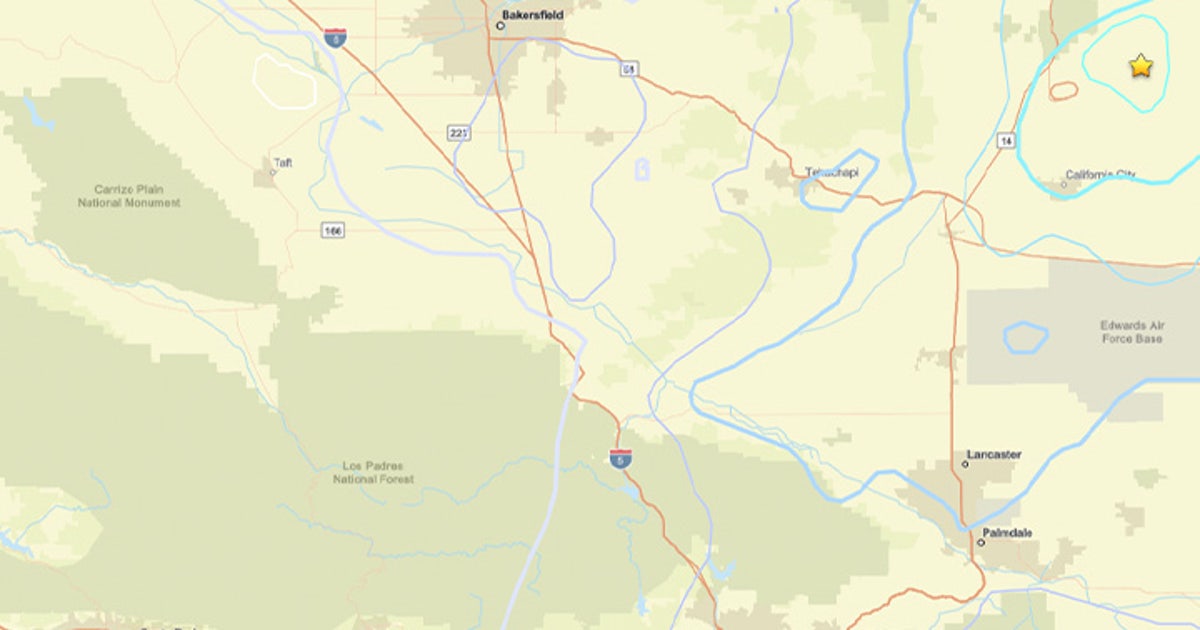
For anyone who feels shaking, the earthquake safety guidance included in the KTLA report is direct: drop to your hands and knees, cover your head and neck under sturdy furniture or beside an interior wall, and hold on until the movement stops. Those steps are designed to reduce the risk of being knocked down or struck by falling objects.
What Comes Next
Aftershocks following a magnitude 4 earthquake can continue for days or weeks, with the chances decreasing over time, according to the seismic guidance cited in the Frazier Park coverage. The supplied reports did not list a scheduled official briefing, so the next confirmed developments would come through updated USGS readings, felt reports, or any later damage assessments.
For residents, the immediate takeaway is practical rather than predictive: watch official earthquake data, report what you felt, and be ready to drop, cover, and hold on if another jolt arrives.
Frequently Asked Questions
Was there an earthquake near Los Angeles on July 13, 2026?
Yes. A magnitude 4.3 earthquake struck Kern County at 9:40 a.m. Pacific time and was felt in parts of Los Angeles County, including Burbank and Hollywood.
Where was the magnitude 4.3 earthquake centered?
The epicenter was near Johannesburg in Kern County, north of Edwards Air Force Base and about 23 miles south of Ridgecrest.
Was anyone hurt in the Southern California earthquake?
No injuries or structural damage were immediately reported in the supplied coverage.
Was the Frazier Park quake on the San Andreas Fault?
Preliminary analysis cited by KBAK said the Sunday quake was likely associated with the smaller Pleito Fault, not the San Andreas or Garlock faults.
What should you do during an earthquake?
Drop to your hands and knees, cover your head and neck under sturdy furniture or near an interior wall, and hold on until the shaking stops.