
The National Weather Service has issued a Freeze Watch and Frost Advisory for the entire Chicago metropolitan area starting Saturday night, as temperatures are expected to plummet following a week of relentless rain and flooding. Local officials are urging residents to prepare for a sharp transition from soggy conditions to potentially damaging sub-freezing weather.
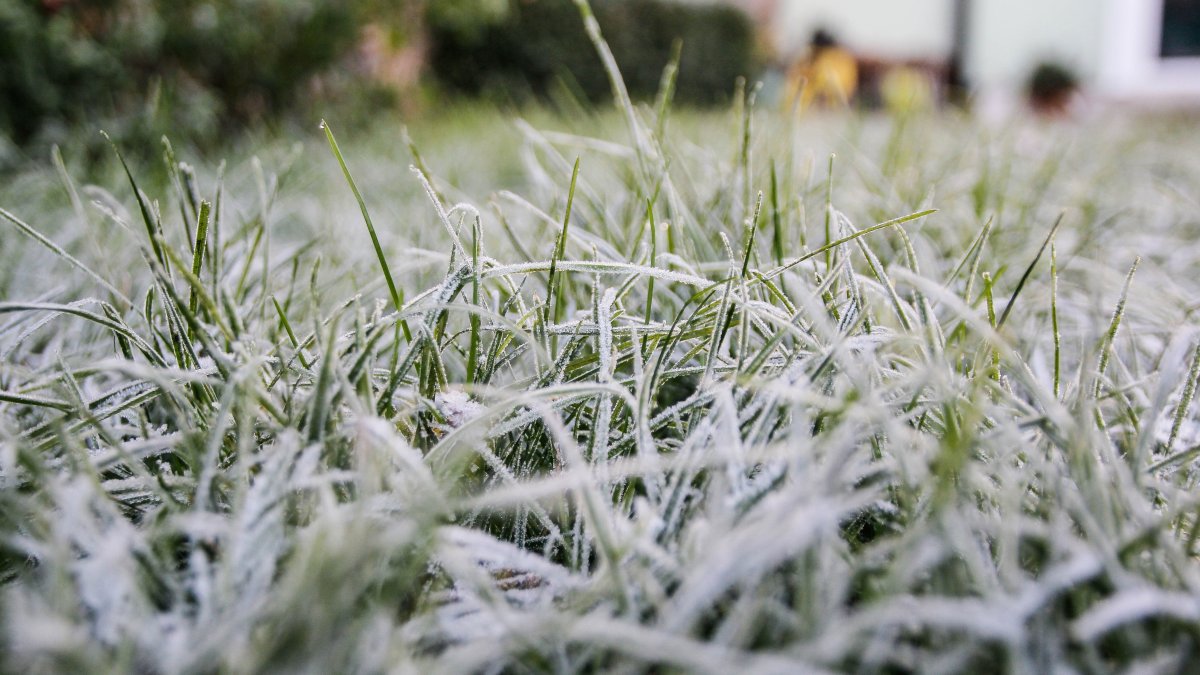
The Full Story
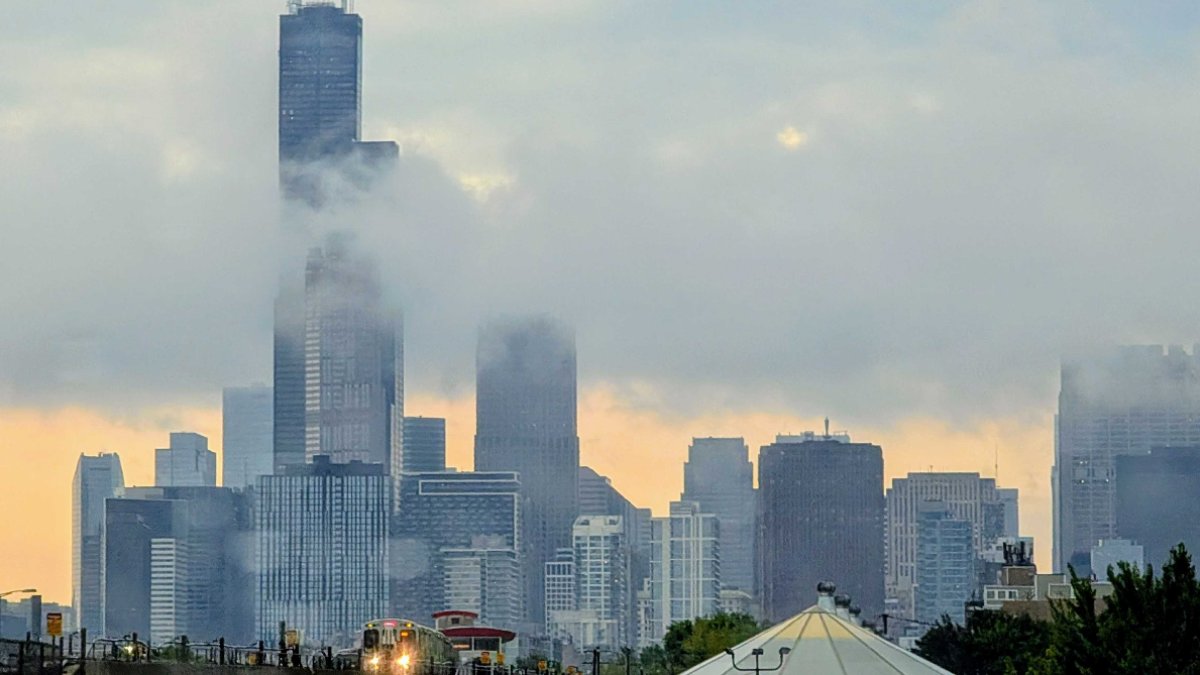
It has been a wild week for the Windy City. After battling consistent downpours and legitimate flooding concerns that kept emergency crews on high alert, the narrative is shifting from water to ice. As the rain finally tapers off, a massive cold front is moving in, dragging the mercury down faster than a Cubs home run ball. The transition is expected to happen overnight, turning wet streets into potential hazards and damp gardens into frost zones.

Forecasters are tracking a pattern where the clouds clear out just enough to let the earth's heat escape into the atmosphere. This "radiational cooling" is the primary culprit behind the Freeze Watch. It is a bit of a double-edged sword—we get the drier conditions we have been begging for, but it comes with a bite that could catch you off guard if you haven't swapped out your light jacket yet.
What is particularly interesting is how this impacts our local infrastructure. With flooding concerns still lingering in parts of the metro area, standing water on secondary roads might not just evaporate; it might freeze. Meanwhile, green spaces that have been soaked all week are now facing a sudden shock that could end the growing season for sensitive plants prematurely.
The Main Players
- National Weather Service (NWS): The federal agency responsible for issuing the official watches and advisories across Cook, DuPage, and surrounding counties.
- Chicago Homeowners: Residents with sensitive outdoor plants or vulnerable plumbing in unheated spaces are on high alert.
- Local Commuters: Drivers face a shift from hydroplaning risks to potential black ice on Saturday night and Sunday morning.
What This Means
For most of us in the U.S. heartland, a freeze in late autumn isn't exactly "stop the presses" news, but the timing matters. Coming immediately off a period of high moisture, this freeze is more likely to cause damage to vegetation and potentially impact exterior pipes that are still holding water. Better safe than sorry—it is time to bring in the potted plants and unhook those garden hoses.
The impact hits the wallet, too. When temperatures drop this sharply, home heating systems get their first real stress test of the season. If you haven't checked your furnace filter or bled your radiators, you might find yourself in a cold house with a high bill. This is more than just weather; it is the official start of the "bundle up" season for the Midwest.
What to Expect
Drier conditions will dominate through Saturday afternoon, providing a brief window for cleanup before the freeze sets in. The Freeze Watch is expected to remain in effect through early Sunday morning. Experts suggest that temperatures will begin to moderate by early next week, but for now, the frost is definitely on the pumpkin.
Frequently Asked Questions
- What is the difference between a Freeze Watch and a Frost Advisory? A Freeze Watch means sub-freezing temperatures (32°F or below) are possible, while a Frost Advisory is issued when frost is expected to form but temperatures may stay slightly above freezing.
- When will the freeze start in Chicago? The coldest temperatures are expected late Saturday night into the early hours of Sunday morning.
- Should I cover my outdoor plants? Yes. To prevent damage, cover sensitive vegetation with burlap or move potted plants indoors before sunset on Saturday.