
Valleys across Idaho and Montana were baking in the 80s and 90s just days ago, but a staggering atmospheric shift has suddenly dumped up to three feet of snow on the Rocky Mountains right before the Fourth of July weekend. A deep upper-level trough plunging from Canada has dragged an unseasonably cold air mass into the region, causing temperatures to plummet by 20 to 30 degrees below normal. Forecasters are warning holiday travelers and backcountry campers to brace for severe winter hazards in the middle of summer.

What We Know So Far
The National Weather Service has issued rare late-June Winter Storm Warnings and Winter Weather Advisories across a broad corridor where Idaho, Montana, and Wyoming share borders. According to data from the FOX Forecast Center, Montana typically sees only one Winter Storm Warning during the entire month of June, while Idaho has recorded just two such alerts since 2020. This particular system is shattering historical averages for June, which normally sit at less than 0.5 inches of snow even across high mountain passes.
The heaviest accumulations are hitting southwestern Montana, central Idaho, and northwest Wyoming. The Georgetown Lake region in Montana could see as much as three feet of snow accumulate through Tuesday, June 30. Heavy, wet snow totaling 8 to 16 inches is targeting the highest peaks of the Anaconda-Pintler and Lemhi ranges, while Idaho's Fourth of July Peak expects around a foot of snow. Meanwhile, Wyoming's Pitchstone Plateau is anticipating roughly 8 inches. The unseasonable cold has also impacted nearby states; on Sunday morning, Burns, Oregon tied a 79-year-old daily record low temperature when the thermometer plunged to 33 degrees, matching a mark set back in 1947.
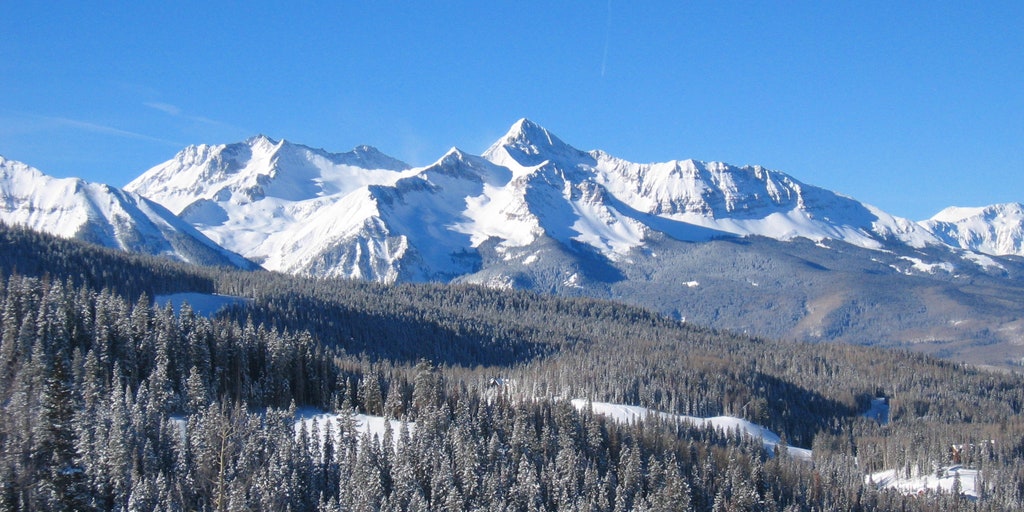
The rapid shift has triggered severe logistical hazards. Ground temperatures on pavement remain warm from recent summer heat, meaning that while some falling snow is melting, mountain pass summits are turning into a treacherous mix of slush and ice. High-traffic thoroughfares—including Homestake, MacDonald, and Lost Trail passes—are seeing a direct transition from rain to snow. In Glacier National Park, where the scenic Going-to-the-Sun Road just opened its full length to vehicles earlier this week, officials warn that the upper route is highly vulnerable to rockfall, debris flows, and sudden icing.
Alongside the mountain snow, lower elevations are dealing with severe weather anomalies. A Flood Watch is in effect for the West Glacier Region, Flathead Valley, and the Potomac area due to continuous heavy rainfall capable of dropping 1 to 3 inches of water, threatening swollen streams and high-country mudslides. Furthermore, a Lake Wind Advisory has been deployed for Flathead Lake, where sustained winds of 20 to 30 mph and gusts topping 55 mph are creating dangerous cross-winds and rough waves for small watercraft.
Voices & Opinions
Meteorologists and government agencies are urging immediate caution, stressing that summer gear needs to go on standby as winter conditions briefly reclaim the high country.
Persons should consider delaying travel across the backcountry and higher elevations. If travel is absolutely necessary, consider taking a winter storm kit along with you, including such items as tire chains, booster cables, flashlight, shovel, blankets and extra clothing.
The sudden drop in temperatures has introduced a serious risk of hypothermia for hikers who are caught unprepared in shorts and light summer clothing. Forecasters emphasize that the heavy, wet nature of June snow puts immense weight on trees that are already in full summer bloom, dramatically increasing the risk of downed branches blocking backcountry roads and trapping campers.
Local Impact
This weather whiplash hits at the worst possible time for the local tourism economy and travelers across the United States. Millions of Americans are currently finalizing travel plans to celebrate the 250th birthday of the United States on the Fourth of July. Major national parks in the region—including Yellowstone, Grand Teton, and Glacier—are in the middle of their peak summer seasons, drawing thousands of out-of-state families who may be entirely unaccustomed to winter driving or freezing mountain conditions.
For those vacationing or living in the affected zones, the National Weather Service advises checking park websites continuously before attempting to traverse mountain trails or passes. Campers staying near streams or the Hungry Horse Reservoir are strongly encouraged to move their rigs to higher ground to avoid sudden flash flooding. Additionally, those sleeping in tents must remember that it takes only a few inches of dense, wet summer snow to collapse recreational gear completely.
Coming Up
The winter alerts and heaviest precipitation are expected to linger through midday Monday, June 29, with some lingering mountain snow showers stretching into Tuesday morning. By Tuesday afternoon, the slow-moving low-pressure system will move east as a weak ridge of high pressure begins to build over the Northwest. However, travelers should not expect an immediate return to scorching summer heat; while the intense winds will relax, widespread morning fog and low-lying clouds will continue to cause visibility issues on Tuesday morning. A transition back to near-seasonable temperatures is expected mid-week, though scattered afternoon thunderstorms remain in the forecast through Friday.
At a Glance
- A major summer storm has dropped up to 3 feet of snow in parts of the northern Rockies, including Montana, Idaho, and Wyoming.
- Temperatures have plunged 20 to 30 degrees below historical averages right at the start of peak tourism season.
- Winter Storm Warnings remain in effect through Monday for areas above 6,500 feet, including popular national parks.
- Burns, Oregon tied a daily record low of 33 degrees on Sunday morning, a record originally established in 1947.
- Lower elevations face a Flood Watch with 1 to 3 inches of rain, alongside wind gusts reaching up to 55 mph.
- The National Weather Service recommends delaying backcountry travel and carrying emergency winter kits if travel is required.
Frequently Asked Questions
Is it normal to get snow in the Rocky Mountains in June?
While the thought of summer snow seems bizarre, it is a known occurrence in the high elevations of the northern Rockies. June mountain snow was recorded recently in 2019, 2020, 2023, and even July snow occurred in 2016. However, the sheer volume of this specific storm—with totals approaching three feet in some areas—is highly unusual and far exceeds the historical June average of less than 0.5 inches.
Which roads and mountain passes are affected by the winter storm?
Slush and ice accumulations are actively affecting high-elevation routes including Homestake Pass, MacDonald Pass, and Lost Trail Pass. Additionally, the upper portions of the Going-to-the-Sun Road in Glacier National Park are highly vulnerable to rockfall, debris flows, and icy conditions due to heavy rain and freezing temperatures at Logan Pass.
What should campers in Idaho and Montana do right now?
Campers parked near low-lying streams or the Hungry Horse Reservoir should immediately reposition to higher ground due to active Flood Watches and excessive runoff. Those in the backcountry must prepare for winter-like conditions, pack heavy insulated layers, and note that heavy, wet snow can easily collapse standard summer tents.
When will the winter storm warnings expire?
The active Winter Storm Warnings and Winter Weather Advisories are scheduled to lift between Monday morning and Monday evening, depending on the exact county and elevation. The system will begin clearing out by Tuesday morning, giving way to a weak high-pressure ridge.
How cold will temperatures get during this weather event?
High country temperatures in Montana, Idaho, and northwest Wyoming may struggle to break out of the 40s or 50s during the day. Nighttime lows in the high terrain will plummet into the 30s, causing widespread frost and freeze conditions, while larger interior cities like Boise, Reno, and Salt Lake City will see morning lows drop into the 40s.