The Voice of an Era Falls Silent: What the Loss of Asha Bhosle Means for the World
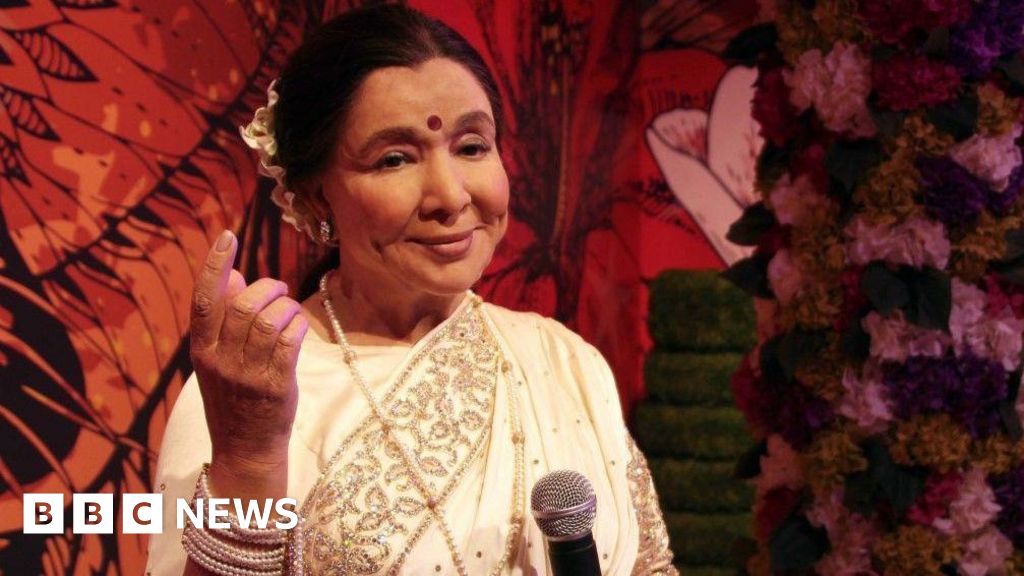
Over 12,000 recorded songs. A career spanning seven decades. A voice that defined the very soul of South Asian cinema. The news coming out of Mumbai today is more than just a headline; it is the end of a musical epoch that connected generations across the globe.
The Bottom Line
- Legendary playback singer Asha Bhosle has passed away at the age of 92 in a Mumbai hospital.
- The Guinness World Record holder was admitted following health complications, with her granddaughter Zanai Bhosle previously sharing that she was undergoing treatment.
- Her last rites are scheduled to be held at Shivaji Park in Mumbai tomorrow.
- Global figures, including Indian Prime Minister Narendra Modi, had expressed deep concern and are now leading the international tribute to her legacy.
Breaking It Down
The sequence of events leading to this somber moment began with the singer's hospitalization in Mumbai. Despite the best efforts of medical professionals and the watchful eye of her family, the news was confirmed today that the legendary artist had breathed her last. Her granddaughter, Zanai, had initially kept fans hopeful with updates that treatment was ongoing, but the 92-year-old icon ultimately succumbed to her ailments.
Asha's life was a masterclass in resilience and versatility. While her sister, the late Lata Mangeshkar, was known for a more ethereal, classical style, Asha was the life of the party. She broke barriers with her sultry cabaret numbers, soulful ghazals, and high-energy pop tracks. To say she was a versatile singer is an understatement; she was a sonic chameleon who could adapt to any mood a director demanded.
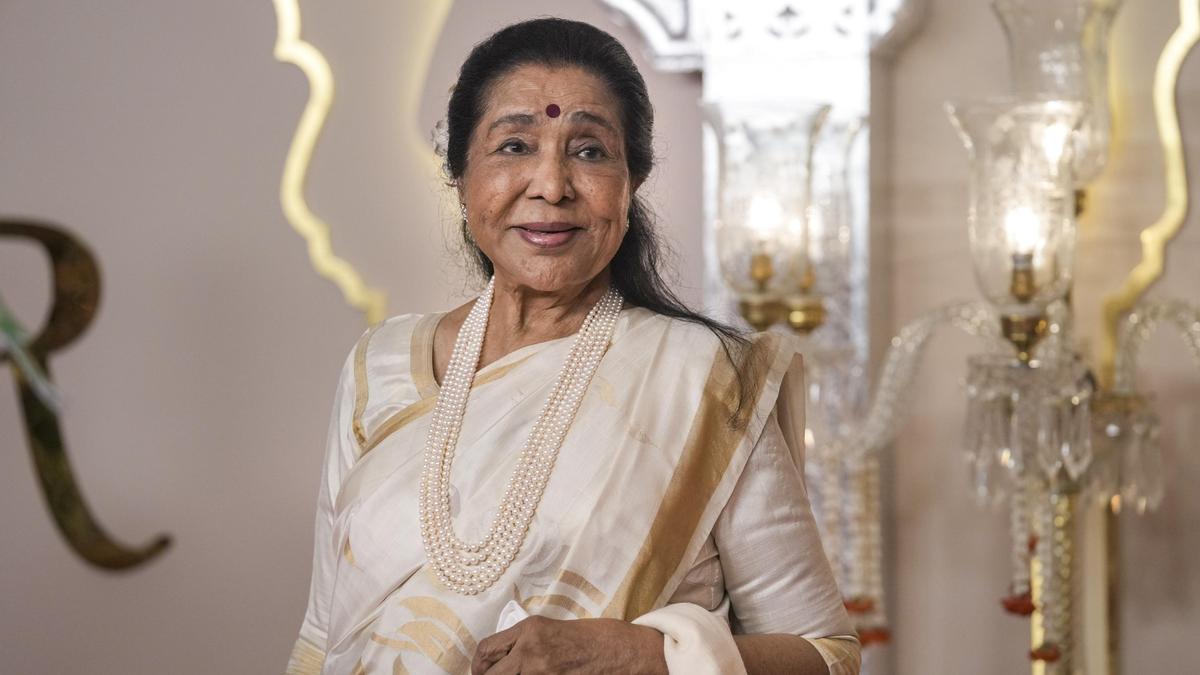
However, behind the glitz of the recording studio, her personal journey was marked by immense challenges. From navigating an abusive marriage to the tragic loss of her daughter, she carried a weight that few knew. This depth of personal experience often bled into her music, giving her voice a raw, emotional texture that resonated with millions who felt she was singing their own life stories.
Why This Matters
For the Indian-American community and the millions of South Asians in the US, Asha Bhosle wasn't just a singer; she was a cultural bridge. Whether it was playing her records in living rooms in New Jersey or hearing her hits at weddings in California, her music provided a sense of home. Her collaborations with Western artists like Boy George and The Black Eyed Peas even brought her voice into the mainstream American consciousness.
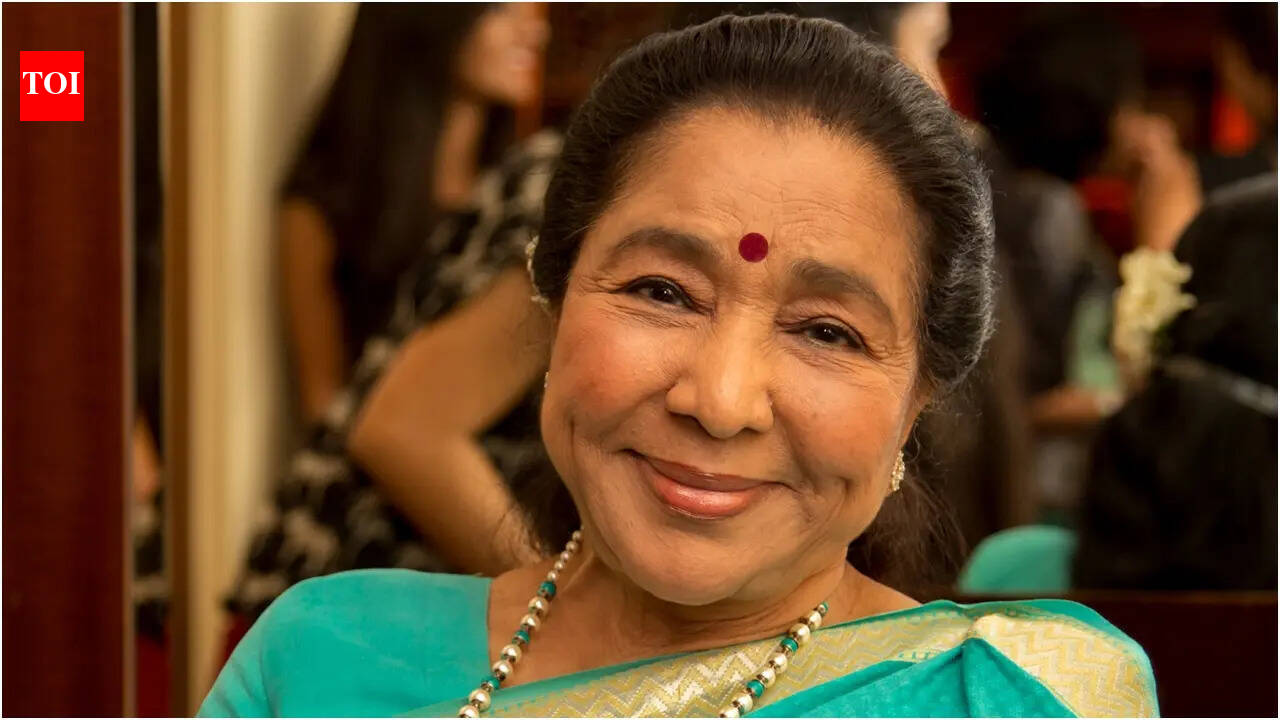
The void she leaves is massive. We are talking about the last of the 'Golden Age' titans.
This sentiment, shared by Haasan, reflects the immense stature Bhosle held. She was the gold standard, the North Star for every aspiring artist in the industry. Her passing marks a shift from a world where these legends were still among us to one where they live on solely through the digital archives and our memories.I was so so nervous singing in front of her.
What Comes Next
The city of Mumbai is preparing for a massive farewell. The funeral procession is expected to draw thousands of mourners to Shivaji Park tomorrow. Expect a state funeral or high-level security presence given the magnitude of her cultural impact. Moving forward, the industry will likely see a surge in tribute concerts and commemorative documentaries as the world attempts to catalog a career that spanned nearly a century.
FAQ
- What is a Playback Singer?
- A professional singer whose voice is pre-recorded for use in movies. The actors then lip-sync the lyrics on screen.
- Who was Asha Bhosle's famous sister?
- The late Lata Mangeshkar, another legendary singer who passed away in 2022.
Common Questions
When is Asha Bhosle's funeral?
The last rites are scheduled to be held tomorrow at Shivaji Park in Mumbai.
How many songs did she record?
She is recognized by the Guinness World Records for having recorded over 12,000 individual tracks.
What was her cause of death?
While an official medical report is pending, she had been hospitalized in Mumbai for age-related complications and ongoing treatment.

Resources
Sources and references cited in this article.