
The Manhattan sky hung heavy over the quiet home where the man who orchestrated the soundtrack of modern American life spent his final moments. Clive Davis, the legendary record executive whose uncanny instinct for talent launched the careers of iconic superstars and transformed the music business across six decades, died peacefully on Monday, June 22, 2026, at the age of 94. His long-time representative, Aliza Rabinoff, confirmed he passed away from an age-related illness surrounded by his family and loved ones, following a recent hospitalization for an upper respiratory infection.

How Events Unfolded
News of Davis’s passing prompted an immediate outpouring of grief and gratitude from the titans of rock, pop, and R&B whom he championed. Bruce Springsteen broke his silence on social media, recalling how Davis took a chance on him in the early 1970s. Springsteen shared that at 22 years old, Davis changed his life by signing him to Columbia Records, treating him with the exact same respect and kindness when he was a "nobody" as he did after finding worldwide success.
Barry Manilow, who secured one of his biggest early hits with the 1974 track "Mandy" because Davis insisted he record it, stated that their 50-year relationship extended far beyond the confines of ordinary corporate agreements. For half a century they worked, created, argued, and celebrated together, with Manilow noting that to Clive, the music business was never just business—it was always family. Meanwhile, guitar virtuoso Carlos Santana celebrated Davis’s unique ability to hear the intangible before anyone else could see it, thanking the mogul for believing in him at the start of his career and anchoring his historic 1999 comeback.
The family of the music mogul released a statement highlighting his dual legacy as a cultural force and a devoted family man. His children described him as the steady presence at the center of their lives, providing wisdom, strength, and unconditional love. Beyond his professional triumphs, Davis was a father to four children—Fred, Lauren, Mitch, and Doug—and a grandfather to eight grandchildren, all of whom noted that his family remained his deepest joy.
The Fine Print
Born in Brooklyn, New York, on April 4, 1932, Davis was raised in Crown Heights and overcame profound personal adversity early in life. Both of his parents died within 10 months of each other when he was just 18 years old. Facing severe financial precarity, Davis knew that if his academic grades slipped, he would lose the vital scholarships keeping him afloat. This high-stakes environment forged a relentless, lifetime work ethic. He graduated magna cum laude from New York University before earning a full scholarship to Harvard Law School, graduating in 1956.

Davis entered the music industry through the legal department, joining Columbia Records as assistant counsel in 1960. He rose through the executive ranks to become the label's president in 1967. At the time, Columbia was largely focused on middle-of-the-road pop, Broadway soundtracks, and classical records. A transformative trip to the Monterey International Pop Festival in June 1967 changed everything. Dressed in khakis and a tennis sweater among the colorful counterculture crowds, Davis recognized the commercial power of the burgeoning rock movement and pivoted the label into the modern era by signing Janis Joplin’s band, Big Brother and the Holding Company.
His historic run at Columbia ended abruptly in May 1973 when he was fired amid allegations of misappropriating $94,000 in corporate funds, which federal investigators claimed were used for personal expenses, including his son's bar mitzvah. Davis maintained the situation was a paranoid corporate witch-hunt, and he eventually pleaded guilty to a single count of tax evasion while all other charges were dropped. He rebounded spectacularly in 1974 by founding Arista Records, proving his initial success was no fluke.
The Response
Industry peers routinely marveled at Davis's uncanny ability to identify generation-defining voices. He was widely recognized for possessing a legendary "golden ear" for hit records, a skill he claimed to have stumbled upon by accident during his early days at Columbia. His executive style was famously hands-on, occasionally drawing complaints from performers like Barry Manilow and Melissa Manchester, who felt restricted because they were not initially allowed to sing their own compositions. Yet, his results remained undisputed.
His most profound professional partnership began in 1983 when he signed a 19-year-old Whitney Houston to Arista Records. Davis meticulously shepherded her career, overseeing seven multi-platinum albums, including the record-shattering 1992 soundtrack for The Bodyguard, which remained at No. 1 for 20 weeks and sold more than 16 million copies in the United States. In his 2013 memoir, The Soundtrack of My Life, Davis expressed deep sorrow regarding his inability to steer Houston away from the substance abuse issues that eventually led to her tragic death in 2012.
Singers who worked with him later in his career expressed profound admiration for his unwavering advocacy. Alicia Keys, whose multi-platinum 2001 debut album Songs in A Minor was launched under Davis's J Records imprint, recalled their very first meeting with fondness.
I'll never forget meeting Clive. I remember him being really appreciative and celebratory of the fact that I was my own artist. And I remember feeling so inspired.
Putting It in Perspective
Davis's influence extended far across the musical spectrum, creating ripple effects that shaped rock, pop, country, and hip-hop. He established joint ventures with L.A. Reid and Babyface to form LaFace Records—launching TLC and Toni Braxton—and partnered with Sean Combs to distribute Bad Boy Records, which brought The Notorious B.I.G. to the mainstream. His business acumen guided Carlos Santana’s 1999 album Supernatural to fifteen-time platinum status, sweeping 9 Grammy Awards in a single evening.
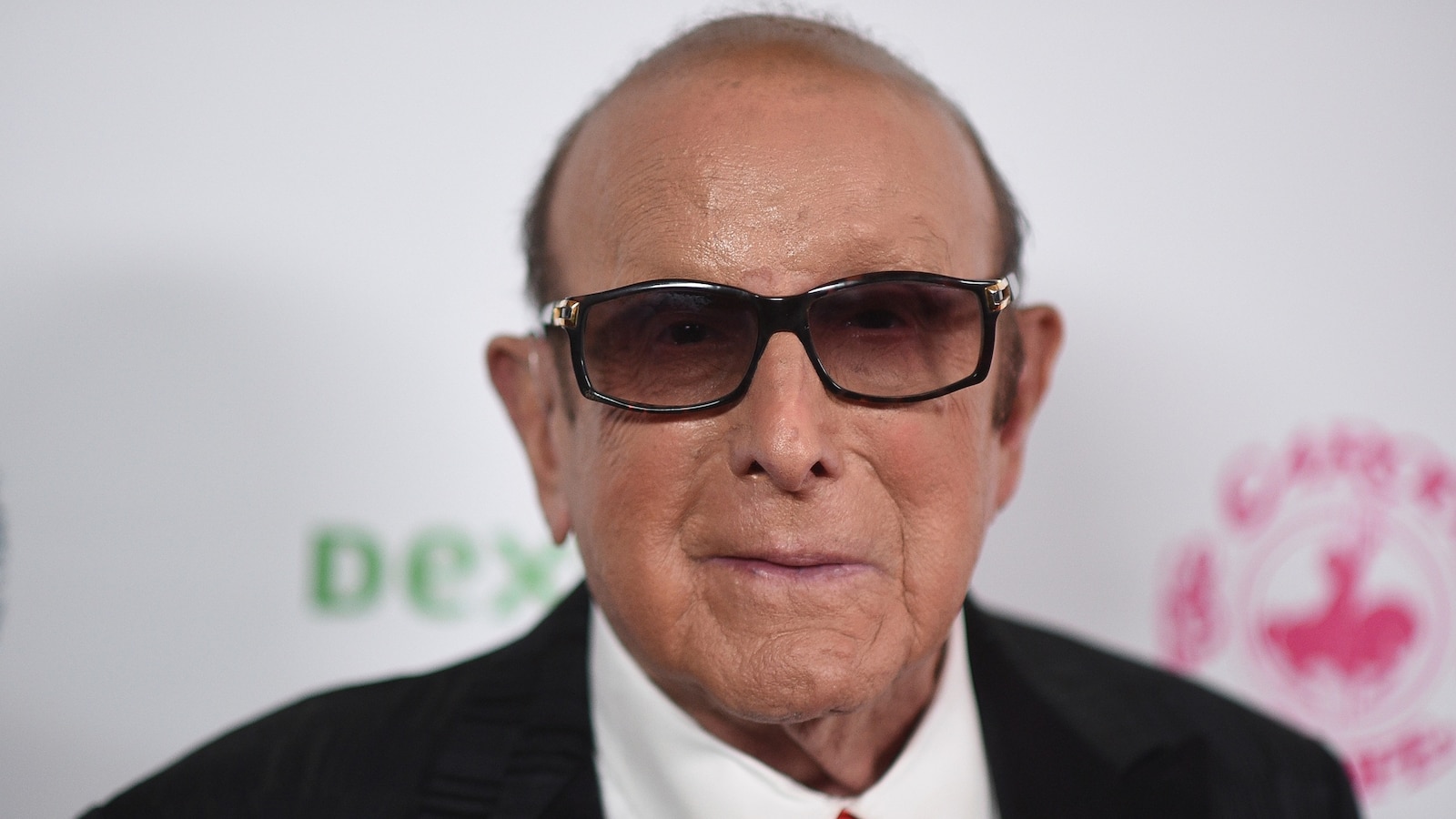
Later in his career, Davis partnered with the hit television series American Idol to oversee the recorded output of its breakout winners, including Kelly Clarkson and Jennifer Hudson. His annual pre-Grammy Gala, initiated in 1976, grew into the music industry's most exclusive social gathering, blending performances from emerging talents with audiences that included top political figures and Hollywood legends. To preserve his educational legacy, he founded the Clive Davis Institute of Recorded Music at New York University in 2003, creating a specialized academic environment that merged musical arts with formal business programs.
On a personal level, Davis made waves in 2013 by publicly coming out as bisexual in his autobiography, opening up a vital dialogue about an identity he described as frequently misunderstood. He was subsequently recognized as an LGBT History Month icon by the Equality Forum in 2015, reinforcing his status as a trailblazer both inside and outside the corporate boardroom.
Looking Ahead
While the physical presence of the industry titan is gone, several long-term creative projects will ensure his vision continues to reach audiences. Davis served as a producer on the biographical film I Wanna Dance With Somebody, documenting the life of Whitney Houston, and had been actively developing an eight-part documentary series focusing on the life of Aretha Franklin. His family confirmed that private funeral arrangements are underway, and details regarding a public memorial service to honor his extraordinary cultural contributions will be disclosed at a later date.
Frequently Asked Questions
What was Clive Davis's cause of death?
Clive Davis passed away peacefully at his Manhattan home due to an age-related illness. His representative confirmed that he was surrounded by his family and had recently been treated for an upper respiratory infection.Which famous musical artists did Clive Davis discover or sign?
Throughout his extensive career, Clive Davis signed or mentored an array of legendary talent. His notable signings included Bruce Springsteen, Whitney Houston, Janis Joplin, Santana, Alicia Keys, Barry Manilow, Billy Joel, Aerosmith, and Pink Floyd.What labels did Clive Davis run during his career?
Davis served as the president of Columbia Records before founding Arista Records in 1974 and J Records in 2000. He later held high-level executive positions at BMG North America and served as the chief creative officer for Sony Music Entertainment.Did Clive Davis win any Grammy Awards?
Yes, Clive Davis won five Grammy Awards throughout his career. This total included prestigious industry accolades such as the Recording Academy's Trustees Award in 2000 and the President's Merit Award in 2009.
What is the Clive Davis Institute of Recorded Music?
Founded by Davis in 2003 at New York University's Tisch School of the Arts, the institute was one of the first academic programs to fully integrate professional business training with creative music production studies.