
For US Disney+ subscribers, the question is no longer just what arrives on the app next. The Mandalorian and Grogu has turned one of streaming's signature franchises into a theatrical test case, moving a Disney+ original property from home screens to movie theaters. That shift matters because it could influence how Disney treats future Star Wars, Marvel, and other franchise releases.
Setting the Scene
Disney+ launched in 2019 with The Mandalorian as one of its defining originals. The live-action Star Wars series helped prove that a streaming platform could deliver large-scale franchise storytelling that once seemed reserved for theaters.
Since then, Star Wars has built a large streaming footprint through shows including The Book of Boba Fett, Ahsoka, Skeleton Crew, The Acolyte, and Andor. Comic Book Resources described The Mandalorian and Grogu as the first theatrical release spun off from a Disney+ original series, making it more than another Star Wars title.
The move also reflects pressure on streaming economics. The source article notes that television shows have become expensive to make while still struggling to earn money in the same way theatrical films can. That is the business tension behind Disney's experiment: premium streaming brands may need theaters again.
Here's What Happened
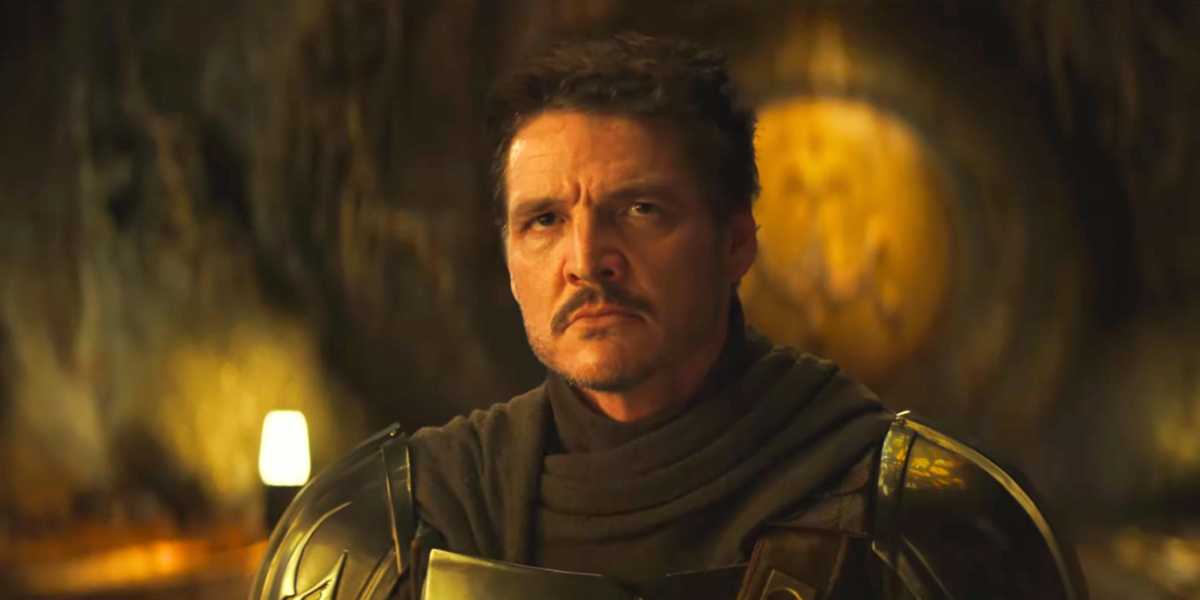
The Mandalorian and Grogu opened in theaters on May 20, 2026, with a runtime of 132 minutes. Directed by Jon Favreau and written by Noah Kloor, the film stars Pedro Pascal as The Mandalorian and includes Jeremy Allen White as the voice of Rotta.
But the theatrical test has not been easy. According to CBR, the film earned a little under $300 million worldwide while carrying a reported $165 million production budget. The same report says most films need roughly two to two-and-a-half times their production budgets to break even, which explains why that global total is being framed as disappointing rather than automatically successful.
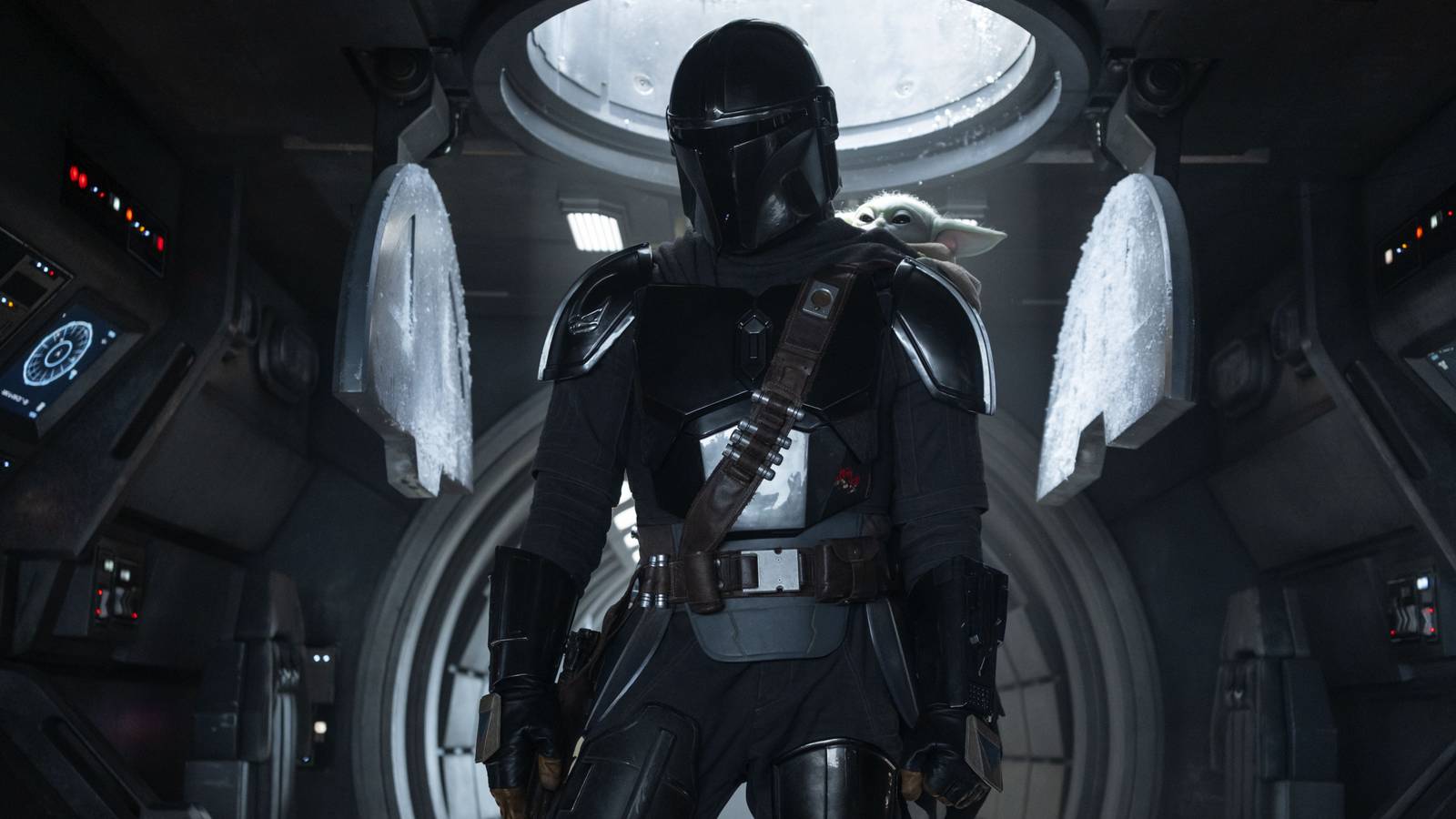
The underperformance is especially notable because this is the first Star Wars theatrical release since The Rise of Skywalker. CBR also reported that the film had a mediocre opening weekend followed by the biggest second-weekend dropoff for any Star Wars film in 49 years.
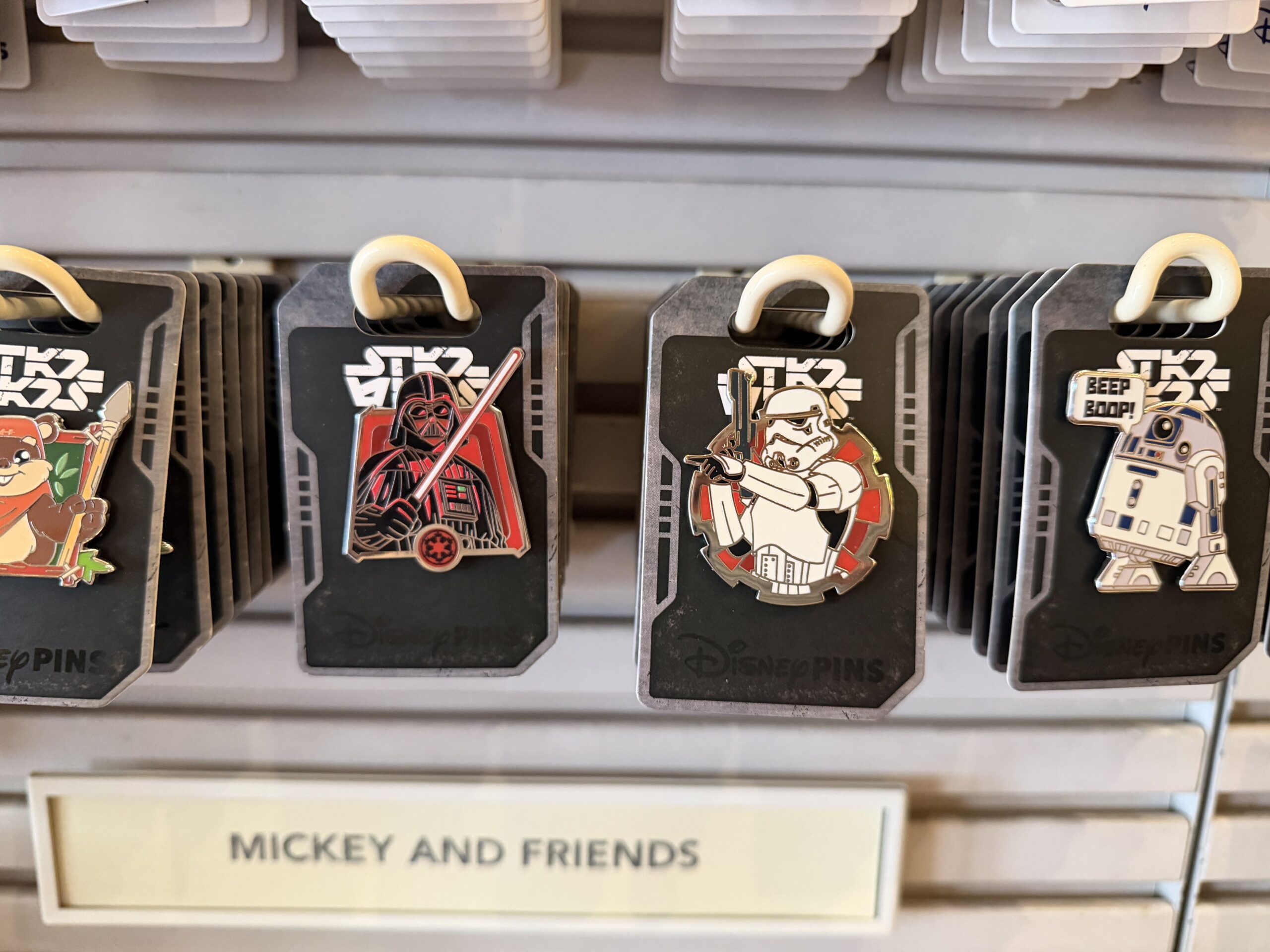
At the same time, the Star Wars brand is still active on the retail side. At Disneyland Resort, WDW News Today reported that some open-edition Star Wars pins received redesigned card backings at the 20th Century Music Company shop on Main Street, U.S.A. Inside the Magic later described the same rollout, noting that the new cards are mostly black with a white Star Wars logo and gray geometric accents.
Reactions & Responses
The clearest reaction in the provided reporting is not a quote from Disney, but the way entertainment outlets are reading the film's performance. CBR presents the movie as both a milestone for Disney+ and a possible warning sign for future streaming-to-theater strategies.
Inside the Magic reported that not all Star Wars pins at Disneyland Resort have the new backing yet, and many still use the older plain white cardboard with the blue Disney Pins logo. That matters to collectors because customized backing cards often suggest limited-edition or limited-release items, but the report says these Stormtrooper, Darth Vader, R2-D2, Mandalorian, and Ewok pins are open editions.
For Disney fans, the merchandising update is a reminder that Star Wars is not judged only by box office. Grogu remains a major merchandise driver, and CBR notes that Star Wars has long benefited from selling products tied to its films.
The Bigger Picture
The central question is whether Disney+ originals can become theatrical engines, not just streaming retention tools. If a title born on streaming struggles in theaters, Disney may be more cautious about sending similar projects to the big screen.
There is also a creative shift underway. Comicbook.com argued that The Mandalorian and Grogu breaks from a long-running Star Wars movie pattern by moving away from major Original Trilogy figures such as Luke Skywalker, Han Solo, Princess Leia, and Darth Vader. That is a significant direction for a franchise that has often returned to its best-known characters.
Inside the Magic reported that Star Wars: Starfighter is set as a standalone adventure five years after The Rise of Skywalker, with a theatrical release listed for May 28, 2027. The same report names Shawn Levy as director and Ryan Gosling among the cast, alongside Flynn Gray, Matt Smith, Mia Goth, Aaron Pierre, Simon Bird, Jamael Westman, Daniel Ings, and Amy Adams.
The Road Ahead
The Mandalorian and Grogu is still playing in theaters, so its final commercial picture depends on the rest of its run and later revenue windows. Based on the provided reporting, its performance has already become a case study in how difficult it is to convert streaming loyalty into box-office momentum.
Disney's next confirmed big-screen Star Wars move is Star Wars: Starfighter in 2027. For US viewers, that means the next stage of the franchise may depend less on Disney+ alone and more on whether audiences show up for Star Wars as a theatrical event again.
FAQ
Is The Mandalorian and Grogu a Disney+ movie?
The Mandalorian and Grogu is a theatrical film spun off from The Mandalorian, a Disney+ original series. CBR describes it as the first theatrical release based on a Disney+ original series.
How much has The Mandalorian and Grogu made at the box office?
CBR reported that the film had earned a little under $300 million worldwide against a reported $165 million production budget.
When did The Mandalorian and Grogu release in theaters?
The film's release date is listed as May 20, 2026, with a runtime of 132 minutes.
What changed with Star Wars pins at Disneyland Resort?
Some open-edition Star Wars pins at Disneyland Resort now have black themed backing cards with gray geometric accents and a white Star Wars logo.
When is Star Wars: Starfighter scheduled to release?
Inside the Magic reported that Star Wars: Starfighter is scheduled for worldwide release on May 28, 2027.