
Inside a dimly lit screening room, the faces of tech billionaires flicker across the screen, their expressions caught somewhere between messianic zeal and visible discomfort. As the credits roll on The AI Doc, the silence in the theater is heavy with the realization that the software in our pockets is evolving faster than our ability to regulate it. This week's nationwide release has transformed a technical debate into a mainstream cultural reckoning, forcing everyday Americans to ask: who is actually in the driver's seat?

How Events Unfolded
The film, officially titled The AI Doc: Or How I Became an Apocaloptimist, made its splashy debut this weekend across specialty theaters, quickly becoming the most talked-about documentary of the year. It isn't just a collection of talking heads; it’s an aggressive deep dive into the boardrooms of the 'Magnificent Seven'—the tech giants currently dictating the pace of global innovation. The filmmakers spent months chasing down CEOs, many of whom are seen on camera struggling to answer basic questions about safety and long-term consequences.
What started as an indie project has ballooned into a national conversation. From Oprah discussing the intentionality behind the tech to Fox News calling it a 'timely crash course,' the film has bridged the partisan divide. It’s rare to see such a unified front in media, but the consensus is clear: the public is finally waking up to the scale of the change at hand.
The documentary specifically highlights the moral quandaries facing leaders like Sam Altman and Demis Hassabis. In one of the more chilling segments, these industry titans are asked whether they would recommend having children in a world where AI might surpass human cognition. The answers are far from reassuring, reflecting a deep-seated uncertainty even at the highest levels of Silicon Valley.
Digging Deeper
Why is this happening now? For years, the AI industry has operated in a sort of 'wild west' environment, fueled by massive venture capital and a 'move fast and break things' ethos. However, the recent humbling of Big Tech stocks and growing public anxiety have created a perfect storm for this film's release. The director has gone as far as to suggest that parts of the AI economy are 'propped up by a Ponzi scheme,' relying on ever-increasing hype to justify valuations that don't always match the current utility of the tools.

The film argues that we have reached a point of no return. This isn't like the introduction of the internet or the smartphone; this is the first time we are building something that can think for itself. Historically, humans have always been the smartest 'thing' on the planet. This documentary explores the psychological and economic fallout of losing that title. For people in the US, this means job markets that could shift overnight and a digital landscape where truth becomes increasingly difficult to verify.
What People Are Saying
The voices in the film range from tech-utopians to those sounding the alarm. The filmmakers emphasize that while there are incredible benefits to be had, the lack of a 'kill switch' is a fundamental flaw in the current development path.
There probably isn’t an off switch. We are building a god, and we haven’t checked if it likes us yet.
Critics have noted that while the film puts CEOs in the hot seat, it occasionally goes easy on the systemic issues that allow such power to be concentrated in so few hands. However, the sheer access the film provides is unprecedented. Seeing these leaders lose their composure provides a humanizing—and slightly terrifying—look at the people building our future.
Putting It in Perspective
The ripple effects of the 'AI Doc' are already being felt in Washington. Lawmakers are facing renewed pressure to move beyond toothless 'voluntary commitments' from tech companies. The film vividly illustrates how AI isn't just about chatbots; it's about the automation of labor, the manipulation of elections, and the redefining of human purpose. If the 'Magnificent Seven' are being humbled, as recent financial reports suggest, it’s because the public is starting to demand accountability over shiny new features.
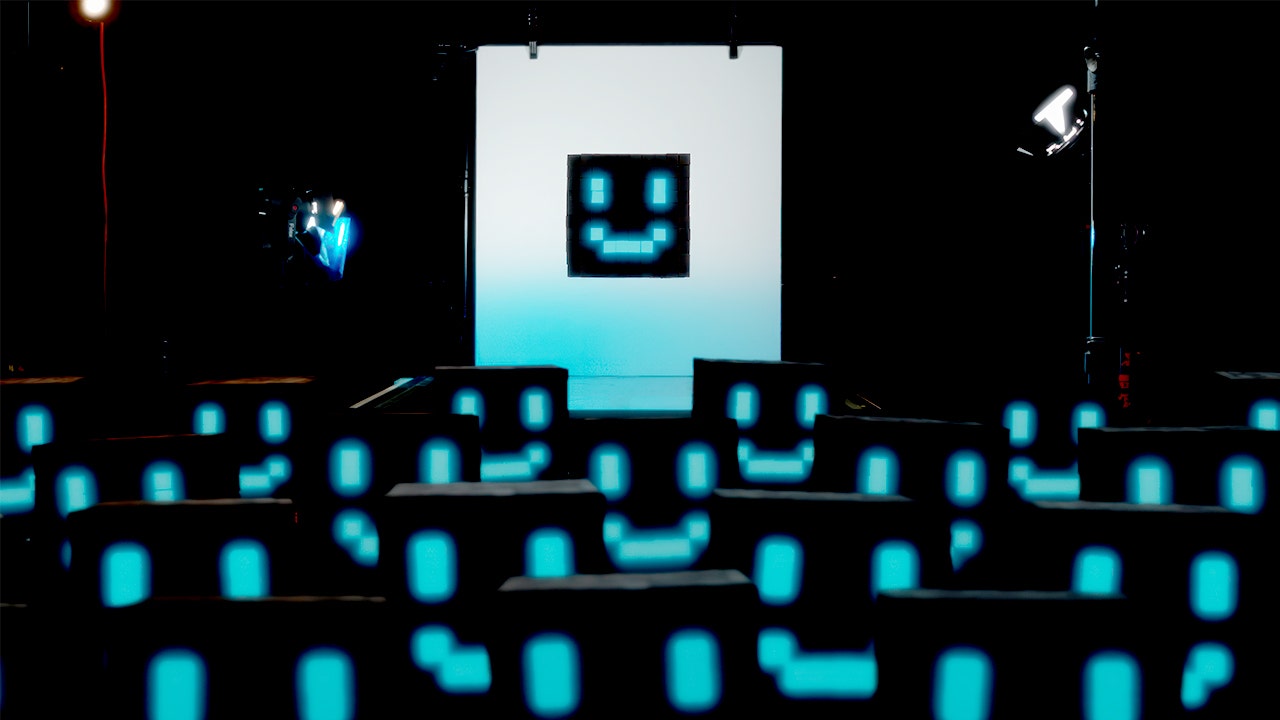
For the average American, this means the 'AI talk' is no longer just for software engineers. It’s for parents, teachers, and workers in every sector. The film makes a compelling case that our current trajectory is not set in stone, but changing it requires a level of public engagement we haven't seen in the tech sector before. We are at a crossroads where human agency must be reasserted.
Looking Ahead
With the film now playing in major cities, a series of town halls and legislative hearings are expected to follow. Several advocacy groups have already cited the documentary as a catalyst for new proposed 'AI Rights' bills. While the 'Magnificent Seven' continue their race for AGI (Artificial General Intelligence), the public's appetite for oversight has never been higher. The next few months will likely see a surge in demand for transparent AI development and more rigorous testing before these models are integrated into critical infrastructure.
Frequently Asked Questions
Is The AI Doc a horror movie?
While it features some alarming projections about the future of tech, it is a factual documentary. It has been described as 'scary and essential' because it deals with real-world risks, but it also highlights the potential for 'apocaloptimism'—finding hope in our ability to guide the technology.
Where can I watch the documentary?
The film is currently in a limited theatrical release in major US cities and is expected to hit major streaming platforms by late spring. Check local listings for 'Specialty Preview' screenings.
Does the film offer solutions to AI risks?
Rather than offering a single fix, the film emphasizes the need for collective action, public education, and government regulation to ensure that AI serves humanity rather than the other way around.
Who are the 'Magnificent Seven' mentioned in the film?
This refers to the group of dominant US tech companies—including NVIDIA, Microsoft, Alphabet, and Meta—that are leading the AI race and currently hold significant influence over the global economy.