
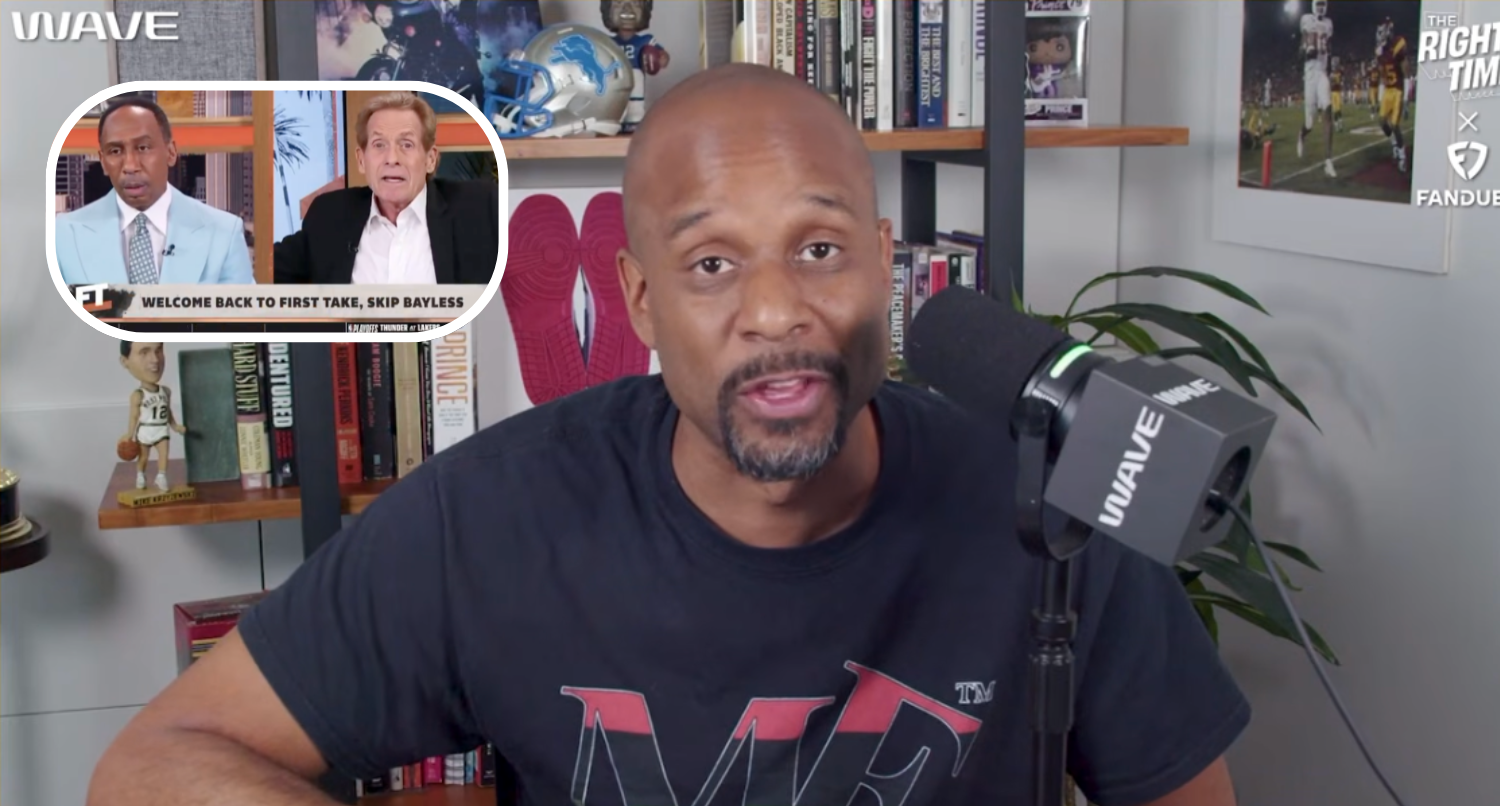
Skip Bayless and Stephen A. Smith reunited on ESPN's 'First Take' this week, bringing one of sports television's most recognizable — and polarizing — partnerships back into the spotlight. The one-time appearance instantly reignited old debates about hot-take culture, LeBron James criticism, and whether sports media is leaning even harder into personality-driven television.
For longtime viewers, the reunion felt like a throwback. For younger fans who mostly know sports debate shows through social clips and viral moments, it became something else entirely: a reminder of how much Bayless helped shape the modern sports-media ecosystem.

The Full Story
ESPN announced the reunion as a special one-time episode of 'First Take,' the show Bayless helped launch into a ratings powerhouse during the early 2010s. The chemistry between Bayless and Stephen A. Smith was immediate. Loud. Fast. Familiar. If you watched sports television during that era, you probably knew exactly where the conversation was headed within minutes.
And sure enough, LeBron James became the center of attention again. Bayless returned to one of the defining themes of his career: criticizing LeBron's legacy, leadership, and late-game performances. Social media reacted almost instantly, with clips spreading across TikTok, X, Instagram, and YouTube within hours.
What's interesting is how divided the reaction became. Some viewers loved the nostalgia and called it appointment television. Others argued the format represents everything exhausting about modern sports media: constant conflict, exaggerated opinions, and endless player feuds designed for clicks.
Meanwhile, sports-media personalities weighed in on the broader impact of debate television itself. Discussions around Bayless often drift into larger conversations about audience behavior, algorithm-driven content, and why confrontation performs so well online. The old formula still prints money, as one producer privately described it this week.
If you're following the business side of sports media, there's another layer here too. Bayless left FS1 after years of leading 'Undisputed,' while ESPN continues reshaping its studio lineup around recognizable personalities and viral reach. The reunion wasn't just nostalgia. It was also a ratings experiment.
The Main Players
Skip Bayless remains one of the most influential and controversial figures in sports debate television. His career stretches from newspaper reporting into cable TV dominance, where his aggressive opinion style helped redefine sports commentary.
Stephen A. Smith, now arguably ESPN's biggest on-air personality, built much of his national profile alongside Bayless. Their original 'First Take' run transformed the program from a struggling morning show into a major sports-media brand.
LeBron James once again became central to the conversation despite not participating directly. Bayless' long-running criticism of James has become one of the most recognizable rivalries in sports media culture.
- Hot-take television
- A style of sports broadcasting built around strong opinions, emotional arguments, and viral debate segments.
- Sports media ecosystem
- The network of TV shows, podcasts, social platforms, and digital outlets shaping modern sports conversations.
- Appointment television
- Programming viewers feel compelled to watch live rather than catching highlights later.
Key Statistics
More than a decade after their original run together, Bayless and Smith still generated massive online engagement within hours of reuniting.
- 2012-2016: Peak era of Bayless and Smith on 'First Take'
- Millions of social views: Clips from the reunion spread rapidly across platforms
- One-time special: ESPN framed the appearance as a limited reunion event
That matters because sports networks increasingly measure success beyond traditional TV ratings. Viral clips, trending topics, and social engagement now carry real business value.
What This Means
The reunion says a lot about where sports media stands in 2026. Networks know audiences still respond to familiar personalities, especially when conflict and nostalgia collide. That's why old-school debate formats keep resurfacing even as podcasts and creator-driven sports content continue growing.
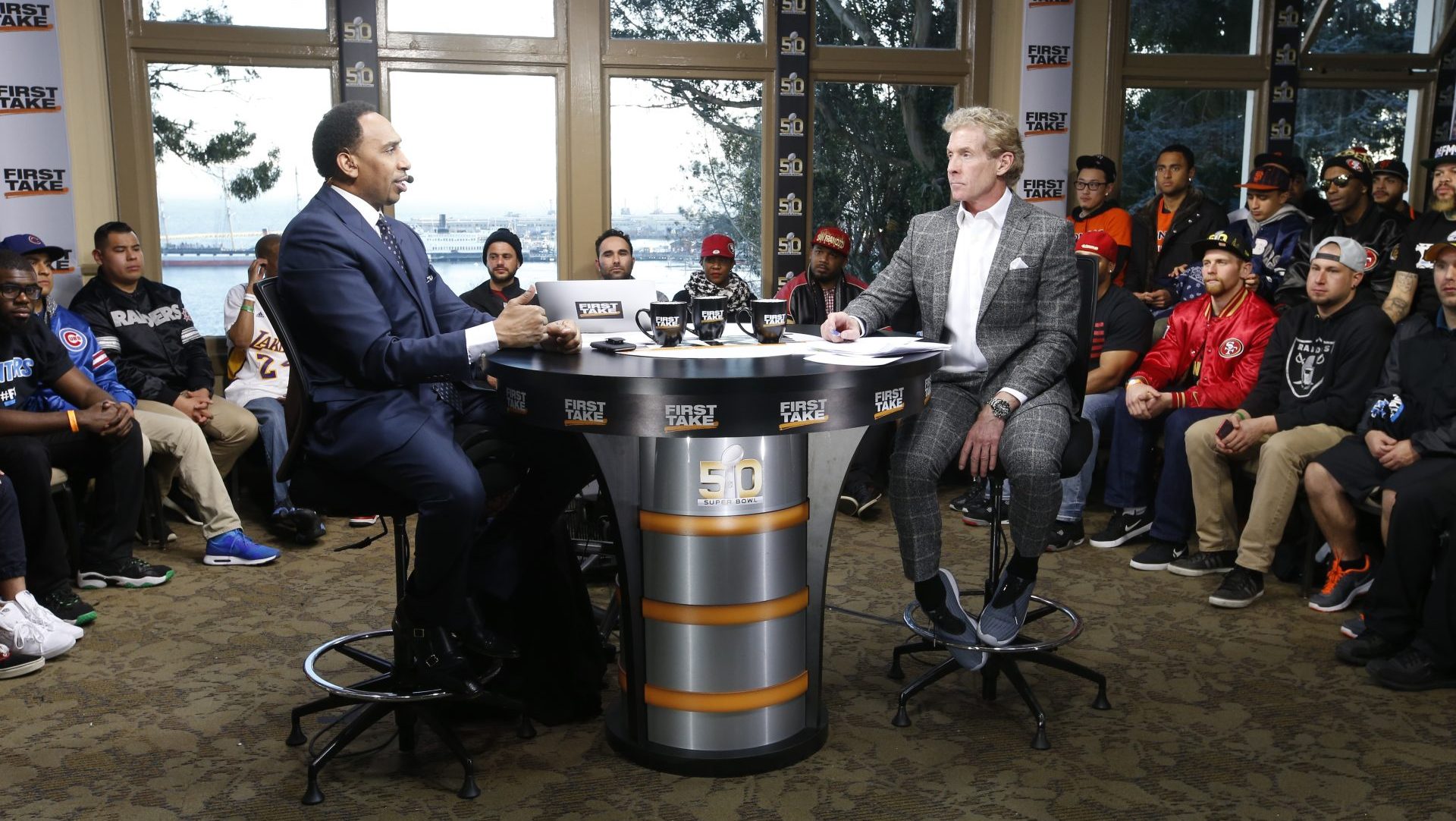
For viewers in the US, the bigger question may be whether sports discussion has become too personality-centered. Some fans miss detailed analysis and game breakdowns. Others just want entertaining television. That's the million-dollar question hanging over every studio show right now.
There's also speculation about what comes next. Could Shannon Sharpe eventually reconnect with ESPN more prominently? Could Bayless appear again? Nobody's confirmed anything publicly, but the buzz alone shows how valuable these personalities remain.
What to Expect
ESPN has not announced additional appearances from Bayless beyond the reunion episode. Still, executives will almost certainly study audience numbers, social engagement, and streaming performance from the broadcast.
Fans should also expect more online debates around sports-media culture itself. The reunion reopened conversations about whether loud opinion-driven formats still dominate because audiences genuinely love them — or because algorithms reward outrage and conflict.
FAQ
Why did Skip Bayless return to ESPN?
Bayless returned for a special one-time reunion episode of 'First Take' with Stephen A. Smith.
Did Skip Bayless criticize LeBron James again?
Yes. LeBron quickly became part of the debate, continuing a long-running dynamic between Bayless and the NBA superstar.
Will Skip Bayless return to ESPN permanently?
There is no confirmed long-term ESPN deal for Bayless at this time.
Why was the reunion trending online?
The pairing of Bayless and Stephen A. Smith carries strong nostalgia for sports fans and generates major social-media engagement.
What made First Take so popular originally?
The show's fast-paced debates, strong personalities, and viral sports arguments helped turn it into a major ESPN franchise.