
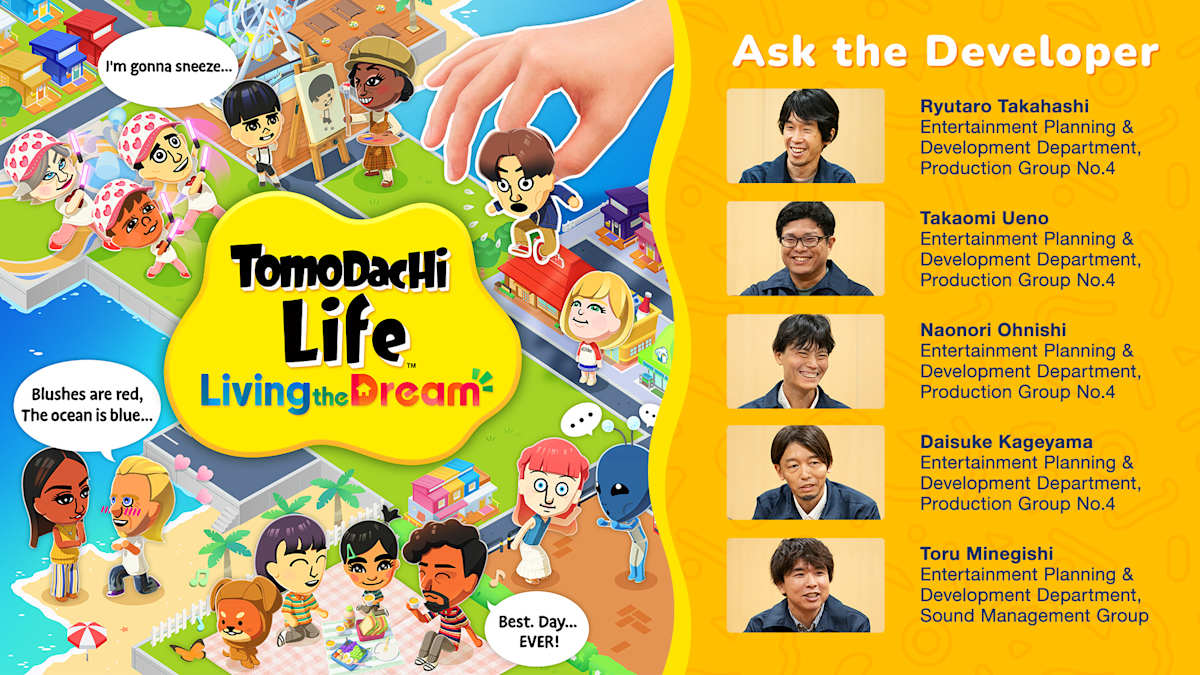
The island looks cheerful at first glance—bright skies, quirky residents, and a soundtrack that hums like a Saturday morning cartoon. But spend five minutes in Tomodachi Life: Living the Dream, and things get... strange. Really strange. Nintendo’s latest entry isn’t just a sequel—it’s a full-blown experiment in controlled chaos, and somehow, it works.
Released as a modern follow-up to the cult-favorite 3DS title, the game blends life simulation with unpredictable AI-driven behavior. Early reviews paint a clear picture: it’s messy, hilarious, and unlike anything else on the Switch right now.

How Events Unfolded
Development didn’t come easy. According to Nintendo’s developer interview, the team spent years refining how Miis behave. Not months—years. In fact, one engineer admitted the system took “six or seven years” to stabilize.
That timeline shows. Characters don’t just follow scripts—they react, improvise, and occasionally spiral into bizarre scenarios. You might see a Mii confess love in one moment… then start rapping about pizza in the next. It’s unpredictable, but not random. There’s logic under the hood—just hidden beneath layers of absurdity.
Meanwhile, critics across major outlets have landed on a similar takeaway: this is not your typical cozy sim. It’s closer to a social sandbox where you play observer, meddler, and sometimes accidental instigator.
And yes, it leans into chaos. At one point during development, the team even considered keeping the system intentionally unstable because, as they put it, “it felt funnier that way.”
Under the Surface
So why does this work now? Timing matters. Life sims have exploded in popularity over the last few years, from Animal Crossing to The Sims. But most of them focus on control—building, designing, optimizing.
Tomodachi Life flips that idea. You don’t control everything. You influence it.
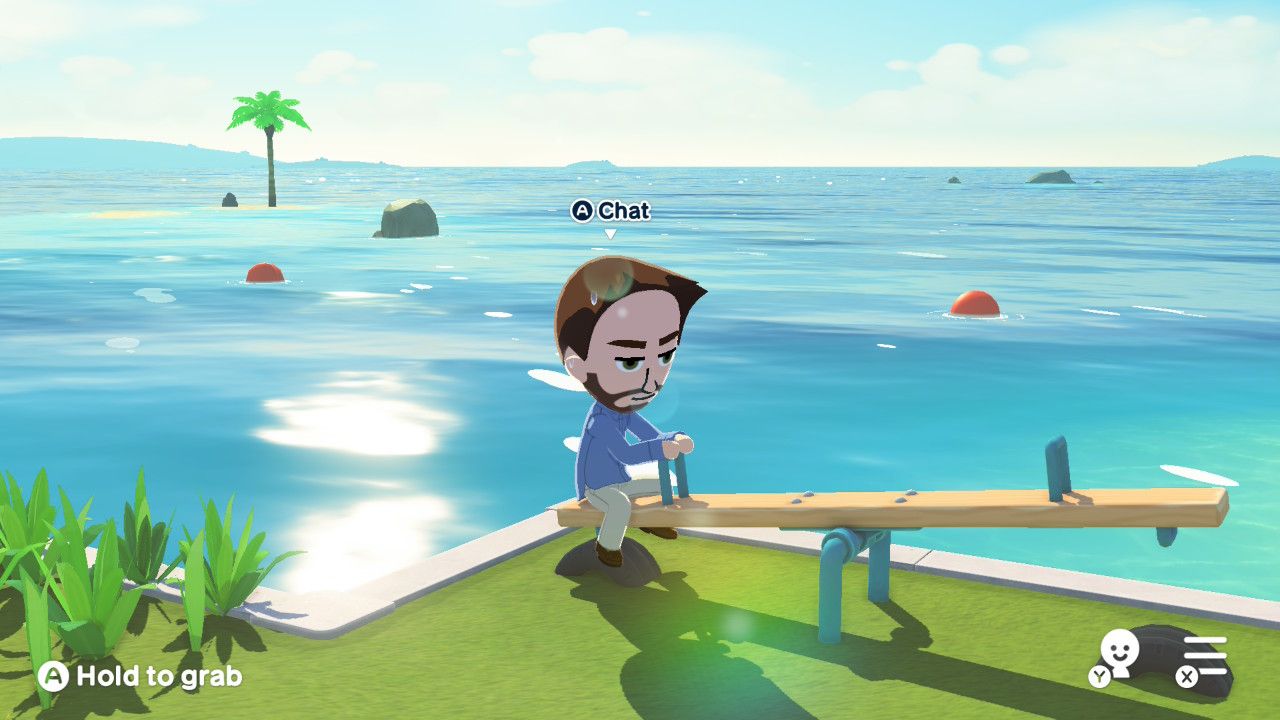
That difference is key. In an era where players are used to micromanaging every detail, this game asks you to let go. It’s less about winning and more about watching what unfolds. Think of it as a digital ant farm—but with karaoke battles and existential crises.
There’s also a social angle. Players are already sharing their strangest Mii creations online, from celebrities to pure nightmare fuel. Even though Nintendo hasn’t fully embraced online sharing features, the community is finding ways around it. Where there’s a will, there’s a way.
Voices & Opinions
“The Mii programming was pure chaos and really hard to manage during development.”
“It feels like living alongside a bunch of unpredictable personalities rather than controlling them.”
Reviewers have been quick to highlight the game’s personality. Some call it refreshing. Others call it confusing. But almost everyone agrees—it’s memorable.
That’s rare. In a market crowded with polished but familiar titles, Tomodachi Life stands out by embracing its weirdness. Love it or hate it, you won’t forget it.
Putting It in Perspective
For U.S. players, this hits a specific nerve. Life sims here tend to lean toward customization and control—building the perfect home, the perfect routine. This game? It throws perfection out the window.
Instead, it reflects something closer to real life: messy, unpredictable, occasionally hilarious. That’s part of the appeal. And it’s why streamers and content creators are already jumping in.

There’s also a broader trend here. Games that prioritize emergent behavior—where systems interact in unexpected ways—are gaining traction. Think of titles like RimWorld or even certain sandbox survival games. Tomodachi Life brings that philosophy into a more accessible, family-friendly space.
Looking Ahead
What’s next? Nintendo hasn’t detailed major updates yet, but the foundation is there. With a system this flexible, even small tweaks could create entirely new experiences.
And if player sharing continues to grow—officially or not—this could evolve into one of the most community-driven games on the platform.
For now, one thing’s clear: Nintendo didn’t play it safe. And that gamble might just pay off.
FAQ
What is Tomodachi Life: Living the Dream?
It’s a life simulation game where Mii characters interact in unpredictable, often humorous ways.
Is it similar to Animal Crossing?
Only loosely. This game focuses more on character behavior than building or decorating.
Can you control everything in the game?
No. You guide events, but much of the behavior is AI-driven.
Why did development take so long?
The Mii interaction system required years of fine-tuning to balance unpredictability and logic.
Is it popular in the U.S.?
Early signs show strong interest, especially among streamers and social media creators.
Does it support online sharing?
Not fully, but players are already finding creative ways to share their experiences.