
Veteran MMO designer Raph Koster is preparing Stars Reach, Playable Worlds' sci-fi sandbox MMO, for Steam early access in summer 2026. The game is pitching planets where weather, geology, wildlife, cities, economies, and governments can change because of what players do.
The Full Story
Koster has been chasing this idea for decades. He told Polygon's Stars Reach preview that he first pitched a version of the concept as a follow-up to Ultima Online in the late 1990s. His argument is that modern computing and cloud infrastructure have finally made the simulation possible at a scale his earlier projects could not support.
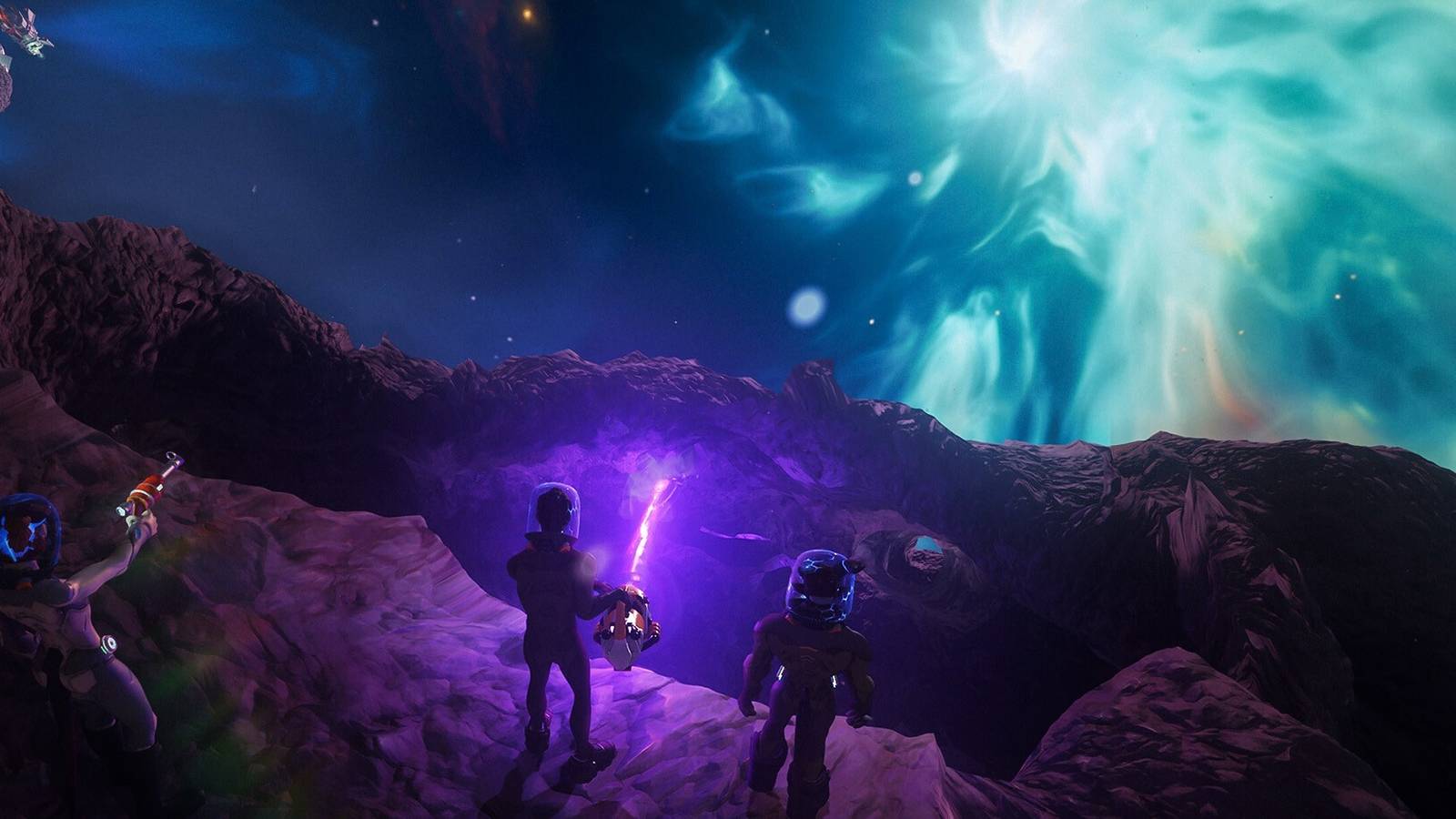
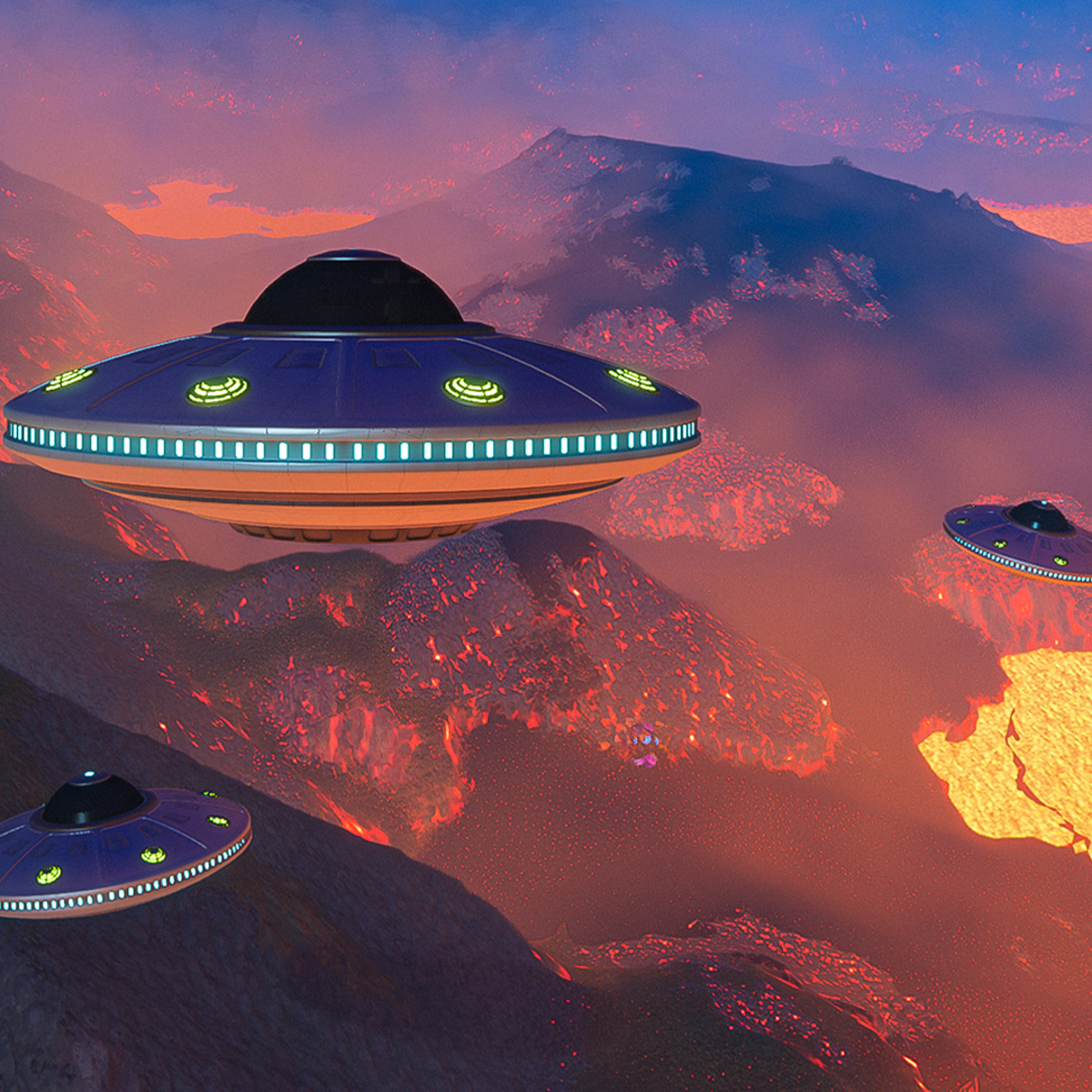
Players can explore, fight creatures, craft, build, trade, and form communities. Underneath, every cubic meter of a planet carries properties such as temperature, humidity, and geology. Rain can pool into rivers, lakes can freeze, forests can spread or burn, and overmining can collapse cave ceilings. Another preview reported more than 200 types of rock, with materials able to melt, flow, cool, and transform.
The simulation is meant to create consequences rather than scripted set pieces. A river redirected into a desert can change humidity and help plants grow. A fountain once flooded a player city because packed-earth basement walls turned to mud and collapsed. A meteor can tear open terrain, while a time-manipulation tool can age materials into different states. Koster described the technical model to Rock Paper Shotgun as one algorithm running across the whole world.
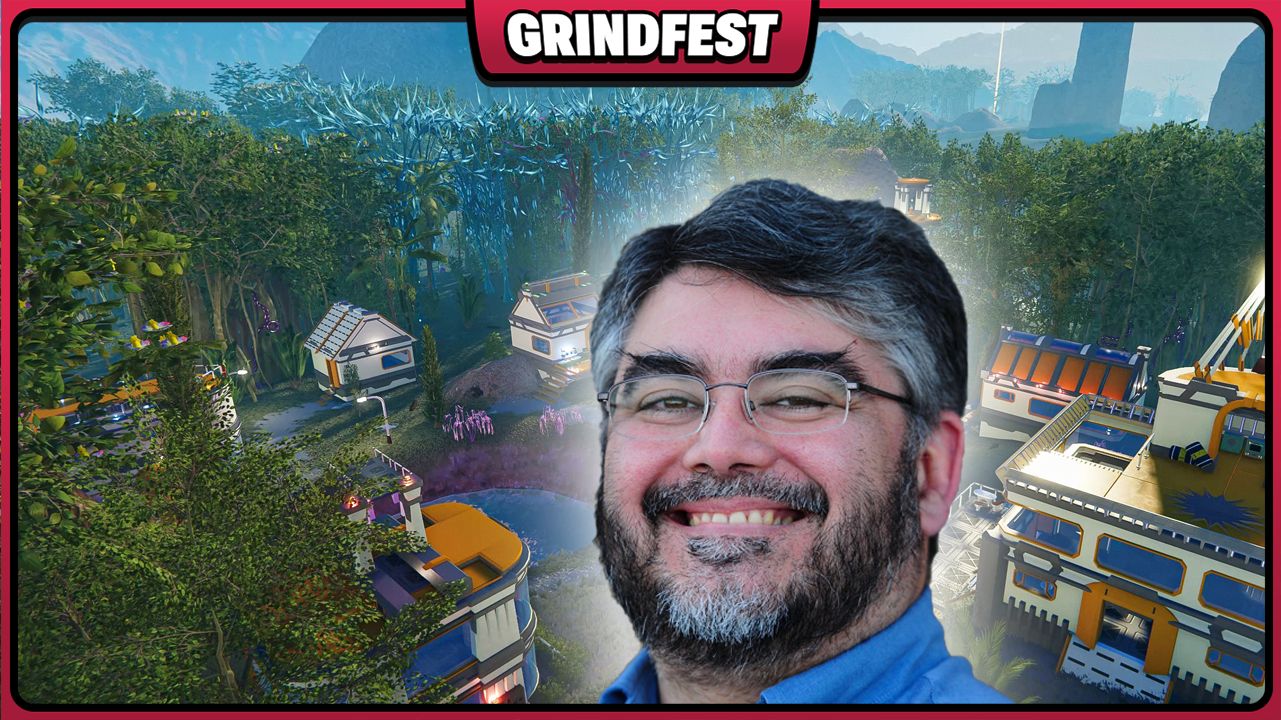
The social systems are just as central. Players can build towns, elect leaders, zone public parks, set local rules, and decide how resources are managed. One settlement shown to Polygon had 78 citizens and an elected mayor. The game is PvE-first, with open-world PvP heavily restricted and optional, while a faction system is planned for after launch.
- Sandbox MMO
- An online world where players are given systems and tools instead of a tightly prescribed path.
- Terraforming
- Changing a planet's terrain, water, climate, or ecology through player actions.
- Cellular automata
- A simulation method where small cells follow rules that create larger environmental behavior.
Who's Involved
Raph Koster is the central figure behind the project. His career includes Ultima Online, Star Wars Galaxies, MUDs, and EverQuest 2, and he now leads the vision at Playable Worlds. He frames Stars Reach as a return to the idea of MMOs as places where many kinds of play can happen, rather than a single loop built around raids and repeated progression.
This is the game I have wanted to make for 30 years.
Playable Worlds is building the game and its simulation, while early testers are already forming communities around conservation, construction, and experimentation. The project plans 40 professions, covering fields such as business, cooking, crafting, leadership, medicine, mineralogy, vehicles, and xenobiology.
By the Numbers
Stars Reach spans thousands of planets connected by wormholes, and zones can disappear or be added as the universe changes. In one instanced area described by Koster, the landscape was being handled by 270 million individual AI agents — not generative AI systems, but small programs applying simulation rules to pieces of the environment multiple times per second.
The project also points to more than 200 rock types, 40 planned professions, and a town with 78 citizens electing its own mayor. Together, those figures show how the game is trying to make specialization and community dependence part of the experience.
What This Means
Stars Reach is taking aim at a basic MMO problem: can an online world still surprise players after guides, optimized builds, and familiar progression loops take over? Koster's answer is to make the environment unpredictable but rule-based. Players may learn how systems work, yet they still have to deal with consequences created by weather, geology, wildlife, and other people.
For US PC players, the immediate relevance is straightforward: this is a high-profile attempt to revive the older sandbox tradition without copying World of Warcraft's structure. The risk is equally clear from the previews. The game is still in alpha, some content is missing, placeholders remain, and early access is not being presented as a polished launch.
What to Expect
Stars Reach is planned to enter Steam early access in summer 2026, but no specific date has been announced. The developers say they want the core features to reach a sufficient level of fun before opening the servers to more players.
Early access will still be an unfinished alpha. Some professions and other content will be absent, placeholders will remain, and the post-launch faction system is not part of the PvE-first launch setup.
FAQ
When does Stars Reach enter early access?
Stars Reach is planned for Steam early access in summer 2026. The developers have not announced a specific launch date.
Who is making Stars Reach?
Stars Reach is being developed by Playable Worlds and led creatively by Raph Koster. His previous MMO work includes Ultima Online and Star Wars Galaxies.
What makes Stars Reach different from other MMOs?
Its planets run large-scale simulations for weather, materials, geology, water, and ecology. Players can redirect rivers, change landscapes, build cities, elect leaders, and set local rules.
Does Stars Reach have PvP?
The game is PvE-first, and open-world PvP is heavily restricted and optional. A faction system is planned for after launch.
How many professions are planned in Stars Reach?
The developers are planning 40 professions with their own skill trees. The list includes combat and non-combat paths such as leadership, medicine, crafting, business, and xenobiology.