
Martha Lillard, the last known U.S. polio survivor still relying on an iron lung, died June 26 in Shawnee, Oklahoma, at age 78. Her death closes a remarkable chapter in American medical history while highlighting the lifelong damage polio caused before vaccines sharply reduced transmission.
The Full Story
Lillard contracted polio on her fifth birthday in 1953, two years before vaccines became available in the United States. She recalled waking with severe neck pain, then losing the ability to lift her head. Within four days, she was unconscious, unable to breathe and unable to move her arms or legs.
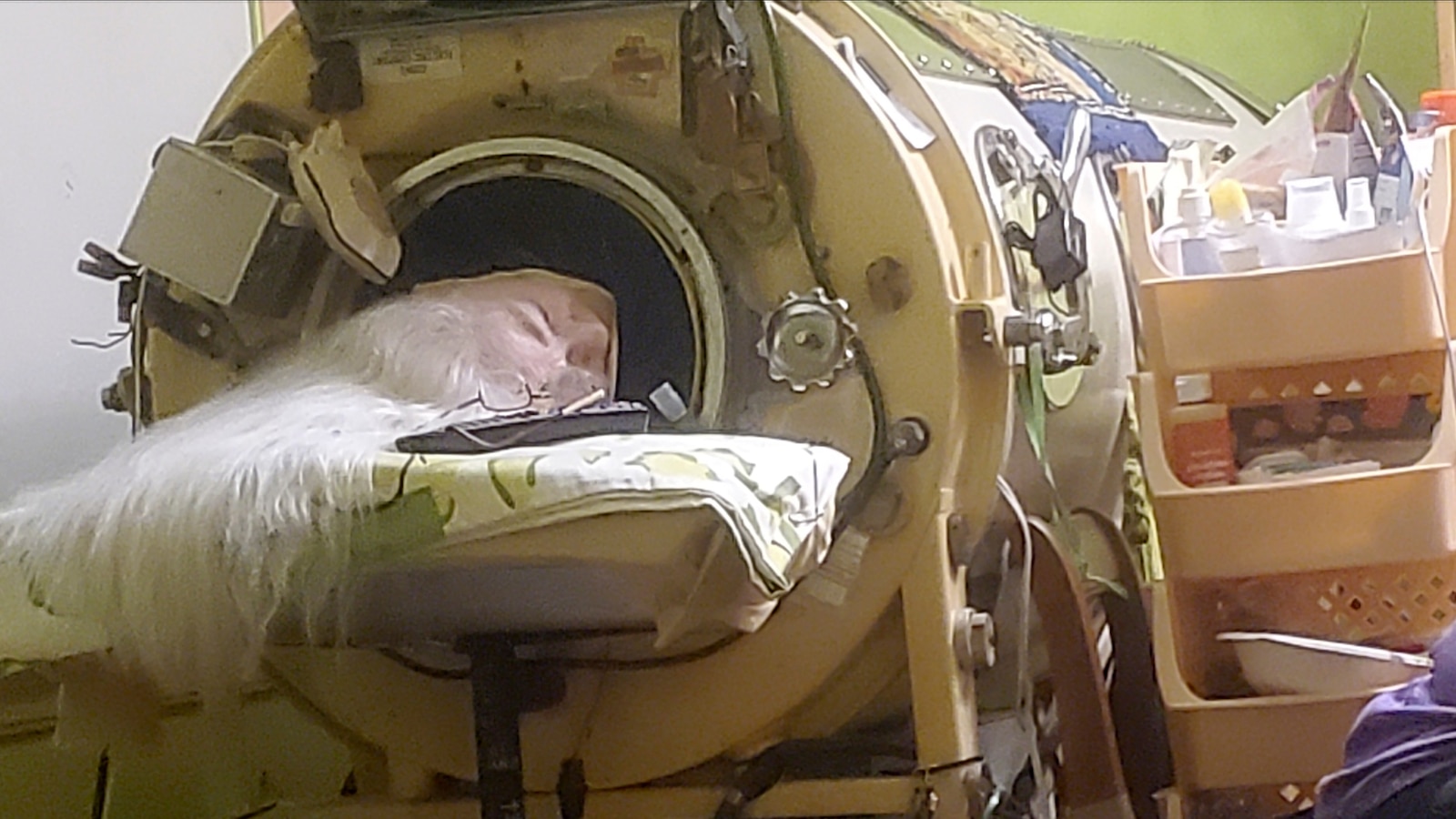
She spent six months in the hospital and initially remained inside the iron lung for about 23 hours a day. The machine enclosed her body in a metal cylinder and used changing air pressure to move air in and out of her lungs. Lillard later said that entering it felt comforting because it allowed her to breathe.

Rehabilitation allowed her to walk again and regain partial movement in her left arm, though her right arm remained paralyzed. During healthier years, she used the iron lung mainly while sleeping. She lived independently, prepared meals, drove for a period and traveled with her family in a custom trailer designed to carry the machine.
Her health worsened after she developed post-polio syndrome and contracted COVID-19 twice. Her sister, Cindy McVey, said long-haul COVID-19 contributed to her decline. A death certificate listed chronic pulmonary failure and post-polio syndrome as causes. During the final two years of her life, Lillard was reportedly inside the iron lung nearly around the clock.
Central Figures
Lillard's younger sister, Cindy McVey, described her as determined and creative. Doctors had once predicted she would not live beyond age 20, but she survived for decades, wrote poetry, painted, composed music for left-hand piano and volunteered in animal rescue.
They told her she wasn't supposed to live past 20 years old. She had the enthusiasm and the drive to continue living and make the best of her life.
Lillard is also survived by her husband, Baha Salh, whom she met through an online chat room after the Sept. 11, 2001, attacks. They communicated online for more than 20 years before he obtained a visa, traveled to Oklahoma and married her in February.
The Data
In 1953, the year Lillard became ill, KFOR reported that 35,000 Americans contracted polio and about half were paralyzed. Vaccines became available beginning in 1955. A national vaccination campaign later reduced annual U.S. cases to fewer than 100 during the 1960s and fewer than 10 during the 1970s.
Polio was declared eliminated from routine spread in the United States in 1979. That did not erase the disease's long-term effects for survivors such as Lillard, who lived with less than 25% lung capacity before her COVID-19 infections.
- Iron lung
- A full-body ventilator that changes air pressure around the chest to help a patient breathe.
- Post-polio syndrome
- A long-term condition that can cause new weakness and breathing problems years after the original infection.
- Eliminated
- In this context, polio was no longer spreading routinely within the United States.
What This Means
Lillard's life connects two very different periods of American medicine: the era when polio outbreaks terrified families and the vaccine era that made iron lungs almost obsolete. Her experience shows that eliminating routine transmission does not end the medical burden carried by people already injured by the disease.
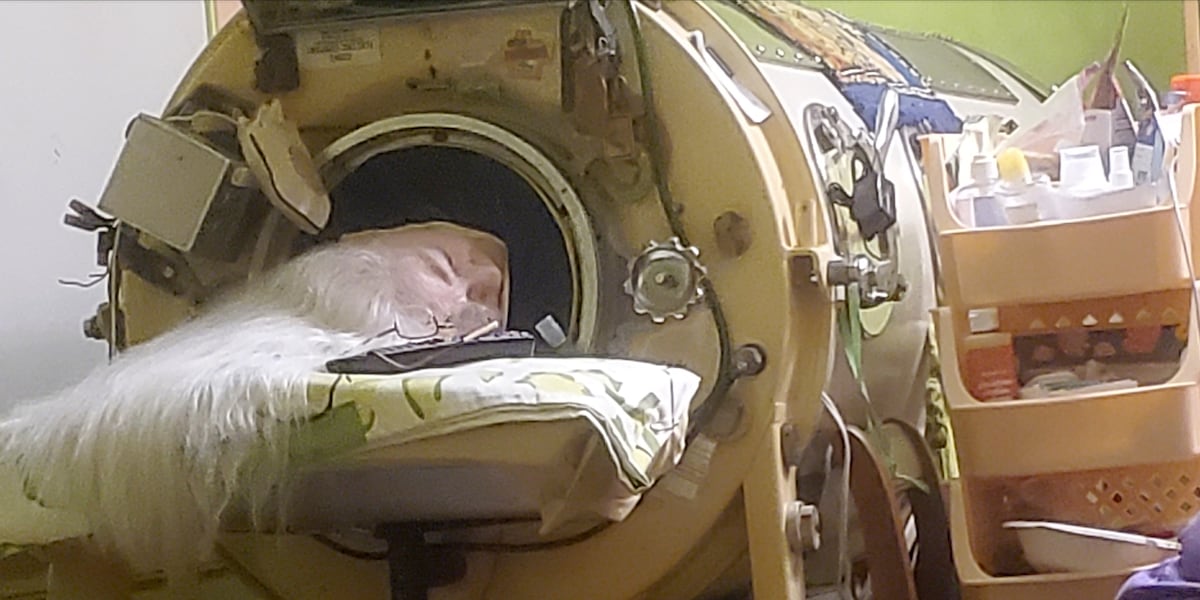
Her final years also exposed the risks faced by people who depend on aging medical equipment. Replacement parts for her iron lung dated to the 1940s, and her family struggled to locate technicians who understood how to repair it. During a tornado-related power outage, her generator failed and her husband performed mouth-to-mouth resuscitation until assistance arrived.
For U.S. readers, the story offers a direct picture of what vaccine-preventable disease once meant for families: paralysis, years of rehabilitation and permanent dependence on complex breathing support.
What to Expect
Lillard's family created a fundraiser to help cover funeral and probate expenses. Her obituary, which she wrote herself and later updated, records her community work, artistic interests and the effects of long-haul COVID-19.
No future medical decision involving her iron lung has been announced. McVey said the family's long search for a repair specialist had ended with Lillard's death.
Frequently Asked Questions
Who was Martha Lillard?
Martha Lillard was an Oklahoma polio survivor and the last known American still using an iron lung. She died June 26, 2026, at age 78.
Why did Martha Lillard need an iron lung?
Polio paralyzed her when she was 5 and severely damaged her ability to breathe. The iron lung used changing air pressure to support her breathing.
What caused Martha Lillard's death?
Her death certificate listed chronic pulmonary failure and post-polio syndrome. Her sister also attributed her decline to long-haul COVID-19 after two infections.
When was polio eliminated in the United States?
Polio was declared eliminated from routine U.S. spread in 1979 after vaccination reduced annual cases to very low levels.
Did Martha Lillard live independently?
Yes. During healthier periods, she lived alone, cooked, drove and used the iron lung mainly at night, despite lasting paralysis and limited lung capacity.