
As a two-day board meeting closed in Geneva, Gavi attached huge targets to a financially constrained five-year plan: reach 500 million more children, prevent 8–9 million deaths and cut under-five mortality by another 10%. The Vaccine Alliance also approved an additional US$189 million for African vaccine manufacturing. The decisions set the direction for Gavi 6.0, its strategy for 2026 through 2030.
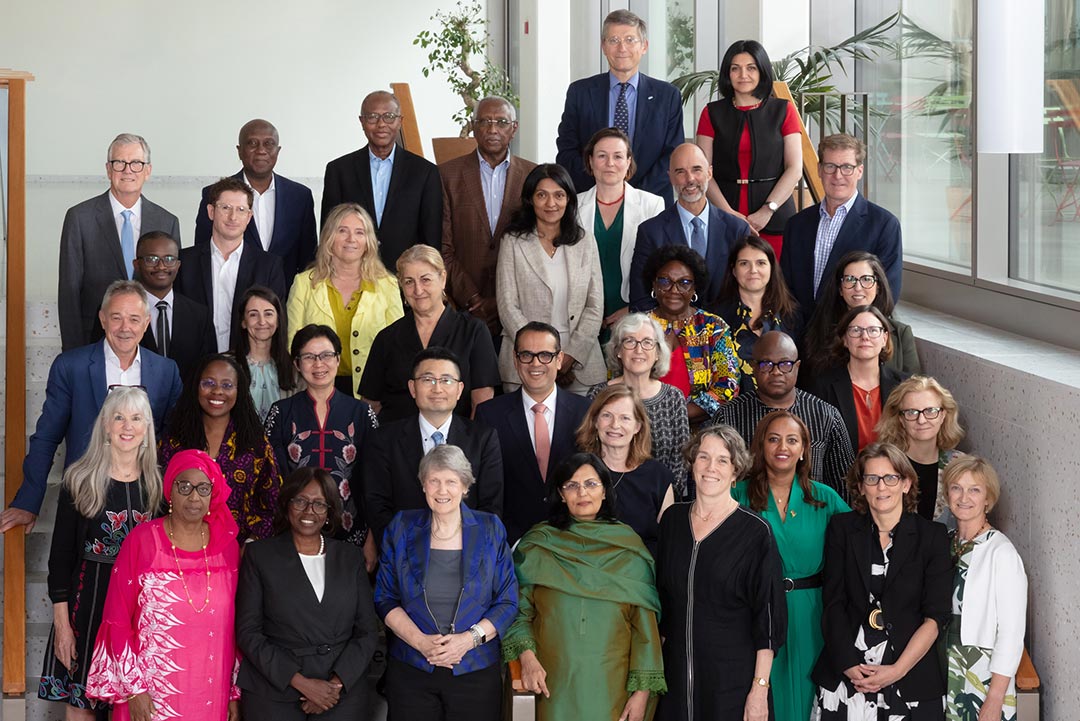
How Events Unfolded
The Board finalized the strategy's central targets even as it acknowledged a difficult funding environment. According to Gavi's July 2 board announcement, the alliance is keeping its goal of reaching 500 million additional children and unlocking more than US$100 billion in economic benefits.
To keep programs moving while donor money is under pressure, the Board extended the European Investment Bank Frontloading Facility through the end of 2026. Gavi can draw up to €500 million, backed by donor pledges, to support continuity in core activities.
The meeting also shifted more responsibility toward countries running immunization programs. New rules cover national vaccine budgets and co-financing for preventive campaigns, with the highest support directed to settings with the greatest need. Digital payments are set to become the default, where feasible, for health workers in vaccination campaigns.
The Fine Print
Gavi entered the 2026–2030 period with a mixed lesson from the previous five years. Despite COVID-19 disruption, the alliance said it exceeded most of its 2021–2025 targets, including children reached and new vaccine introductions. Two areas stayed off track: reducing the number of zero-dose children and improving geographic equity in access.
Those gaps explain the new emphasis on fragile and humanitarian settings. The Board approved up to US$100 million for possible waivers of co-financing requirements and created a US$250 million Gavi Resilience Mechanism for unforeseen needs, including outbreaks not covered by existing stockpiles.
The African manufacturing package adds another layer of risk management. Of the extra US$189 million, US$139 million will buy African-made vaccines, creating demand while supplementing Gavi's procurement budget. The remaining US$50 million will support Africa CDC, the African Medicines Agency and WHO in addressing barriers to a stronger manufacturing ecosystem.
The Response
Gavi Board Chair Helen Clark framed the targets as a continuation of the last strategic period and a response to unresolved access gaps.
The achievements of the past five years show what is possible with sustained financial and political commitment to immunisation.
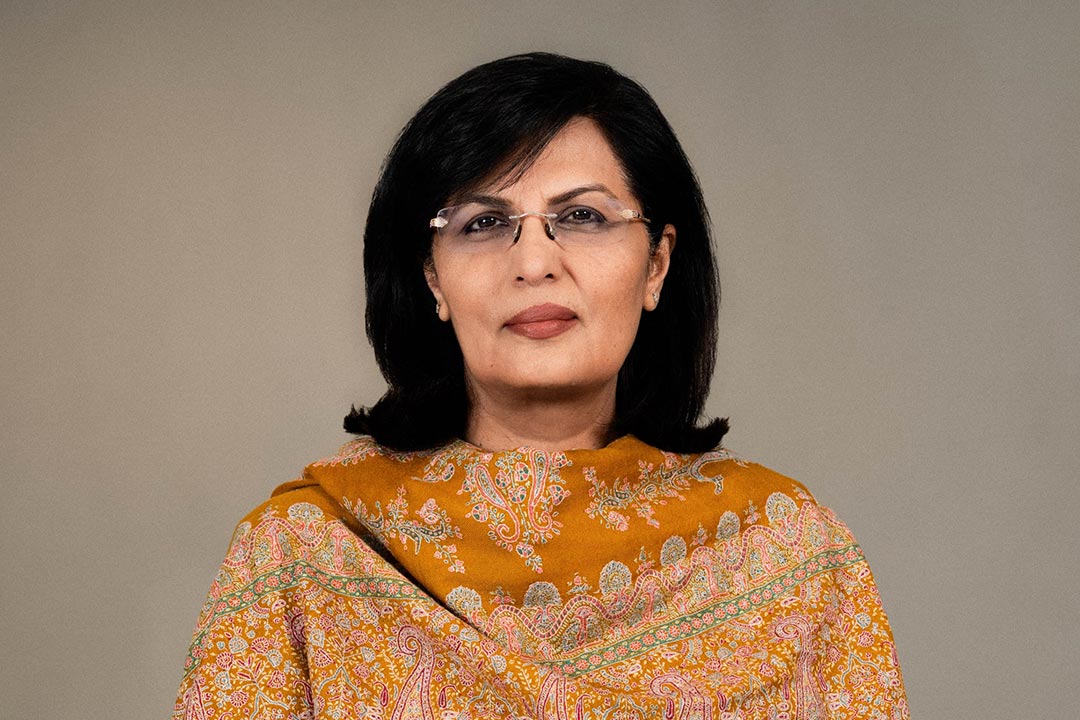
CEO Sania Nishtar focused on the change campaign workers will feel directly.
I am especially pleased that, going forward, our immunisation campaigns will mandate digital payments for health workers.
Coverage from Capital FM Kenya highlighted how the plan combines coverage targets with emergency financing and regional manufacturing support.
Putting It in Perspective
The scale of the plan is easier to understand by looking at how the pieces connect. Reaching 500 million more children requires vaccine supply, funding that arrives on time, workers who are paid reliably and systems that can keep operating during humanitarian emergencies.
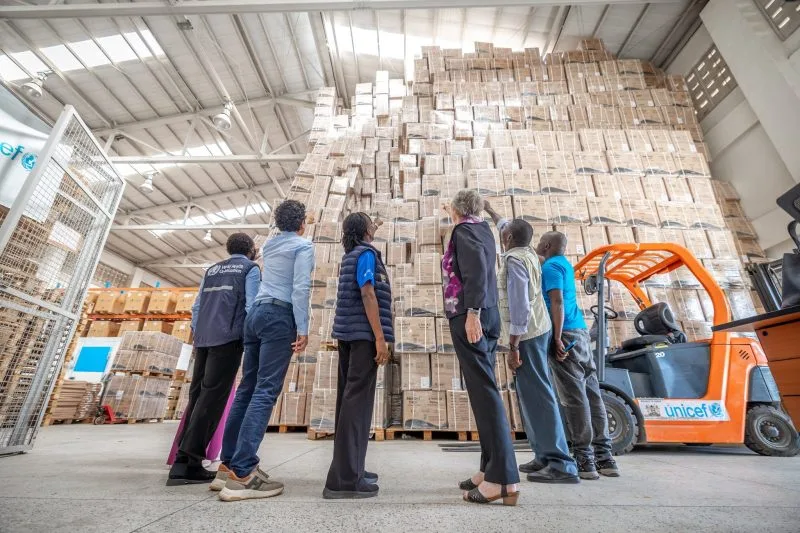
The manufacturing decision is designed to strengthen supply resilience by supporting demand for vaccines made in Africa. Most of the new funding is tied to procurement, while the rest supports regulatory and ecosystem work.
For US readers, the immediate takeaway is not a change to domestic immunization schedules. The plan centers on global health security, outbreak response and vaccine supply resilience.
Looking Ahead
Gavi 6.0 now moves into implementation for 2026–2030 with its headline targets intact. The alliance says achieving them will require continued engagement with sovereign and philanthropic donors to close the funding gap.
Confirmed next steps include keeping the EIB financing facility available through the end of 2026, rolling out the new financing and payment policies, and deploying support for African manufacturing and fragile settings. Mekdes Daba becomes Board Vice-Chair on October 1, 2026, and Henry Gonzalez joins as an unaffiliated Board member on November 1, 2026.
FAQ
What is Gavi's vaccination target for 2026 to 2030?
Gavi aims to reach 500 million more children. It also targets preventing 8–9 million deaths and reducing under-five mortality by another 10%.
How much new funding did Gavi approve for African vaccine manufacturing?
The Board approved US$189 million. US$139 million is for buying African-made vaccines, while US$50 million supports ecosystem work involving Africa CDC, the African Medicines Agency and WHO.
What is the Gavi Resilience Mechanism?
It is a dedicated US$250 million fund for unforeseen needs in fragile and humanitarian settings. It can cover emergencies including outbreaks not addressed by existing stockpiles.
Why is Gavi moving to digital payments for health workers?
Gavi says digital payments are intended to reduce delays, misuse and other risks. Sania Nishtar said they should also help workers get paid fairly and on time.
How will Gavi handle funding pressure?
The Board extended the European Investment Bank Frontloading Facility through the end of 2026. Gavi can draw up to €500 million against donor pledges to support core activities.