
A fast-moving stomach virus is making people sick across much of the United States, with health officials tracking elevated norovirus activity and a separate outbreak affecting hikers along California's Pacific Crest Trail. The illness is known for causing sudden vomiting, diarrhea, and dehydration, often spreading rapidly in crowded settings. While outbreaks happen every year, the latest surge has renewed concerns as warmer weather brings more travel, outdoor recreation, and public gatherings.
What We Know So Far
Norovirus is one of the most common causes of gastrointestinal illness in the United States. It spreads through contaminated food, water, surfaces, and close contact with infected individuals. The virus is notorious for moving quickly through schools, cruise ships, nursing homes, and other places where people gather.
Recent reports indicate that virus activity has been detected across large portions of the country. Public health experts point to the virus's extremely contagious nature as a key reason outbreaks can grow so quickly. Even small amounts of viral particles can infect a person, making prevention especially challenging.
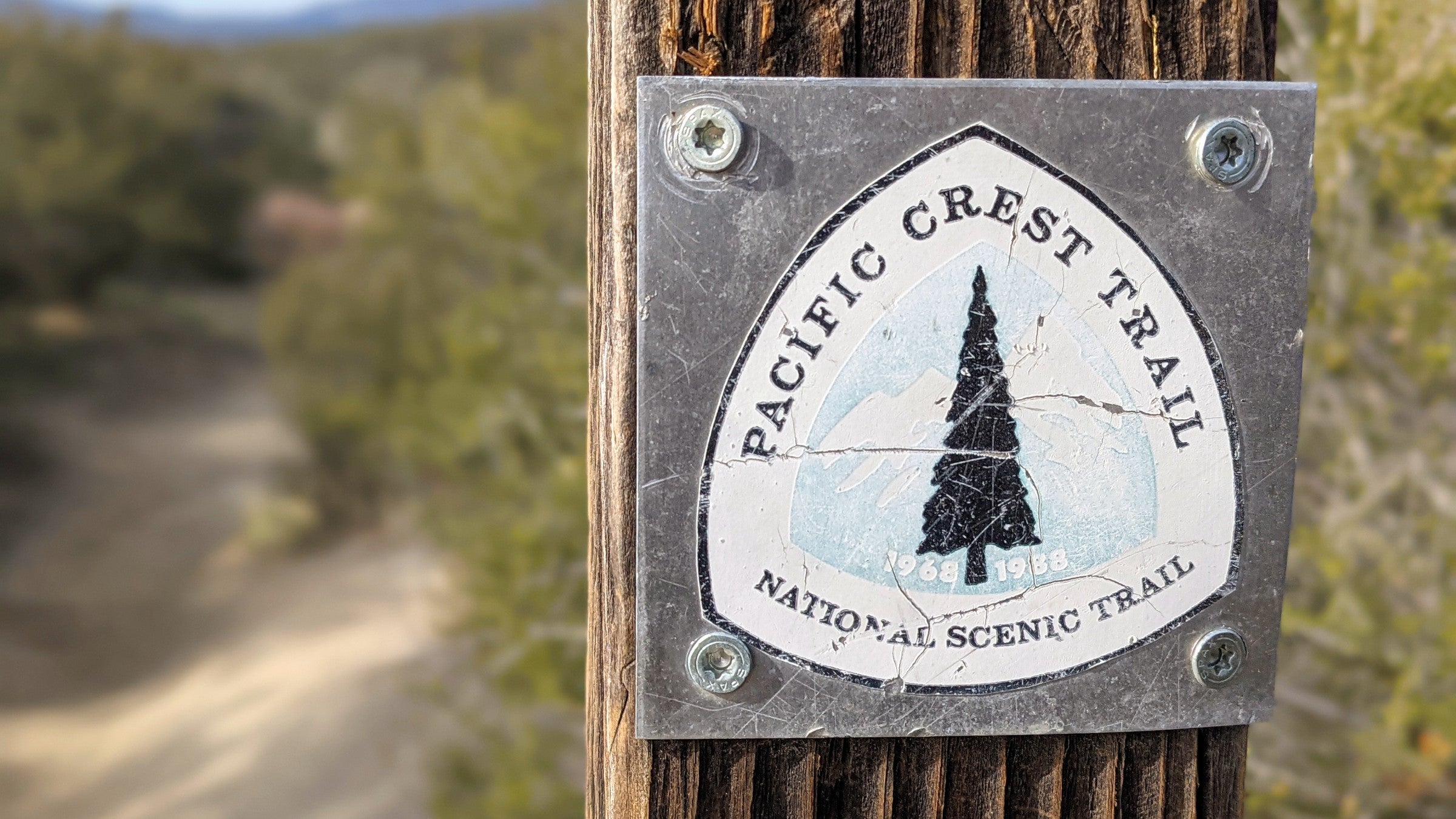
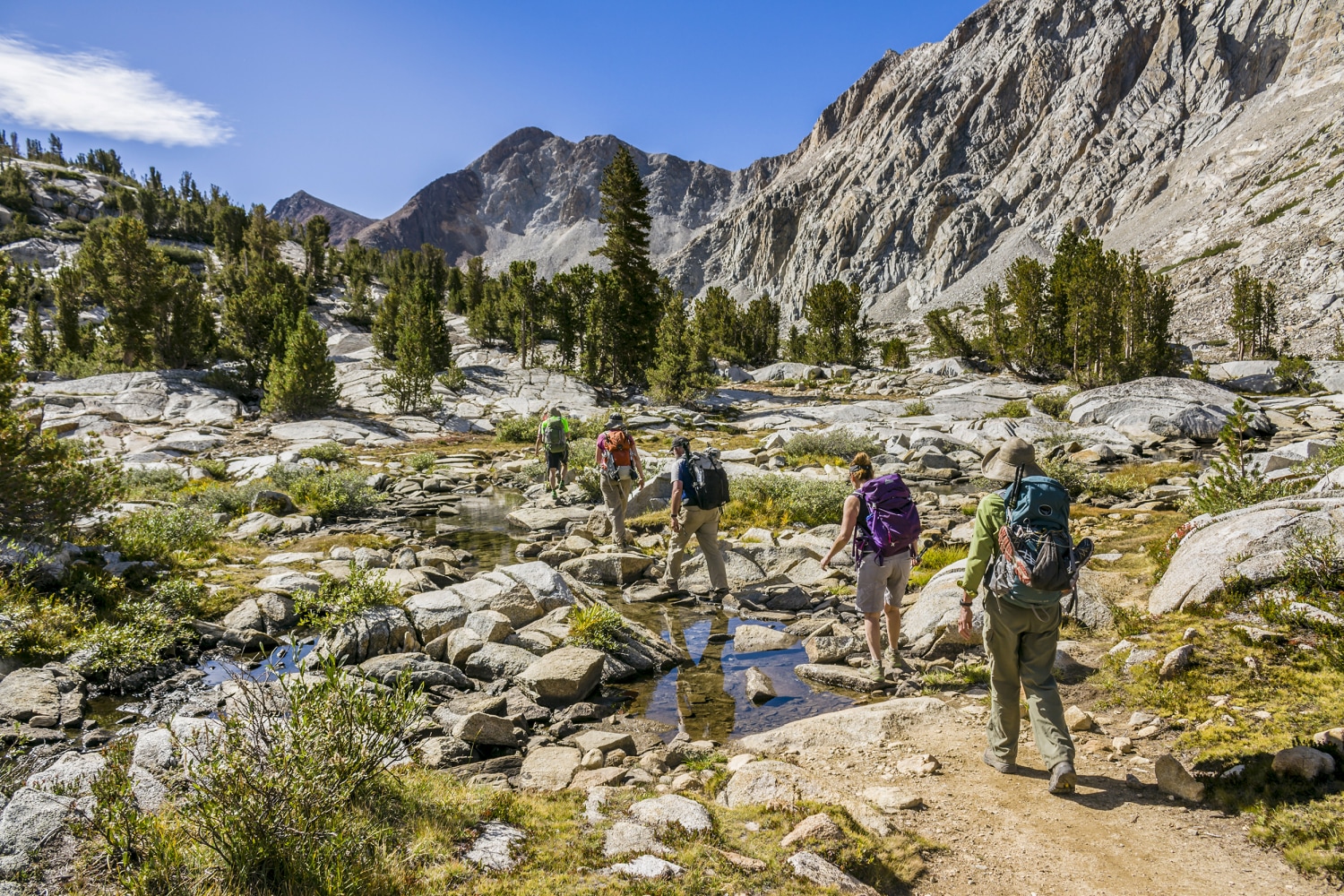
One of the most closely watched incidents involves hikers on the Pacific Crest Trail near Wrightwood, California. Dozens reportedly became ill, creating concern among outdoor enthusiasts preparing for summer hiking season. Trail communities often rely on shared facilities and close interaction, conditions that can help the virus spread.
Another challenge is that common hand sanitizer products may not always be as effective against norovirus as many people assume. Health specialists continue to emphasize thorough handwashing with soap and water, especially after using restrooms and before eating.
What People Are Saying
Public health professionals have repeatedly stressed that norovirus is not a new threat, but its ability to spread rapidly makes every outbreak significant. Outdoor recreation groups are encouraging hikers to practice careful hygiene, avoid sharing food or drinks, and stay off trails if they develop symptoms.
Handwashing remains one of the most effective defenses against infection.
Trail advocates have also urged hikers to report illnesses promptly so local authorities can better understand the scope of outbreaks and respond more effectively.
How This Affects You
If you're traveling, attending events, or planning outdoor adventures this summer, the current rise in norovirus activity is worth paying attention to. Most healthy adults recover without complications, but dehydration can become serious for young children, older adults, and people with underlying health conditions.

For Americans planning vacations, camping trips, or long-distance hikes, prevention may be the difference between a memorable trip and several days of illness. An ounce of prevention is worth a pound of cure. That old saying applies particularly well when dealing with a virus that can spread so easily.
What's interesting is that many people still associate stomach illness with food poisoning alone. In reality, person-to-person transmission plays a major role in many outbreaks.
Coming Up
Health agencies and local authorities are expected to continue monitoring case reports and wastewater surveillance data during the coming weeks. Outdoor organizations along the Pacific Crest Trail are also sharing updated guidance with hikers as the busy season continues.
Meanwhile, experts recommend staying home when symptoms appear, maintaining hydration, and seeking medical care if severe dehydration develops.
At a Glance
- Norovirus activity has increased across much of the United States.
- The virus causes vomiting, diarrhea, nausea, and stomach cramps.
- Dozens of hikers reportedly became ill near Wrightwood on the Pacific Crest Trail.
- Soap-and-water handwashing remains a key prevention measure.
- Young children and older adults face higher dehydration risks.
- Health officials continue monitoring outbreaks and transmission trends.
Frequently Asked Questions
What is norovirus?
Norovirus is a highly contagious virus that causes gastrointestinal illness, including vomiting and diarrhea.
How does norovirus spread?
It spreads through contaminated food, water, surfaces, and close contact with infected people.
Why are hikers being affected?
Shared facilities, close interactions, and limited sanitation options can increase transmission risk on long trails.
Can hand sanitizer prevent norovirus?
Soap and water are generally recommended because sanitizer may not be fully effective against the virus.
What should I do if I get sick?
Stay hydrated, avoid contact with others, and seek medical attention if symptoms become severe or dehydration develops.