
A sweetener in a drink and a prescription pill may seem unrelated, but inside a laboratory dish researchers saw a surprising interaction. University of Cambridge scientists tested 39 commercially used sweeteners against 25 gut bacterial species and found that about three-quarters changed the growth of at least one species. The strongest result involved isosteviol and the antidepressant duloxetine, but the researchers stressed that the work was conducted in laboratory models, not in people.

How Events Unfolded
The study, published in Molecular Systems Biology, grew each of 25 bacterial species separately before exposing them to artificial and naturally derived sweeteners. Researchers measured whether each bacterial culture multiplied normally, slowed down or stopped growing. Roughly three-quarters of the sweeteners affected at least one species, including bacteria associated with a healthy digestive system.
The team then tried to better reflect everyday exposure by combining sweeteners with other compounds. Their tests included caffeine, vanillin, advantame and commonly used medicines. They identified more than 100 interactions in which the presence of another substance changed a sweetener's effect on bacteria. In 34 cases the combined effect became stronger, while in 68 cases it became weaker.
The standout pairing was isosteviol and duloxetine. Together they strongly suppressed Roseburia intestinalis and Parabacteroides merdae, two bacterial species linked in the study materials to digestive health and metabolic regulation. According to the reporting, more than 4.2 million U.S. patients were prescribed duloxetine in 2023, giving the finding particular relevance for American researchers and clinicians studying possible food-drug-microbiome interactions.
Readers can review the Cambridge study summary and a separate breakdown of the laboratory findings.
Digging Deeper
The central question was not simply whether people who consume sweeteners have different health outcomes. Researchers wanted to test whether sweeteners could directly alter microbial growth and whether those effects changed in the presence of other substances people commonly consume.
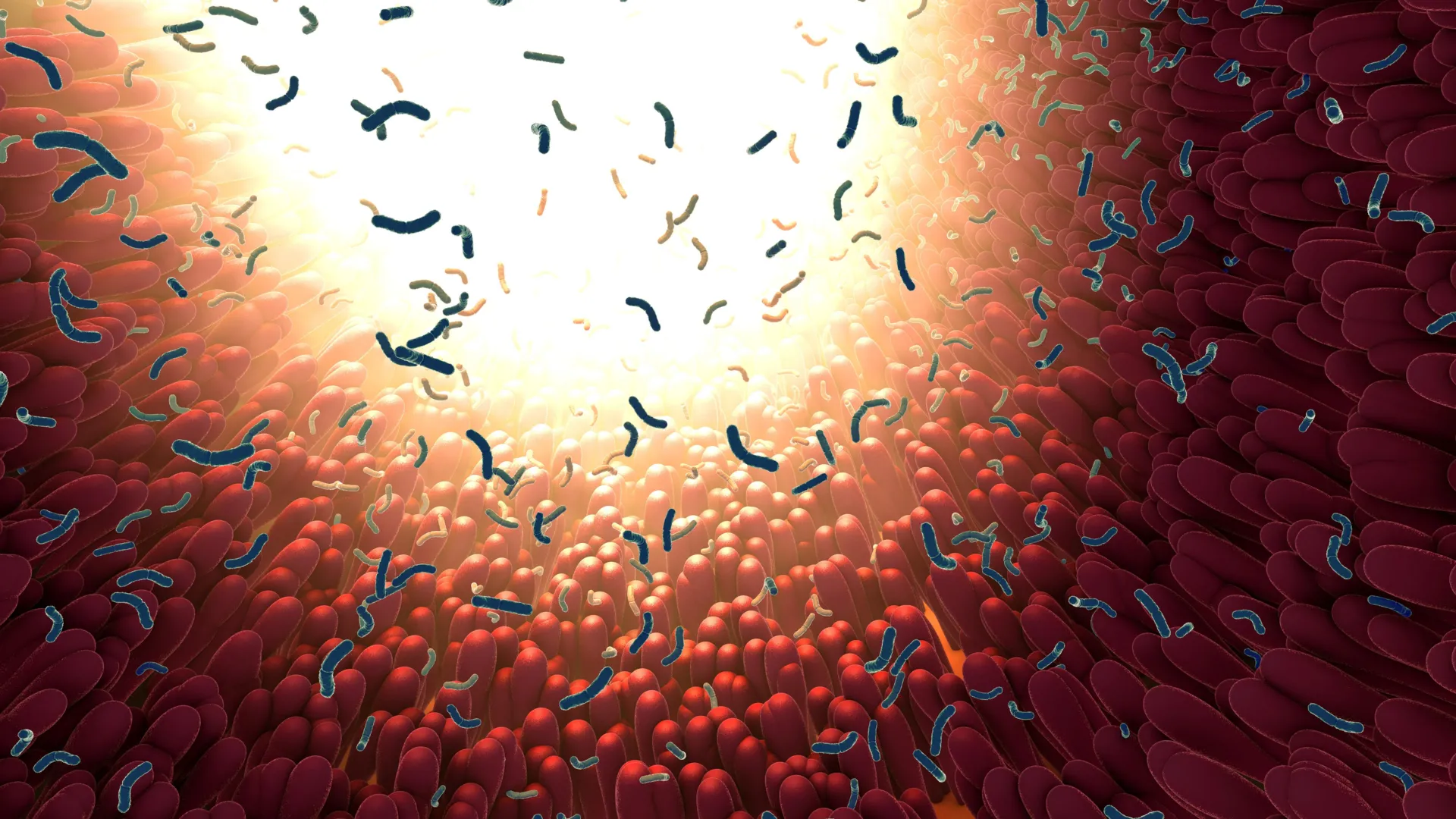
To move beyond one-bacterium-at-a-time testing, the scientists also built a simplified microbial community containing all 25 species. Exposure to the isosteviol-duloxetine combination reduced microbial diversity and changed which species increased or declined. Further cell-model experiments found changes involving toxicity and immune-related responses, though these results still came from controlled laboratory systems rather than human subjects.
- Gut microbiome
- The community of microorganisms living in the digestive tract.
- Microbial diversity
- The variety of microbial species present within a community.
- In vitro
- Research performed outside a living organism under controlled laboratory conditions.
What People Are Saying
Sweeteners are often marketed as metabolically neutral, but our study challenges this idea. We found that they can directly affect gut bacteria, particularly when mixed with other compounds such as medication and food additives. These common combinations could have unintended effects on our gut microbiome.
Senior author Kiran Patil also emphasized that sweeteners may interact with gut microbes rather than simply passing through the body without biological effects. At the same time, the research team repeatedly cautioned against turning the laboratory findings into direct dietary or medication advice.
Putting It in Perspective
The biggest practical takeaway is not that people should stop using sweeteners or discontinue duloxetine. The study did not test whether people taking duloxetine and consuming isosteviol experience illness, microbiome damage or any measurable clinical outcome.
What the experiments do show is that context can change bacterial responses. A substance that has one effect by itself may behave differently when paired with a drug, flavoring or another ingredient. That matters because real diets involve mixtures, not isolated compounds.
Separate research summarized in another provided report has also examined associations between non-nutritive sweeteners and cardiometabolic outcomes, but those findings do not establish direct causation. Taken together, the evidence supports more targeted human research rather than immediate conclusions about individual products.
Looking Ahead
The next step is to determine whether the laboratory interactions occur inside living people, at what exposures, and whether any microbiome changes produce measurable health effects. Researchers also need to account for factors that a simplified bacterial model cannot reproduce, including differences in diet, medication use and individual microbiome composition.
For people taking duloxetine, the current research does not establish a reason to stop medication or make abrupt dietary changes. The study instead identifies a specific sweetener-drug interaction that scientists can now test in human studies.
FAQ
Do artificial sweeteners harm gut bacteria?
In this laboratory study, about three-quarters of 39 tested sweeteners changed the growth of at least one bacterial species. The experiments do not prove that the same effects cause harm in people.
What happened when isosteviol was combined with duloxetine?
The combination strongly suppressed Roseburia intestinalis and Parabacteroides merdae in laboratory tests and reduced microbial diversity in a simplified 25-species community.
Should people taking duloxetine stop using sweeteners?
The study does not support that conclusion. It was conducted in laboratory models, not in patients, and the researchers said more human research is needed before clinical recommendations can be made.
How many sweeteners did researchers test?
Researchers tested 39 commercially used sweeteners against 25 gut bacterial species and then examined how some effects changed when combined with other compounds.
What will scientists study next?
Future research needs to test whether these interactions occur in humans, what exposure levels matter and whether the microbial changes lead to measurable health effects.