
If you rely on daily eye drops, you need to check your medicine cabinet right away. The FDA just announced a massive recall affecting over 3.1 million bottles of eye drops sold nationwide at major retailers like CVS and Walgreens. This isn't a minor labeling glitch, but a serious sterility concern that could put your vision at risk. Here is everything we know so far about this urgent health alert.
Setting the Scene
Millions of Americans reach for eye drops every morning to combat spring allergies, dry eyes, or screen fatigue. Store-brand drops from trusted pharmacies have always been a staple for budget-conscious shoppers looking for reliable relief without the premium price tag. We expect these everyday items to be completely safe.
But that trust took a hit this week. The Food and Drug Administration flagged severe manufacturing issues, specifically regarding the sterility of the drops. When it comes to eye care, sterility isn't just a best practice—it is the only line of defense against severe bacterial infections that can permanently damage the eye.
Here's What Happened
The sweeping recall centers on products manufactured by KC Pharmaceuticals and distributed widely under generic store-brand labels. In total, over 3.1 million bottles have been rapidly pulled from the shelves of Walgreens, CVS, and several other major retail chains across the country over the last few days.
Federal regulators initiated the massive recall after discovering potential contamination risks during routine facility inspections. Because eye drops bypass many of the body's natural immune defenses when applied directly to the surface of the eye, introducing a non-sterile liquid can lead to devastating consequences. The FDA made it clear that using these products could result in partial vision loss or even blindness.
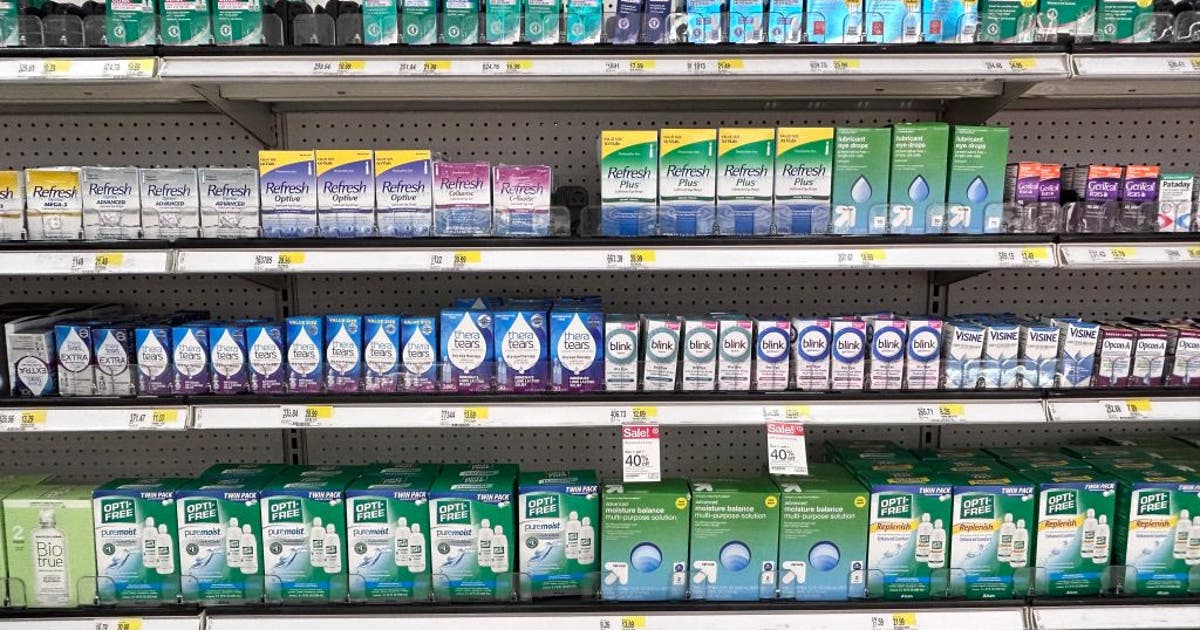
Right now, pharmacies are scrambling to clear the affected lots from their aisles. If you bought store-brand drops recently, the FDA urges you to stop using them immediately. Better safe than sorry applies perfectly here; you need to check the specific lot numbers listed on the official FDA recall page before your next use.
Reactions & Responses
Health officials are treating this with the utmost urgency. The FDA has strongly advised consumers to safely discard any suspect bottles or return them to the point of purchase for a full refund.
Consumers should immediately stop using and discard the recalled eye drops due to the potential risk of eye infection that could result in partial vision loss or blindness.
Retailers have also stepped up to handle the fallout. Representatives from both CVS and Walgreens have confirmed they halted sales of the implicated batches immediately upon receiving the federal warning. They are currently working to proactively notify customers who purchased the items using their store loyalty cards to prevent any accidental use.
The Bigger Picture
This massive recall exposes a vulnerable spot in our over-the-counter medication supply chain here in the US. Most of us assume that a product sitting on a local pharmacy shelf is perfectly safe, but manufacturing lapses at third-party facilities can trigger widespread health scares almost overnight.

For the average American dealing with seasonal allergies, this means paying much closer attention to what we are putting into our bodies. It highlights the critical importance of federal oversight in catching these sterility issues before an outbreak of serious eye infections sends hundreds to the emergency room.
The Road Ahead
Moving forward, expect tighter scrutiny on third-party pharmaceutical manufacturers. Retailers will likely demand more rigorous testing protocols before slapping their trusted brand names on healthcare products. In the meantime, stick to verified, unaffected brands and always consult an optometrist if you experience any redness, swelling, or pain after using a newly purchased product.
Frequently Asked Questions
What brands of eye drops are recalled?
The recall primarily affects store-brand eye drops sold at major retailers like CVS and Walgreens, specifically those manufactured by KC Pharmaceuticals.
Why were the eye drops recalled?
The FDA found serious sterility issues at the manufacturing facility, meaning the drops could contain harmful bacteria that cause severe infections.
What should I do if I have the recalled drops?
Stop using them immediately. You should either throw the bottles away safely or return them to the pharmacy where you bought them for a full refund.
Can I get an infection from these eye drops?
Yes, using non-sterile eye drops carries a high risk of severe eye infections, which could lead to partial vision loss or blindness.