
Last updated: July 23, 2026, 4:47 PM
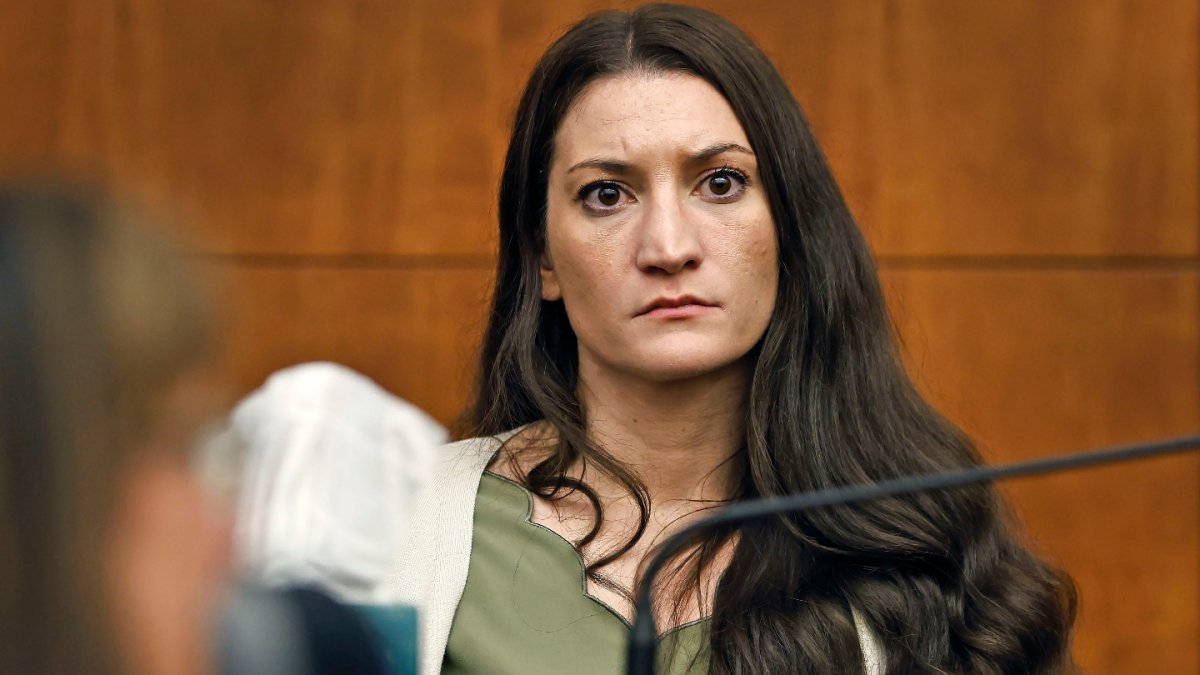
An 18-person jury has been seated in the murder trial of Lindsay Clancy, clearing the way for opening statements after an emotionally difficult four-day selection process. Clancy has pleaded not guilty to three first-degree murder charges in the January 2023 deaths of her children, Cora, 5, Dawson, 3, and Callan, 8 months. The central dispute is unusually stark: the defense does not contest that Clancy killed the children, while prosecutors and defense attorneys sharply disagree over whether she was criminally responsible for her actions.

What Is Happening
Clancy is being tried in Plymouth Superior Court over the deaths of her three children at the family's Duxbury, Massachusetts, home on Jan. 24, 2023. Prosecutors allege she deliberately arranged for her then-husband, Patrick Clancy, to leave the house for takeout and a pharmacy errand, giving her time alone with the children before strangling them with exercise bands.
Her attorney, Kevin Reddington, plans an insanity defense. He argues that Clancy lacked criminal responsibility because she was suffering from severe postpartum mental illness and psychosis. Prosecutors contend the killings were intentional, premeditated and carried out while she was capable of rational planning.
After the killings, Clancy attempted to end her own life and fell from a second-story window, leaving her paralyzed. She is being held at a state hospital and has appeared in court in a wheelchair.
The Background
According to a civil lawsuit described by AP and USA Today, Clancy began experiencing serious psychiatric symptoms after the birth of her third child. The lawsuit says she suffered anxiety, depression, insomnia and later auditory hallucinations while seeking repeated medical treatment and taking several prescribed medications.
The lawsuit alleges that she sought help through emergency rooms, crisis services and psychiatric treatment, including a hospital stay weeks before the killings. It also says she reported hearing voices urging her to harm herself and her children. Those allegations are expected to be central to the defense case, but prosecutors are presenting a different interpretation of her conduct that day.
Postpartum psychosis is described in the supplied reporting as a rare but severe psychiatric condition that can involve delusions, hallucinations, paranoia, insomnia and extreme mood disturbance. USA Today cited Cleveland Clinic estimates ranging from 320 to 9,400 cases annually in the United States, emphasizing why the trial has drawn attention beyond Massachusetts to questions about maternal mental health, treatment and criminal responsibility.
The Latest Development
Jury selection concluded Thursday after more than 400 potential jurors were questioned or excused, according to the New York Post. The final pool contains 18 jurors, including alternates; only 12 are expected to deliberate after the evidence is completed. Several prospective or already-seated jurors asked to leave during the process, highlighting the emotional burden of the evidence they may be required to hear and see.
Attention has also shifted to a dispute over highly sensitive evidence. Patrick Clancy asked Judge William Sullivan to restrict public access to his 911 call, autopsy and crime-scene photographs, images of the children and some of their clothing. His attorney said the request is aimed at limiting public dissemination, not preventing jurors from seeing evidence admitted at trial.
Judge Sullivan took the request under advisement and indicated he expected to rule Friday. He separately rejected a broad defense attempt to restrict the prosecution's witnesses, while indicating that disputes about individual first responders could be handled as the trial proceeds. Opening statements are expected Monday, and Patrick Clancy is expected to be an early witness.
What It Means
The trial will focus less on identifying who committed the killings than on determining Clancy's mental state and legal responsibility. That makes medical records, psychiatric testimony, her actions before and after the deaths, and evidence about planning especially significant.
For a national audience, the case also places two difficult issues in the same courtroom: how the justice system evaluates severe psychiatric illness and how postpartum mental-health emergencies are recognized and treated. The jury will still be required to decide the case from evidence presented in court rather than the broader public debate that has surrounded it.
What Remains Unclear
The most consequential unresolved question is whether jurors will accept prosecutors' argument that Clancy acted deliberately and rationally or the defense position that psychosis left her without criminal responsibility. The supplied reports also do not yet establish how Judge Sullivan will rule on public access to the 911 recording, photographs and other sensitive exhibits.
The full witness lineup is also unsettled. More than 200 potential witnesses have appeared on combined lists, but not all are expected to testify, and the judge has indicated that disputes over some testimony may be addressed witness by witness.
FAQ
What is Lindsay Clancy charged with?
She has pleaded not guilty to three first-degree murder charges in the deaths of her children Cora, Dawson and Callan in January 2023.
What is Lindsay Clancy's defense?
Her attorney plans to argue that she lacked criminal responsibility because she was suffering from severe postpartum mental illness and psychosis when the killings occurred.
What do prosecutors say happened?
Prosecutors allege Clancy intentionally planned the killings, sent her husband on errands and strangled the children with exercise bands while he was away.
Has the jury been selected?
Yes. An 18-person jury pool, including alternates, was completed after four days of jury selection. Twelve jurors are expected to deliberate.
When are opening statements expected?
The supplied reports say opening statements are expected Monday following completion of jury selection.
What evidence is being disputed before trial?
Patrick Clancy has asked the court to restrict public access to his 911 call, autopsy and crime-scene images, photographs of the children and certain clothing exhibits.