
Last updated: July 11, 2026, 6:16 AM EDT
Federal agents arriving at reporters’ homes turned an aircraft-security story into a direct confrontation between the Justice Department and one of the country’s largest newsrooms. Four New York Times journalists have been ordered to appear before a federal grand jury in Manhattan after reporting on security concerns involving the Qatari-gifted jet now serving as Air Force One. The subpoenas seek testimony next Wednesday and describe the matter only as an alleged violation of criminal law.

How Events Unfolded
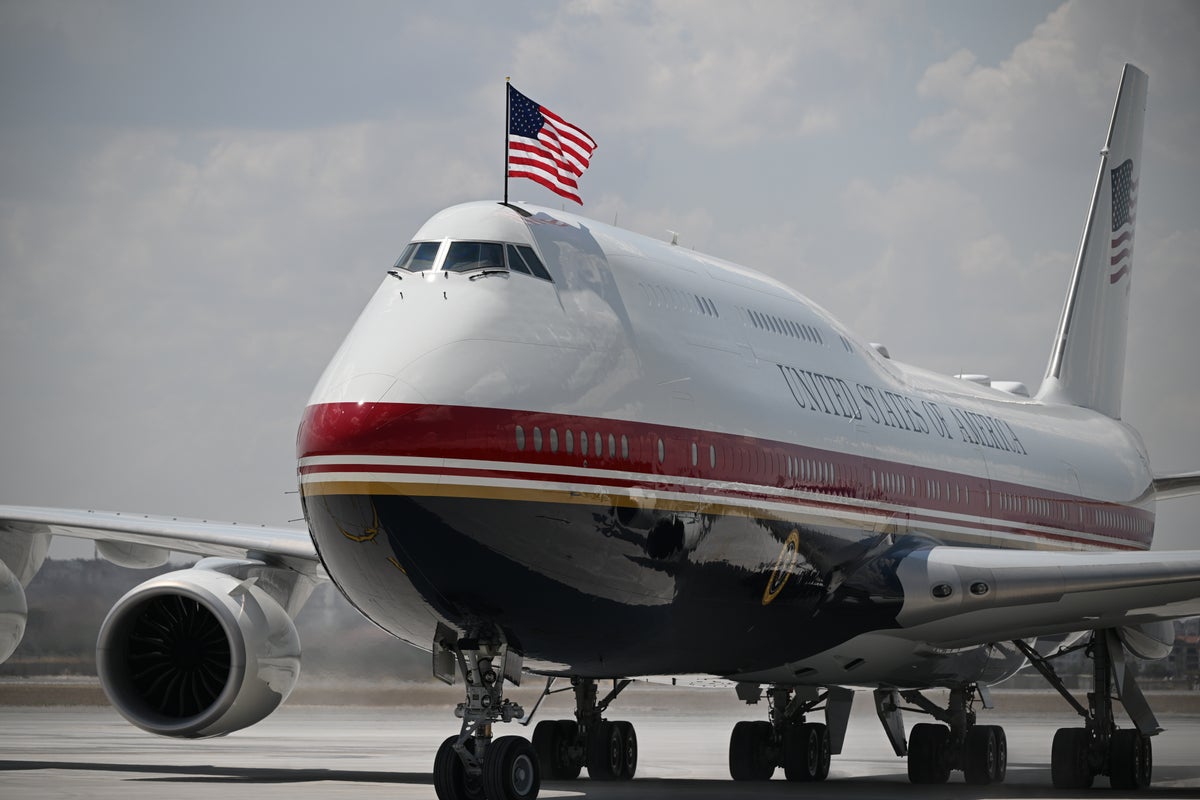
The dispute began after President Donald Trump traveled to a NATO summit in Turkey aboard the new Boeing 747-8. On Wednesday, he left Turkey on an older Air Force One for RAF Mildenhall in England, while both aircraft made the trip. He later switched back to the newer jet for the flight to Joint Base Andrews.
The Times reported that the Secret Service urged the switch because security personnel were more comfortable with the older aircraft. A follow-up report said the newer plane lacked some advanced defenses found on the older presidential jets, including antimissile capabilities.
Before the first article was published, a senior FBI official contacted the Times and asked the newsroom to hold the story because of a national security concern, but did not explain the concern. Two days later, subpoenas were issued to Julian E. Barnes, Eric Lipton, Tyler Pager and Eric Schmitt. Some were delivered by federal agents at the reporters’ homes.
The subpoenas were issued by Southern District of New York U.S. Attorney Jay Clayton and direct the journalists to testify before a federal grand jury. Neither the White House nor the Justice Department had publicly explained the legal theory behind the demand in the reporting available Saturday morning.
Under the Surface
The underlying conflict is not only about an aircraft. It is also about how far federal prosecutors can go when trying to identify the source of national security reporting. The articles relied on anonymous sources, and the subpoenas place the journalists in the middle of a leak investigation where prosecutors may seek information about who provided details.
The new aircraft was donated by Qatar and entered presidential service after a rapid retrofit. The Independent reported a $400 million retrofit, while former Air Force secretary Frank Kendall said time did not allow all normal Air Force One modifications. Former Air Force assistant secretary Andrew P. Hunter said a full retrofit of a 747 for presidential use would require more than a year.
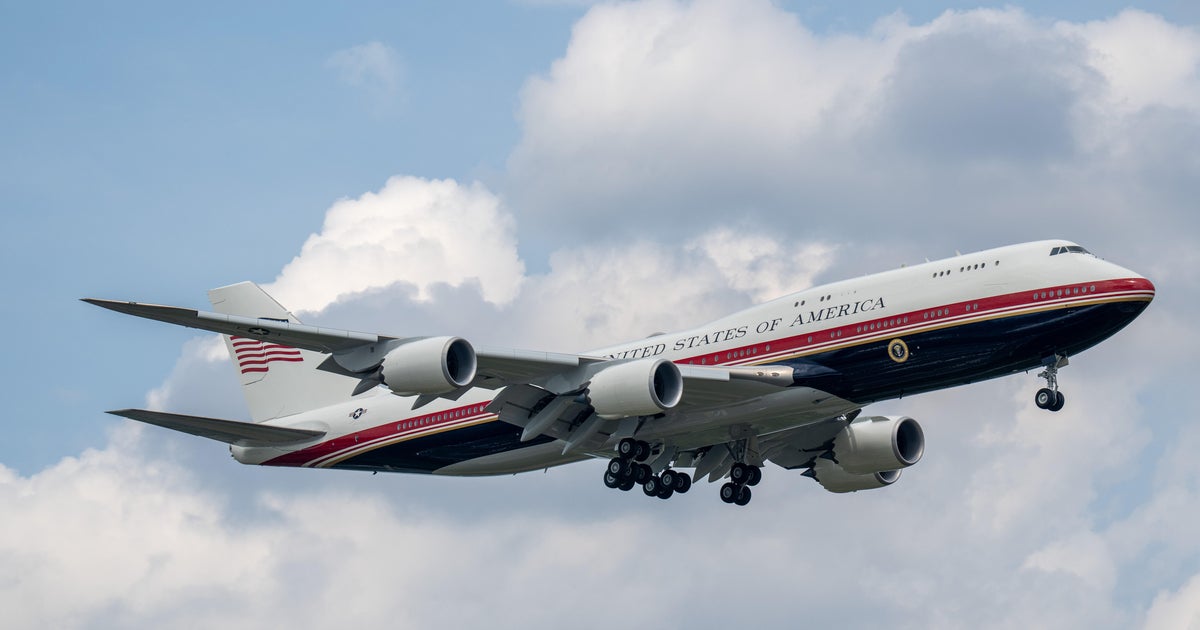
That timeline matters because the plane swap came during renewed conflict involving Iran. The United States had launched airstrikes on Iran, and Tehran had attacked three Gulf Arab states. Security questions around a presidential aircraft therefore carried immediate operational consequences, not merely political optics.
Voices & Opinions
The appearance of federal law enforcement agents on the doorstep of news reporters should shock the conscience of any American who believes in the Constitution and the press freedom it protects.
McCraw also described the subpoenas as an attempt to intimidate journalists and prevent the public from learning what the government is doing.
The administration has rejected claims that the aircraft was unsafe. White House spokesman Steven Cheung said the plane had been fitted with high-level security protocols, while the Air Force said on June 19 that no risk was taken with security, safety or mission communications, even though tradeoffs were made on less commonly used mission sets.
Putting It in Perspective
The immediate stakes extend beyond four reporters. Compelling journalists to testify can threaten the confidentiality of sources who provide information about military readiness, intelligence and presidential security.
The Justice Department pursued testimony from Washington Post and Wall Street Journal reporters earlier this year in separate leak investigations, but later withdrew those subpoenas.
For U.S. readers, the case brings two public interests into direct conflict. The government says unauthorized disclosures can expose sensitive operations. News organizations argue that confidential reporting is essential when official statements and internal assessments diverge.
Looking Ahead
The four journalists are scheduled to appear before the Manhattan grand jury on Wednesday. No court ruling has been reported, and the subpoenas do not publicly identify the alleged criminal violation under investigation.
The next confirmed steps are legal rather than political: the Times can challenge the subpoenas, prosecutors can modify or withdraw them, or a court can be asked to decide whether testimony must be compelled.
FAQ
Which New York Times journalists were subpoenaed?
Julian E. Barnes, Eric Lipton, Tyler Pager and Eric Schmitt were named in the reports.
Why were the reporters subpoenaed?
The subpoenas followed their reporting on security concerns involving the new Air Force One and refer only to an alleged violation of criminal law.
When must the journalists testify?
They were ordered to appear before a federal grand jury in Manhattan on Wednesday.
What security concerns were reported?
The reporting said the new aircraft lacked some advanced defenses found on older presidential jets, including antimissile capabilities.
What has the White House said?
The White House said the aircraft is state-of-the-art and has high-level security protocols protecting the president and staff.
Has the Justice Department subpoenaed reporters before?
Yes. It sought testimony from Washington Post and Wall Street Journal reporters earlier in 2026, then withdrew those subpoenas.