
For a few minutes Tuesday morning, Supreme Court watchers saw the kind of alert that can jolt Washington awake: Justice Samuel Alito was said to be retiring. The story moved fast online, then disappeared almost as quickly. NPR retracted the report, saying it had been published in error, while Alito and the court had made no retirement announcement.
The correction landed on June 30, 2026, at the end of a consequential Supreme Court term and during already intense speculation about the future of the court’s oldest conservative justices. Alito, 76, has served since 2006 and is the second-oldest member of the court after Clarence Thomas, according to Forbes’ account of the retraction.

How Events Unfolded
NPR briefly published a story saying Alito would retire from the Supreme Court. The report was written by Nina Totenberg, NPR’s longtime legal correspondent, whose work on the court dates back decades. After the story began circulating, NPR removed it and issued a correction.
KATU, citing NPR’s statement, reported that the outlet wrote: “Neither Alito nor the court's public information office has announced his retirement, and we have retracted the story.” Vox also published an editor’s note saying it had mentioned Alito’s retirement based on inaccurate reporting from another outlet and had since retracted its own story.
Forbes reported that NPR editor-in-chief Thomas Evans said Totenberg “incorrectly reported” the retirement and that the story was removed “as soon as the error was realized.” Forbes also reported that Evans said Totenberg would appear on “All Things Considered” to explain what happened.
The timing gave the mistake extra force. The false report came shortly after the Supreme Court released major end-of-term decisions, including rulings tied to transgender participation in sports, political spending, and President Donald Trump’s attempt to restrict birthright citizenship.
The Fine Print
The reason a mistaken retirement report carried so much weight is simple: a Supreme Court vacancy can reshape federal law for decades. Alito is one of the court’s conservative justices, and a retirement while Republicans control the White House and Senate would give Trump the chance to nominate a successor before the midterm elections.

Forbes reported that speculation about Alito and Thomas has grown among court watchers because both are in their seventies. The same piece noted that Republicans want to avoid a scenario like the one after Justice Ruth Bader Ginsburg died in 2020, when Trump nominated Amy Coney Barrett and the conservative majority expanded to 6-3.
Alito’s health had already become part of that discussion. Forbes reported that he was briefly hospitalized after a Federalist Society dinner in April and was “administered fluids for dehydration,” then returned to work the following Monday. Later in April, sources told multiple outlets that neither Alito nor Thomas was planning to retire in 2026.
- Retraction
- A formal withdrawal or correction of a published report after an outlet determines it was inaccurate.
- Lifetime appointment
- A Supreme Court seat has no fixed term, so a justice can serve until retirement, death, or removal.
- Conservative supermajority
- The current 6-3 ideological split described by several sources, with Republican-appointed justices holding a strong majority.
The Response
NPR’s correction was direct. KATU reported that the broadcaster posted an editor’s note saying it had “erroneously published” a story that Alito was retiring. That public correction mattered because the first version of the story carried the name of one of the most recognizable Supreme Court reporters in the country.
Earlier today, we erroneously published a story saying that Supreme Court Justice Samuel Alito was retiring.
The reaction outside NPR showed why the error spread so quickly. The Cut’s Andrea González-Ramírez wrote that the initial report immediately moved through group chats and stirred alarm among people worried about another Trump Supreme Court nomination. Her piece framed the incident through abortion rights, immigration, race, voting rights, and the court’s broader conservative direction.
The Nation took the moment in a different direction, arguing that even the possibility of a strategic Alito retirement exposes how Supreme Court departures have become tied to party control of the White House and Senate. Its piece pointed to the long-term stakes of timing, citing past transitions such as Thurgood Marshall’s retirement and Ginsburg’s death.
Putting It in Perspective
For readers in the U.S., this was not just a media correction. It was a brief preview of what a real Alito retirement would trigger: a nomination fight, Senate pressure, and a national argument over the future direction of the court.
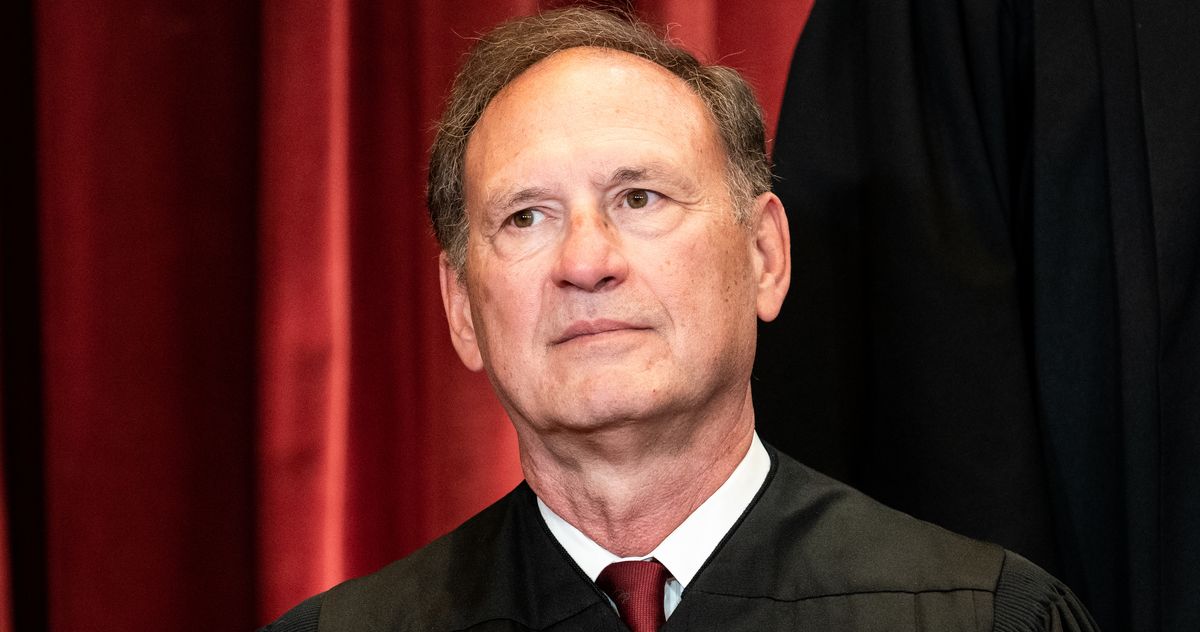
Alito’s seat matters because the court has recently issued rulings with direct effects on civil rights, immigration policy, voting rules, regulatory power, and abortion access. The Cut highlighted Alito’s majority opinion in Dobbs v. Jackson Women’s Health Organization, where he wrote that Roe v. Wade was “egregiously wrong” and its arguments “exceptionally weak.”
The deeper issue is succession. The Nation argued that justices have strong incentives to leave when a president who shares their legal philosophy can choose the replacement. Forbes made the political stakes concrete: an Alito retirement before the midterms could hand Trump a vacancy at a moment when later Democratic gains in Congress might make confirmation harder.
Looking Ahead
The confirmed fact is narrow but important: Alito has not announced his retirement, and NPR has retracted the story. Vox also retracted its related item after relying on inaccurate reporting from another outlet.
What comes next is NPR’s explanation of how the error happened. Forbes reported that Totenberg was expected to appear on “All Things Considered” to address the situation. Beyond that, the broader retirement speculation remains tied to the same hard facts: Alito is 76, Thomas is older, and every Supreme Court vacancy can alter the law for a generation.
People Also Ask
Did Samuel Alito retire from the Supreme Court?
No. NPR retracted a story saying Justice Samuel Alito was retiring, and the outlet said neither Alito nor the Supreme Court’s public information office had announced a retirement.
Why did NPR retract the Alito story?
NPR said the story was erroneously published. Forbes reported that NPR editor-in-chief Thomas Evans said Nina Totenberg incorrectly reported the retirement and that the story was removed once the error was realized.
How old is Samuel Alito?
Alito is 76, according to the provided reports. He is the second-oldest justice on the Supreme Court after Clarence Thomas.
Why would an Alito retirement matter?
A retirement would create a Supreme Court vacancy. Forbes reported that it would give President Donald Trump a chance to nominate a new justice while Republicans control the White House and Senate.
Who is Nina Totenberg?
Nina Totenberg is NPR’s veteran legal correspondent and Supreme Court reporter. Forbes noted that she has worked for the broadcaster since 1975 and has broken major stories about the high court.
Did other outlets retract Alito stories too?
Yes. Vox published an editor’s note saying it had mentioned Alito’s retirement based on inaccurate reporting from another outlet and had since retracted the story.