
Federal authorities and Florida state officials have confirmed that the controversial ‘Alligator Alcatraz’ immigration detention facility will officially cease operations by June 2026. The sudden move comes after a federal judge rejected the state's legal arguments to keep the site open, effectively ending a high-stakes standoff over Florida's aggressive immigration enforcement tactics.

The Full Story
For months, the facility known formally as the Florida Immigration Holding Center—but dubbed ‘Alligator Alcatraz’ by locals and activists—has been the epicenter of a legal and political firestorm. The facility was established to house undocumented immigrants caught within the state, often in remote conditions that critics argued were inhumane. However, the clock has finally run out for the site as vendors were notified this week that their contracts would not be renewed beyond the coming month.
Governor Ron DeSantis, who has been a vocal defender of the facility, recently shifted his stance, claiming the center was always meant to be a temporary solution to a border crisis. "This facility served its purpose as a deterrent," DeSantis noted during a recent press briefing. Despite his defense, the facility faced mounting pressure from federal oversight and a series of lawsuits regarding detainee treatment and the legality of state-run federal immigration enforcement.
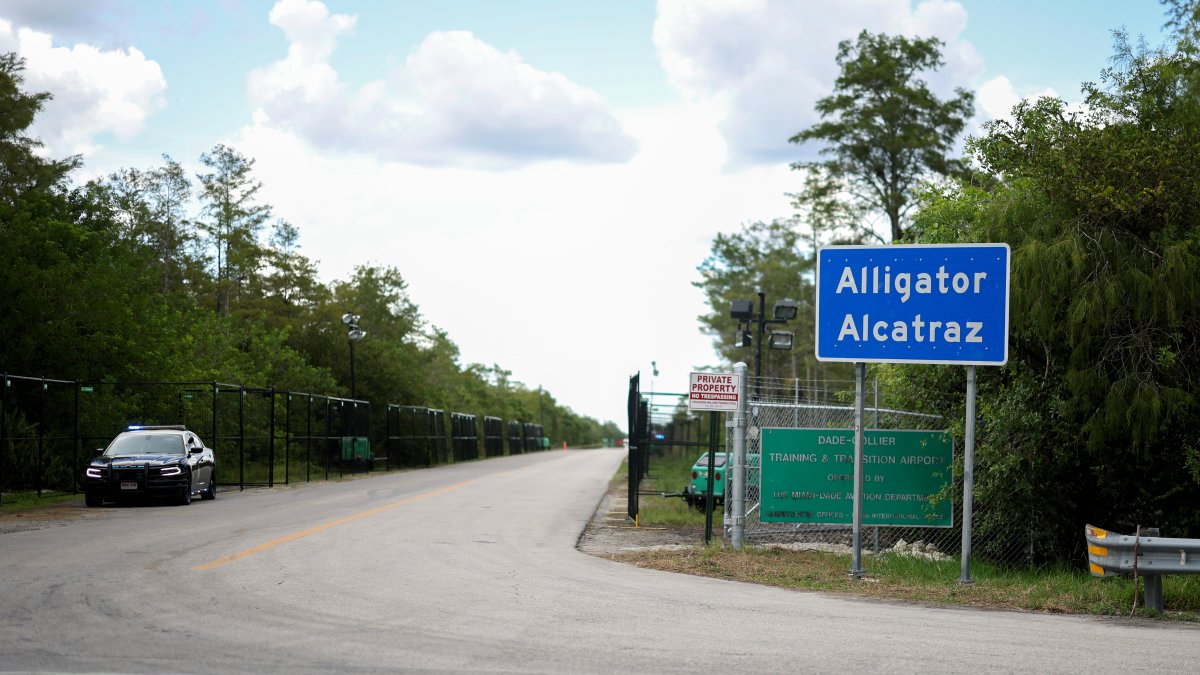
The decision to close was accelerated by a federal court ruling earlier this month. The judge dismissed Florida’s claim that the state had the inherent right to maintain the facility without explicit federal partnership. This legal wall meant that without the support of U.S. Immigration and Customs Enforcement (ICE), the facility was operating on borrowed time. Now, the logistics of moving hundreds of individuals are underway, with a hard deadline of June 30, 2026, for a total vacancy.
Key Figures
- Ron DeSantis: The Governor of Florida, who championed the facility as a central piece of his state-level immigration policy.
- Federal Judge: The unnamed presiding judge who rejected Florida's arguments, effectively pulling the plug on the center's legal life support.
- ICE Officials: Federal coordinators who are now tasked with the mass transfer of detainees to other jurisdictions.
What This Means
The closure of Alligator Alcatraz isn't just about shuttering a building; it represents a major pivot in the ongoing tug-of-war between state and federal power. For the local Florida community, it means the end of a controversial employer and a lightning rod for protests. For the detainees, it likely means being scattered to facilities in other states, potentially further away from their families and legal counsel in Florida.
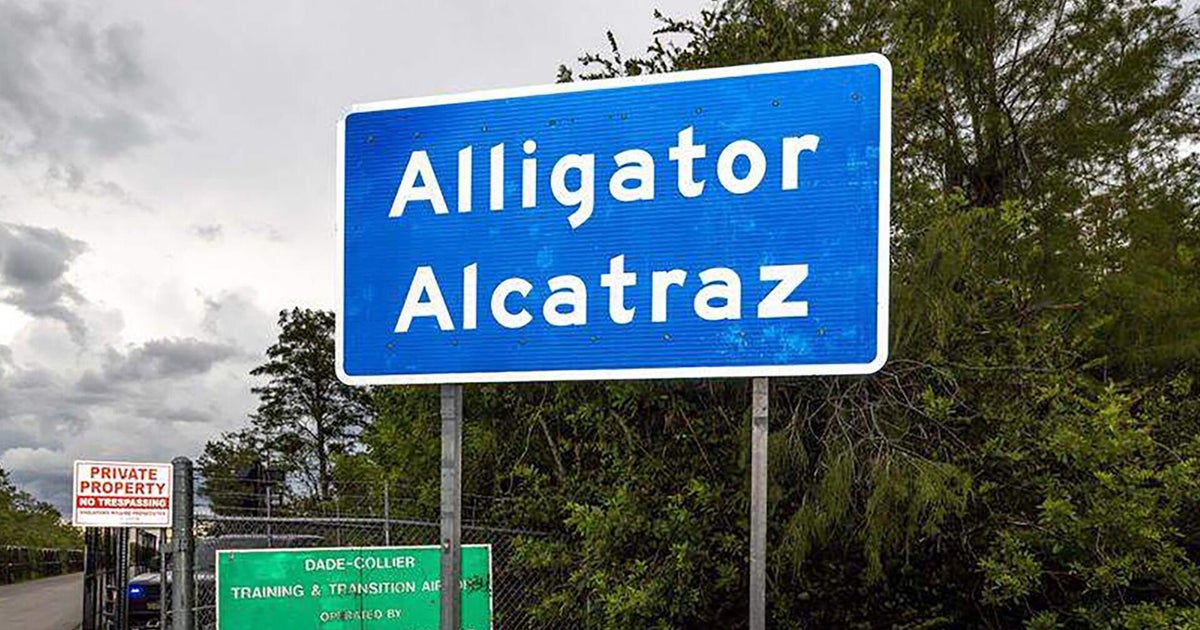
What’s interesting is how this affects the broader political landscape. By framing the closure as a planned "temporary" phase, Florida’s leadership is attempting to avoid the look of a defeat. Yet, the financial impact is real: vendors who provided food, medical care, and security are now left scrambling as their contracts vanish overnight. The writing is on the wall—Florida’s experiment with independent detention centers is facing a massive reality check.
What to Expect
Expect a surge in transport activity around the facility over the next three weeks. According to reports, detainees will be processed in waves to prevent overcrowding at receiving centers. By mid-June, the facility is expected to be at less than 20% capacity, with a final walkthrough by state officials scheduled for the last week of the month.
FAQ
Why is it called Alligator Alcatraz?
It’s a nickname given by the media and locals due to the facility's extreme isolation in the Florida Everglades and its high-security, prison-like atmosphere.
When will Alligator Alcatraz officially close?
Operations are scheduled to wrap up entirely by June 2026, with most detainees being moved out before the end of the month.
Where are the detainees going?
The individuals currently held at the facility will be transferred to other ICE-managed detention centers, likely in Georgia or Alabama.
Is the closure due to budget cuts?
No, the closure is primarily a result of a federal court ruling that rejected Florida's legal standing to operate the facility without federal authorization.
What will happen to the facility building?
Governor DeSantis has suggested it may be repurposed for state law enforcement training, though no official plan has been finalized.