
A federal judge in Washington on Wednesday denied a watchdog group’s request to immediately block the Justice Department’s nearly $1.8 billion “anti-weaponization” fund. The ruling keeps the D.C. case alive without granting emergency relief, while a separate federal court order in Virginia still blocks DOJ action on the fund until at least Friday.
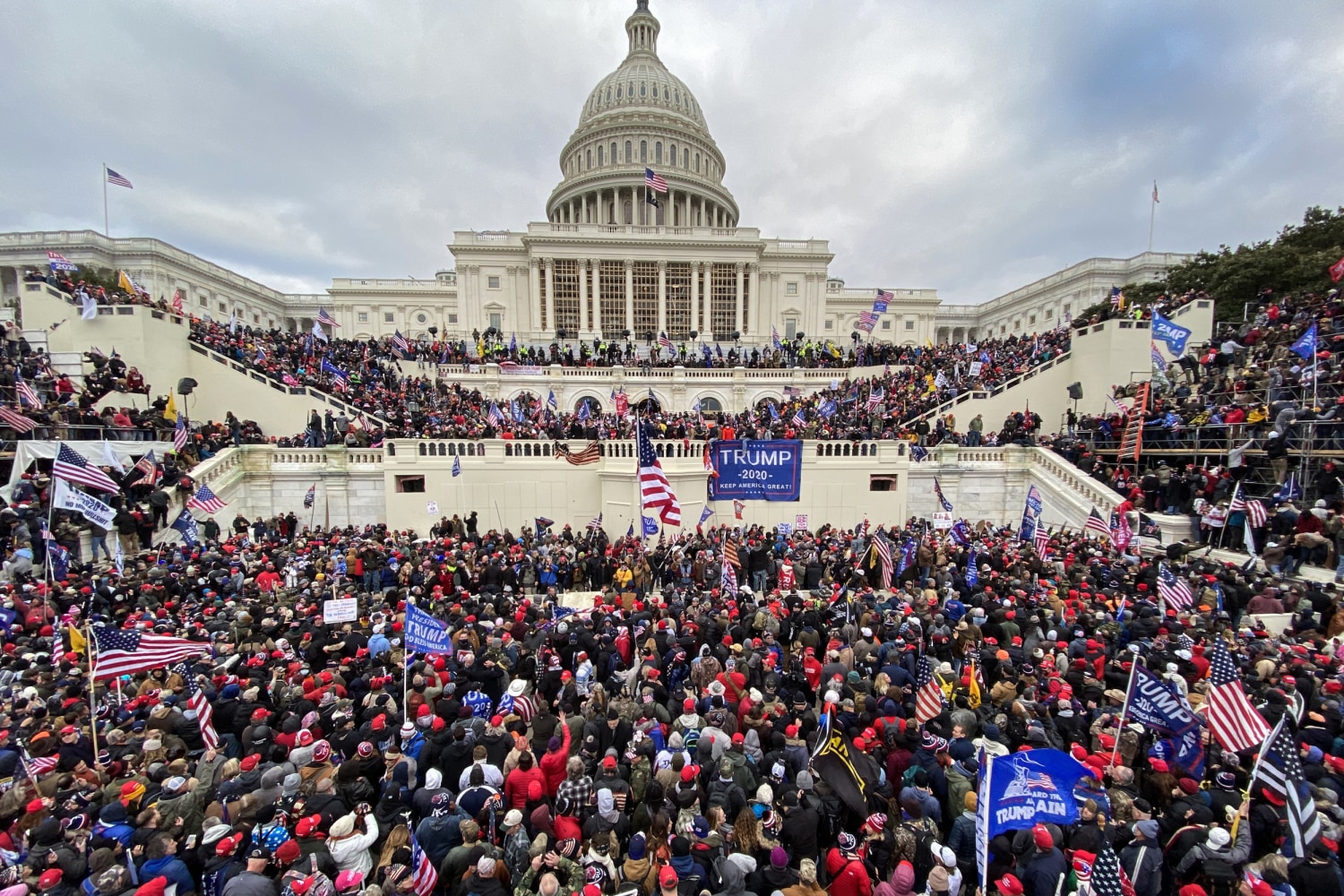
The decision puts new pressure on the Justice Department to explain whether the fund is truly dead or simply paused. For taxpayers, the fight centers on whether federal money could be used to compensate people who say they were politically targeted by the department, including people connected to Jan. 6 cases.

The Full Story
U.S. District Judge Richard Leon ruled from the bench Wednesday after a roughly 30-minute hearing in Washington, denying Citizens for Responsibility and Ethics in Washington’s request for a temporary restraining order against the Justice Department. CREW had asked the court to immediately stop DOJ from taking steps to create the fund.
The Justice Department told the court the administration was not moving forward with the fund. Government lawyer Andrew Block repeatedly pointed to Acting Attorney General Todd Blanche’s June 2 congressional testimony, where Blanche said the administration was “not moving forward” with the proposal. DOJ also said in a court filing last week that the initiative was “not going forward.”
Leon said the dispute appeared close to moot because DOJ was representing that the fund would not proceed. But he did not give the department a blank check. He warned the government directly:
Don’t play possum with this court!
CREW’s attorney, Nikhel Sus, argued that Blanche’s testimony did not amount to an official cancellation because DOJ had not rescinded the order establishing the fund in writing. Sus called that refusal “highly unusual.” Leon answered, “This whole case is highly unusual to say the least.”
The proposed fund stems from an agreement involving President Donald Trump’s private attorneys and the Trump administration after Trump, two of his sons and the Trump Organization sued over the leak of Trump’s federal tax returns. The leak case led to a five-year prison sentence for a former IRS contractor, according to the reporting provided.
Central Figures
Judge Richard Leon is the federal judge handling the D.C. request for an emergency block. His ruling did not approve the fund; it denied immediate relief because DOJ said the plan was not moving forward.
Acting Attorney General Todd Blanche is central because DOJ relied on his congressional testimony to argue there was no active fund to block. Andrew Block, the government lawyer in court, could not explain why DOJ had not simply rescinded the order creating the fund, answering, “I don’t know,” when Leon asked.
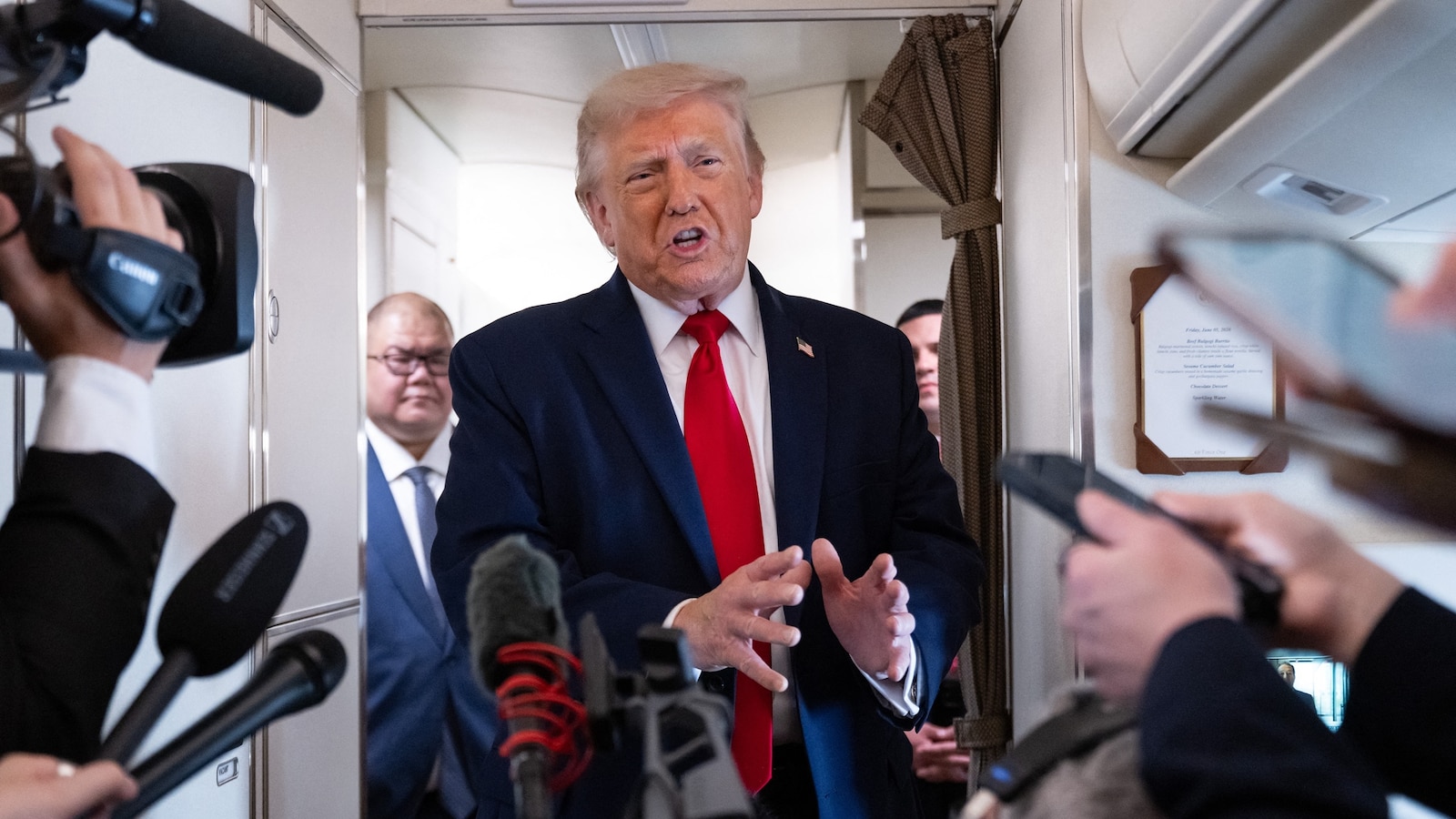
President Donald Trump remains part of the legal and political tension because he has publicly defended the idea. In an NBC News “Meet the Press” interview, Trump said, “So me, personally, I think the weaponization fund is a great idea, and so do many other Republicans.” He also said, “If it was up to me, I’d pay them the kind of money that they deserve.”
The Data
The numbers explain why the court fight has moved quickly. The fund is described as nearly $1.8 billion, a size large enough to make the dispute more than a symbolic fight over Justice Department policy.
Jan. 6 figures are also central to the public debate around possible compensation. ABC News reported that more than 1,580 people were charged criminally in federal court in connection with Jan. 6, more than 1,000 pleaded guilty, at least 221 were found guilty at contested trials, and another 40 were convicted after agreed-upon facts were accepted by the court. The Guardian reported that more than 140 law enforcement officers suffered injuries during the Capitol attack and that Trump granted pardons to about 1,500 people connected to the attack on his first day back in office.
What This Means
The D.C. ruling leaves DOJ with a narrow path: it avoided an immediate block by saying the fund is not moving forward, but the judge signaled that any quiet revival could bring the department back into trouble fast. That matters because the court did not treat public statements as a full substitute for formal action.
For the public, the core issue is accountability over taxpayer money. If a federal payout program is created, courts and watchdog groups will likely press for clear rules on who qualifies, who decides, and whether people tied to violence against police could receive funds.
The dispute also shows how court cases can turn on process as much as politics. DOJ says the fund is dead; CREW says the department should put that cancellation into binding form. Leon’s warning made clear that the difference matters.
What to Expect
Leon rejected the emergency request but indicated he is still considering CREW’s request for a longer-term block against the fund. A separate federal judge in Virginia has already temporarily blocked DOJ from taking action on the fund until at least Friday.
The next concrete development is whether the Virginia order is extended, lifted, or replaced by another court directive. DOJ may also face continued pressure to formally rescind the order that established the fund.
FAQ
What did the judge decide on the anti-weaponization fund?
Judge Richard Leon denied CREW’s request for an immediate temporary restraining order in Washington because DOJ said the nearly $1.8 billion fund is not moving forward.
Does the ruling mean the DOJ payout fund can start now?
No. The D.C. judge declined to issue an immediate block, but a separate federal judge in Virginia has temporarily blocked DOJ action on the fund until at least Friday.
Why did the judge warn DOJ not to “play possum”?
Leon warned DOJ not to mislead the court by saying the fund is dead while later reviving it. The warning came after DOJ relied on public statements and a filing instead of formally rescinding the order that created the fund.
Why is Jan. 6 part of this story?
Trump declined to definitively rule out compensation for some people charged in connection with Jan. 6, including when asked about people who assaulted police officers. That has made eligibility for any payout fund a major public concern.
What happens next in court?
Leon is still considering CREW’s request for a longer-term block, and the separate Virginia court order remains active until at least Friday.