
If you've been following the predatory real estate headlines lately, you know things have been looking grim for homeowners caught in "free money" traps. But this week, the tide finally turned in a major way across several states. In a series of high-stakes legal victories, Attorneys General have officially dismantled a massive scheme that effectively held family homes hostage for decades.
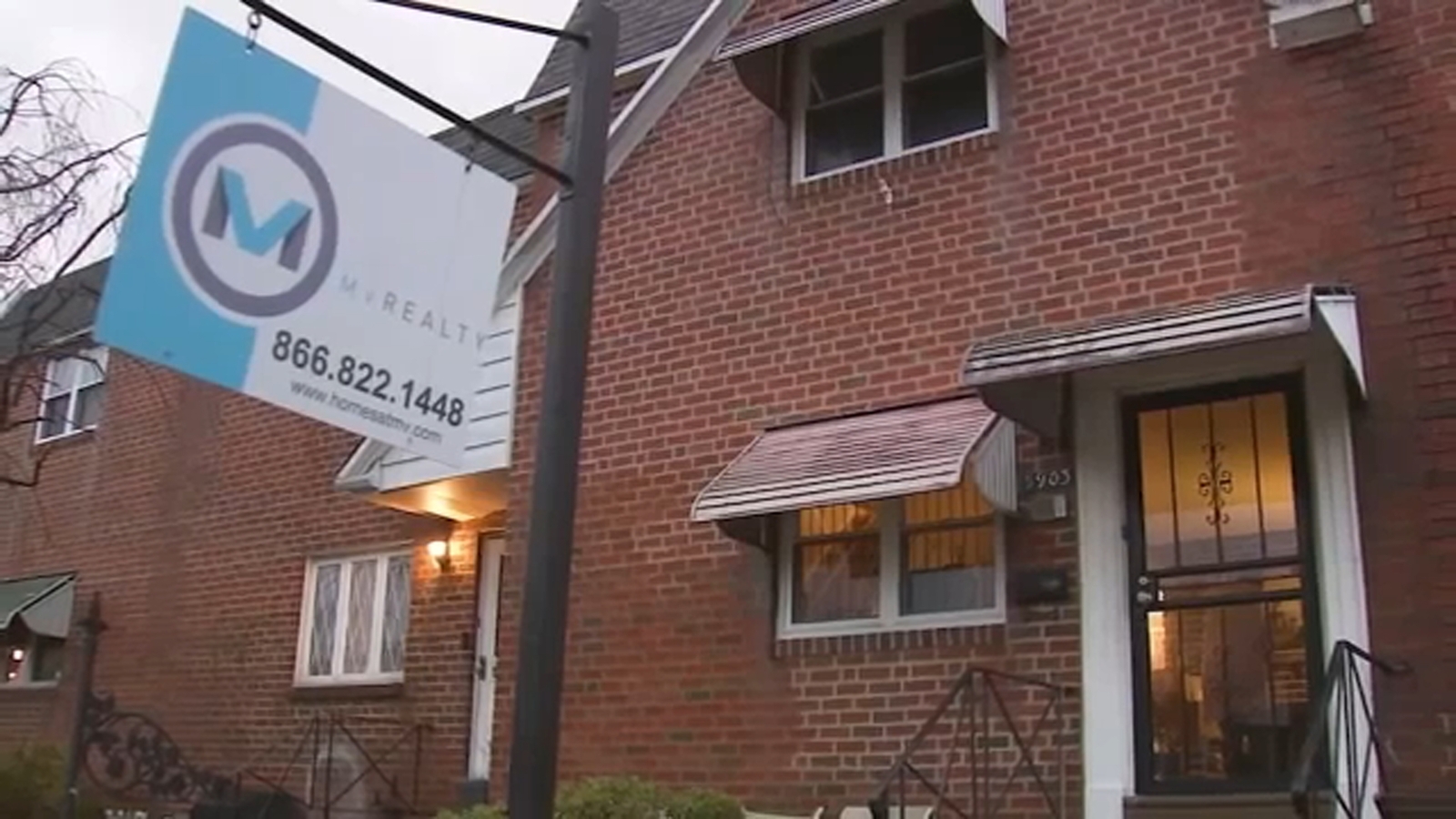
How Events Unfolded
The core of the drama centers on MV Realty and their notorious "Homeowner Benefit Program." On the surface, it sounded like a dream: the company would give homeowners a small cash payment—usually between $300 and $5,000—in exchange for a promise. The catch? If that homeowner ever wanted to sell their house within the next 40 years, they had to use MV Realty as their agent or pay a massive penalty.
What homeowners didn't realize was that the company was filing these agreements as mortgages or liens on their property titles. This effectively locked owners into a lopsided contract that outlived most careers and even some marriages. When people tried to refinance or sell independently, they found their titles clouded and their equity held for ransom.
The breaking point came after a wave of investigations, including a high-profile Action News probe, which prompted state officials to step in. This week, Pennsylvania reached a landmark settlement, followed closely by North Carolina and Colorado, effectively ending these practices and forcing the company to pay up. According to the settlement, thousands of these restrictive liens are now headed for the shredder.
Under the Surface
Why did so many people fall for this? It’s simple: the promise of "quick cash" during tough economic times is a powerful lure. The company marketed these as "benefit programs" rather than what they actually were—long-term encumbrances on the most valuable asset most Americans own.

This wasn't just a local issue. This was a sophisticated, multi-state operation that targeted vulnerable homeowners who needed immediate liquidity. By turning a simple service agreement into a 40-year property cloud, the firm exploited a loophole in real estate law that many states are now rushing to close permanently. It's a classic case of fine print that bites back.
Voices & Opinions
State officials aren't mincing words about the impact of these settlements. They view this as a clear message to any firm trying to innovate in the "predatory lending" space.
This settlement is a massive win for homeowners who were lured into these 'free money' traps only to find their most valuable asset held hostage.
In North Carolina, the sentiment was equally sharp as the company agreed to pay $4.5 million to resolve claims there. Legal experts note that while the cash settlement is significant, the real victory is the termination of the 40-year terms, which were deemed unconscionable by many consumer advocates.
Putting It in Perspective
The ripple effects of these legal wins are immediate and concrete. In Pennsylvania alone, the firm must terminate approximately 1,300 mortgages that were filed against homeowners. For those affected, this means the weight is finally lifted, allowing them to sell or refinance their homes without paying a 3% penalty on the home's value to a company that did no work to earn it.

Nationally, this marks the beginning of the end for "Homeowner Benefit Agreements." Colorado has already moved to shut down these agreements entirely and redraw limits on listing contracts. If you live in the US and own a home, this serves as a critical reminder: always have a lawyer review any document that requires a signature in exchange for cash.
Looking Ahead
The cleanup process is officially underway. Over the next few months, thousands of homeowners will receive notices that their property titles are being cleared. Attorneys General in other states are likely to use these settlements as a blueprint for their own pending cases. Meanwhile, the real estate industry is bracing for stricter regulations on long-term listing agreements to ensure this specific "trap" never makes a comeback.
FAQ
What was the MV Realty homeowner benefit program?
It was a program that offered homeowners small cash payments in exchange for an exclusive 40-year right to list their home for sale.
Is the 40-year listing agreement still legal?
In states like Pennsylvania, Colorado, and North Carolina, these agreements are being terminated or banned through recent settlements and legislation.
How many mortgages are being cancelled in Pennsylvania?
The settlement requires the company to terminate approximately 1,300 mortgages filed against local homeowners.
Will homeowners get their money back?
Yes, several settlements include multimillion-dollar funds to provide restitution to homeowners who were charged unfair fees.
What should I do if I signed one of these agreements?
You should contact your state Attorney General's office to see if you are included in the settlement and if your lien is being removed.