
The U.S. Supreme Court on Tuesday struck down federal limits on how much political parties may spend in coordination with their candidates, ruling 6-3 that the caps violated First Amendment free speech protections. The decision lands just as congressional campaigns head toward the 2026 midterm elections, giving party committees far more room to pay for ads, polling, travel, direct mail and other campaign costs alongside candidates.

The Full Story
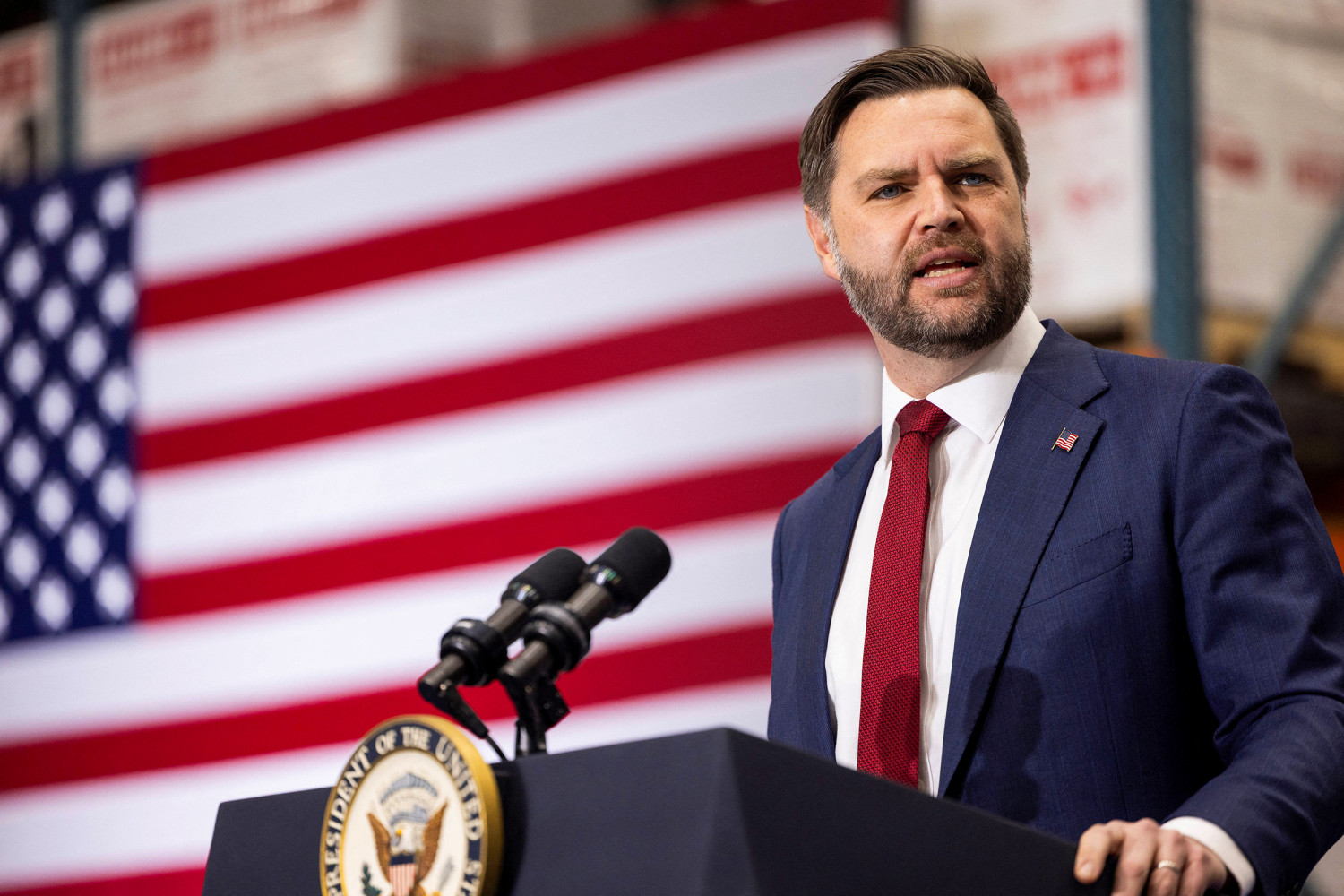
The ruling came from a Republican-led lawsuit filed in 2022 by then-Ohio Senate candidate JD Vance, then-Rep. Steve Chabot and Republican campaign committees including the National Republican Senatorial Committee and the National Republican Congressional Committee. The court rejected a provision of the Federal Election Campaign Act that had capped coordinated party spending for decades, while still allowing parties to make unlimited independent expenditures that are not coordinated with campaigns.
Justice Brett Kavanaugh wrote the majority opinion for the court’s six conservative justices. According to CNN, he said the earlier precedent had helped outside groups “gain an unwarranted and unfair advantage over competitor political parties in the political process,” and added that weakened parties distort the political system in favor of super PACs and other outside spenders. The decision overruled the 2001 case known as Colorado II, where the court had upheld limits on coordinated party spending.

The case drew a sharp dissent from Justice Elena Kagan, joined by the court’s two other liberal justices. She warned that the decision weakens protections against quid pro quo corruption, writing that the court had left a legal regime “increasingly unable to stop political corruption, and thus to preserve our institutions’ democratic legitimacy.” Mother Jones reported that Kagan also described the new arrangement as allowing a party to serve as “an alternative checking account for a campaign.”
The Trump administration’s Federal Election Commission declined to defend the challenged law, while the Democratic National Committee, Democratic Senatorial Campaign Committee and Democratic Congressional Campaign Committee intervened to defend the limits. The Supreme Court also appointed lawyer Roman Martinez to defend the provision after the FEC stepped back, according to Al Jazeera.
Key Figures
JD Vance sits at the center of the case because he was running for the U.S. Senate in Ohio when the lawsuit was filed in 2022. NBC News reported that Steve Chabot, then a Republican congressman from Ohio who lost his re-election bid, also joined the challenge.
Kavanaugh’s opinion framed political parties as central players in elections, not second-tier actors behind super PACs. Kagan’s dissent took the opposite view: coordinated spending limits existed to stop donors from using party committees to get around direct candidate contribution caps.
Republican campaign leaders celebrated the ruling. Sen. Tim Scott, chair of the NRSC, and Rep. Richard Hudson, chair of the NRCC, said the decision restored core political speech and would let parties fully support their nominees. Democrats, including DNC Chair Ken Martin, Sen. Kirsten Gillibrand and Rep. Suzan DelBene, called it “a win for billionaire donors and special interests” in their joint response.
Facts & Figures
The numbers show why the ruling matters before voters see a single new ad. The court split 6-3, with the six conservative justices in the majority and the three liberal justices dissenting. The spending caps struck down came from a campaign finance framework dating back more than 50 years, with the court also overruling a 2001 precedent.
Al Jazeera reported that in 2025, coordinated spending limits ranged from about $127,000 to $3.9 million for Senate candidates and from roughly $63,000 to $127,000 for House candidates, depending on state population and race type. NBC News similarly noted that the Senate limit could reach almost $4 million, while at-large House races could be capped at $127,000.
Party finances add another layer. The three major Republican committees ended May with $256 million in cash and no debt, more than double the roughly $126 million held by Democratic counterparts, which also carried more than $18 million in debt, according to Al Jazeera. CNN reported that the NRSC has already told supporters it is “sunsetting” its independent expenditure unit and urging candidates to lean on the party to absorb key campaign costs.
What This Means
For campaigns, the practical shift is simple: parties can now work directly with candidates on more spending without hitting the old federal ceiling. That can make ad strategy, polling, mail, travel and fundraising support easier to coordinate, especially in tight House and Senate races where small timing advantages matter.
For voters in the United States, the most visible effect is likely more political advertising. CNN reported that party committees can now take advantage of lower advertising rates available to candidates near Election Day, which may let party dollars stretch further on television and radio. That matters because the ruling does not just change legal theory; it changes what people may see and hear in competitive districts.
The decision also continues a longer Supreme Court pattern of loosening campaign finance rules, including Citizens United, which allowed corporations to spend unlimited sums in candidate elections through independent efforts. Slate argued that the new ruling may shift some power from super PACs back toward party committees, while Mother Jones framed it as another step away from Watergate-era anti-corruption rules. Those views differ, but both point to the same immediate reality: money will move differently through campaigns now.
What to Expect
Campaign committees are expected to adapt quickly before the 2026 midterms. CNN reported that both parties had been preparing for the decision, and the NRSC’s memo shows Republicans are already reorganizing how they fund campaign support.
The confirmed next phase is not another court date in the provided reports, but a new fundraising and spending environment. Candidates can now ask party committees to take on more campaign costs, and voters should expect party-backed advertising to become more closely aligned with candidate messaging in competitive congressional races.
FAQ
What did the Supreme Court decide on campaign finance?
The court struck down limits on how much political parties may spend in coordination with their candidates, finding the caps violated First Amendment protections.
How did the justices vote?
The ruling was 6-3, with the court’s six conservative justices in the majority and the three liberal justices dissenting.
Why was JD Vance involved in the case?
JD Vance was a Republican Senate candidate in Ohio in 2022 when he and Republican committees challenged the coordinated spending limits.
What spending was limited before this ruling?
Federal law capped coordinated party spending with campaigns, including expenses such as campaign support, travel, fundraising help, polling, direct mail and advertising.
Will voters see more political ads?
Yes, CNN reported that voters will likely see more political commercials as party committees coordinate directly with candidates and use lower candidate ad rates.
What is the biggest effect for the 2026 midterms?
Party committees can now spend more closely with candidates in competitive House and Senate races, changing how campaign money is deployed before Election Day.