
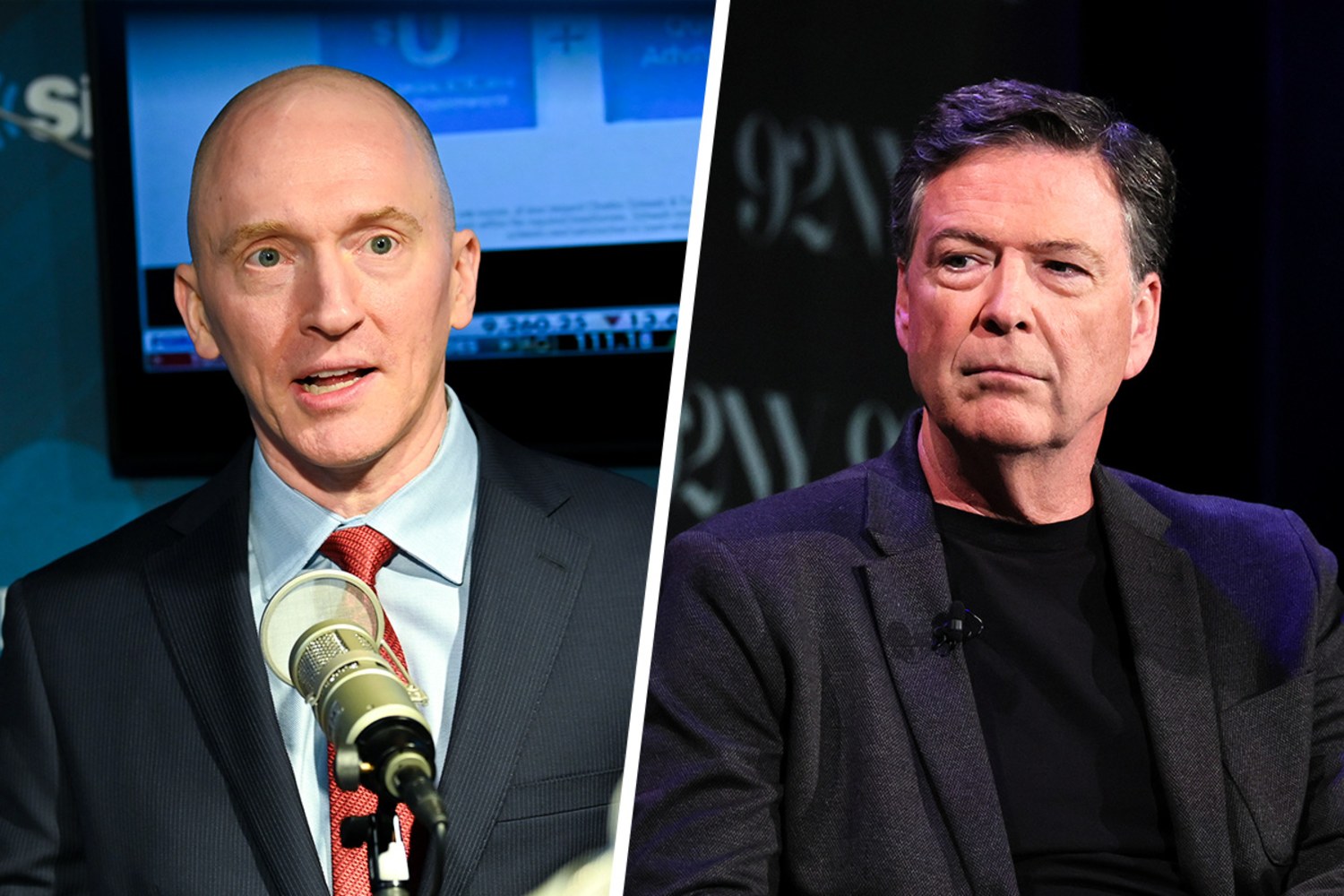
The Supreme Court moved with its usual quiet force Monday: no arguments, no long opinion, just a brief order that closed another chapter in the legal fallout from the 2016 Russia investigation. Carter Page, once a foreign-policy adviser to Donald Trump's first presidential campaign, had asked the justices to revive his lawsuit against former FBI Director James Comey and other former officials. The court declined to hear the appeal, leaving lower-court rulings in place. Justice Ketanji Brown Jackson did not take part in the case.

How Events Unfolded
Page sued Comey, former FBI Deputy Director Andrew McCabe and other former officials over surveillance tied to the FBI's investigation into Russian interference in the 2016 election. The surveillance was authorized under the Foreign Intelligence Surveillance Act, commonly known as FISA, after the FBI sought warrants from the Foreign Intelligence Surveillance Court.
The lawsuit focused on warrant applications that later drew sharp criticism from the Justice Department's internal watchdog. CBS News reported that the inspector general found 17 significant errors and omissions in the initial 2016 application and three renewal requests. Other sources described the applications as faulty, flawed or based on mistakes and errors.
Page filed his lawsuit in November 2020. A federal judge dismissed it in 2022, and the U.S. Court of Appeals for the District of Columbia Circuit affirmed the dismissal. The central barrier was timing: lower courts ruled that a three-year statute of limitations barred his claims against federal entities and FBI personnel.
By rejecting the appeal, the Supreme Court did not rule on whether Page's claims were right or wrong. It simply left the lower-court decisions standing, effectively ending his effort to hold Comey and other individual former officials personally liable through this case.
The Fine Print
The case turned less on the politics of the Russia investigation than on legal deadlines and who could be sued. CNN reported that Page argued the limitations clock should have started with the Justice Department inspector general's 2019 report. Reuters reported that the D.C. Circuit instead traced the clock to when Page first became aware of the surveillance, citing an April 2017 Washington Post article about the operation.
That distinction mattered. Page said waiting for the government watchdog report made sense because it laid out the defects in the surveillance process. He warned that the appeals court's approach created what CNN quoted him calling a “Catch-22,” where claims could be dismissed either as too speculative or too late.
Another part of the case had already ended before Monday's order. The Trump administration reached a $1.25 million settlement with Page in April over claims against the federal government. CBS News reported that the settlement covered only claims against the U.S. government, not the individual FBI officials, and that it related to a PATRIOT Act claim rather than the FISA claims still at issue in the Supreme Court appeal.
The Response
The Supreme Court gave no explanation for declining review, which is customary when the justices turn away appeals. That silence means the court did not use Page's case to clarify when surveillance-related lawsuits must be filed or how plaintiffs should handle claims that depend on later government findings.
The Justice Department had previously defended the settlement with Page in blunt terms. NBC News reported that a department spokesman said, “No American should ever face covert and unlawful surveillance based on their political view.” The statement also described Page as “a man never charged with a single crime” and said the investigation relied on flawed and uncorroborated information.
Comey's attorney, David N. Kelley, declined to comment on the settlement when it surfaced in an April Supreme Court filing, according to NBC News. Page has denied improper ties to Russia and was never charged with wrongdoing.
Putting It in Perspective
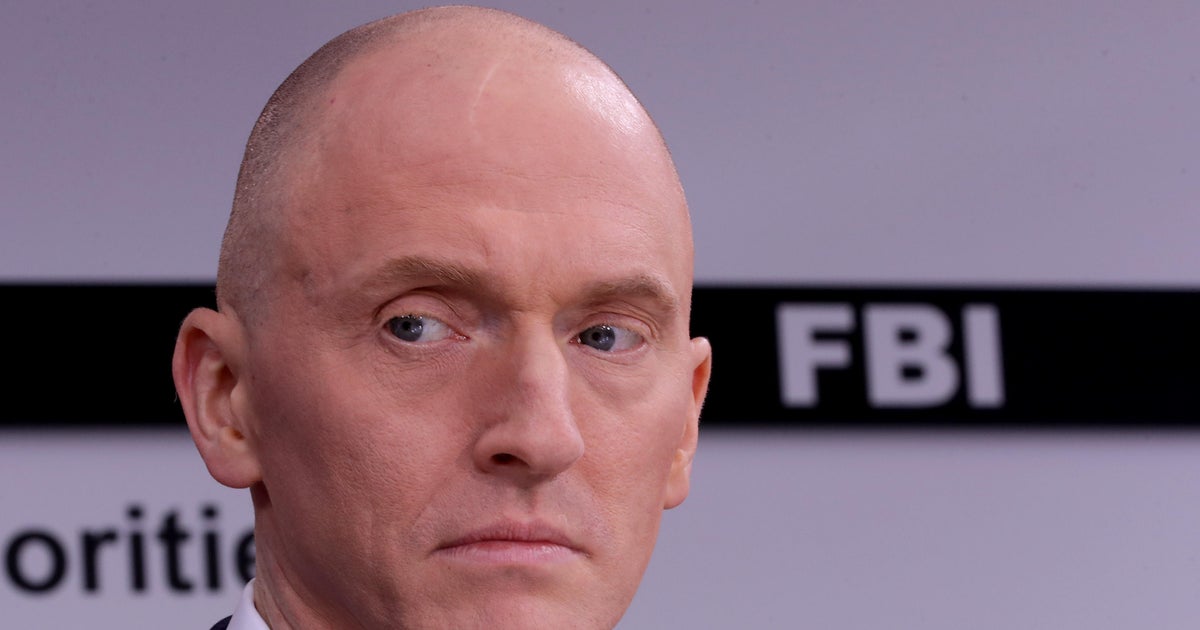
The decision matters because Page's surveillance became one of the most scrutinized pieces of the broader Trump-Russia investigation. The FBI obtained four FISA warrants to electronically monitor Page, including one in October 2016 and three in 2017. The watchdog findings later forced a public reckoning over how national-security surveillance applications are prepared and reviewed.
AP reported that former FBI and Justice Department leaders involved in signing off on the surveillance have since said they would not have done so had they known the extent of the issues. AP also reported that the FBI initiated more than 40 corrective steps aimed at improving the accuracy and thoroughness of future applications.
For readers, the practical takeaway is bigger than one lawsuit. The case shows how hard it can be to sue over secret surveillance after the fact, even when later reviews identify serious government errors. It also shows how procedural rules can decide the outcome before a court reaches the deepest factual dispute.
Looking Ahead
Monday's order leaves Page with the government settlement already reached but no revived case against Comey, McCabe and the other individual former officials named in the appeal. No further Supreme Court review is scheduled in this case.
The legal and political debate over the Russia investigation will continue, but this specific path for Page has closed. The Supreme Court's refusal to take the case keeps the D.C. Circuit's statute-of-limitations ruling intact and leaves the remaining consequences to prior settlements, watchdog findings and FBI reforms.
People Also Ask
Why did the Supreme Court reject Carter Page's appeal?
The Supreme Court declined to hear Page's appeal in a brief order, leaving lower-court rulings in place. The lower courts had ruled that a three-year statute of limitations barred his claims against former FBI officials.
Who did Carter Page sue?
Page sued former FBI Director James Comey, former FBI Deputy Director Andrew McCabe and other former officials. He also brought claims against the FBI and Justice Department, but the Trump administration settled government-related claims in April.
Was Carter Page charged with a crime?
No. Multiple provided reports state that Page was never charged with wrongdoing, and he has denied improper ties to Russia.
What was wrong with the FBI surveillance applications?
A Justice Department inspector general report found significant problems in the FISA applications used to monitor Page. CBS News reported that the watchdog identified 17 significant errors and omissions in the original application and three renewal requests.
How much did Carter Page settle for?
The Trump administration reached a $1.25 million settlement with Page in April. The settlement covered claims against the U.S. government, not the individual former FBI officials who remained part of the Supreme Court appeal.