Trump today: new passports and federal branding spark questions
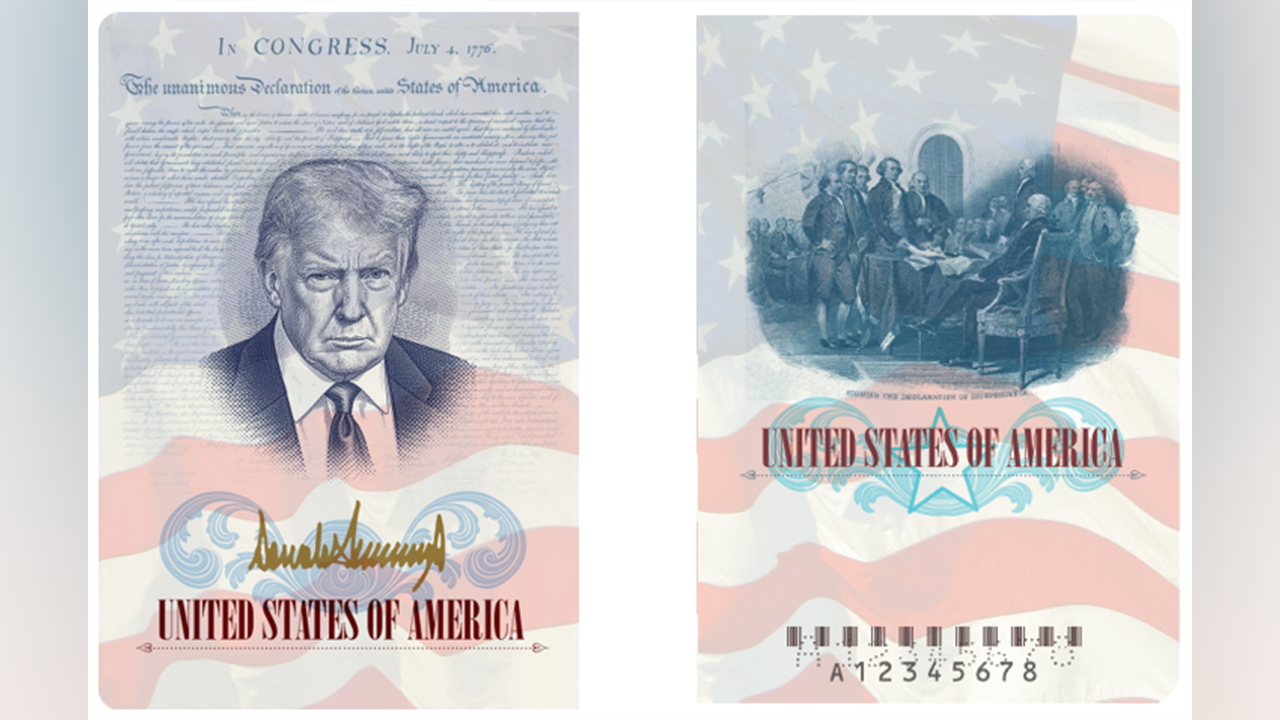
A quiet design update just turned into a loud national conversation. From passport pages to federal buildings, a familiar face — and name — is starting to show up in places Americans rarely think about. Over the past few days, officials confirmed plans for limited-edition passports tied to the America250 celebration, while separate efforts point to broader branding across government programs.
Here’s the thing: this isn’t just about aesthetics. It’s about how government identity is presented — and who gets associated with it — at a moment when politics already feels close to everything.
How Events Unfolded
The rollout began with confirmation that a limited batch of US passports would feature commemorative designs linked to the upcoming 250th anniversary of American independence. Some of those designs include imagery tied to former President Donald Trump, according to officials familiar with the plan.
At the same time, separate reporting revealed a broader push: adding Trump’s name or likeness to a range of federal touchpoints — from buildings to programs and even potential currency discussions. Not all proposals are finalized, but the direction is clear.
Meanwhile, states and political figures quickly weighed in. California Governor Gavin Newsom publicly mocked the passport idea, turning what might have been a quiet policy update into a viral moment. And just like that, it’s everywhere.
For everyday Americans, the immediate question is simple: will you be required to carry a passport with Trump’s face? So far, officials say no — these versions are limited and optional, not replacements for standard documents.
Digging Deeper
This didn’t come out of nowhere. The America250 initiative has been in motion for years, aiming to mark the nation’s 250th birthday in 2026 with events, branding, and commemorative items. Traditionally, these kinds of efforts lean heavily on historical figures — think founding fathers, major milestones, shared national symbols.
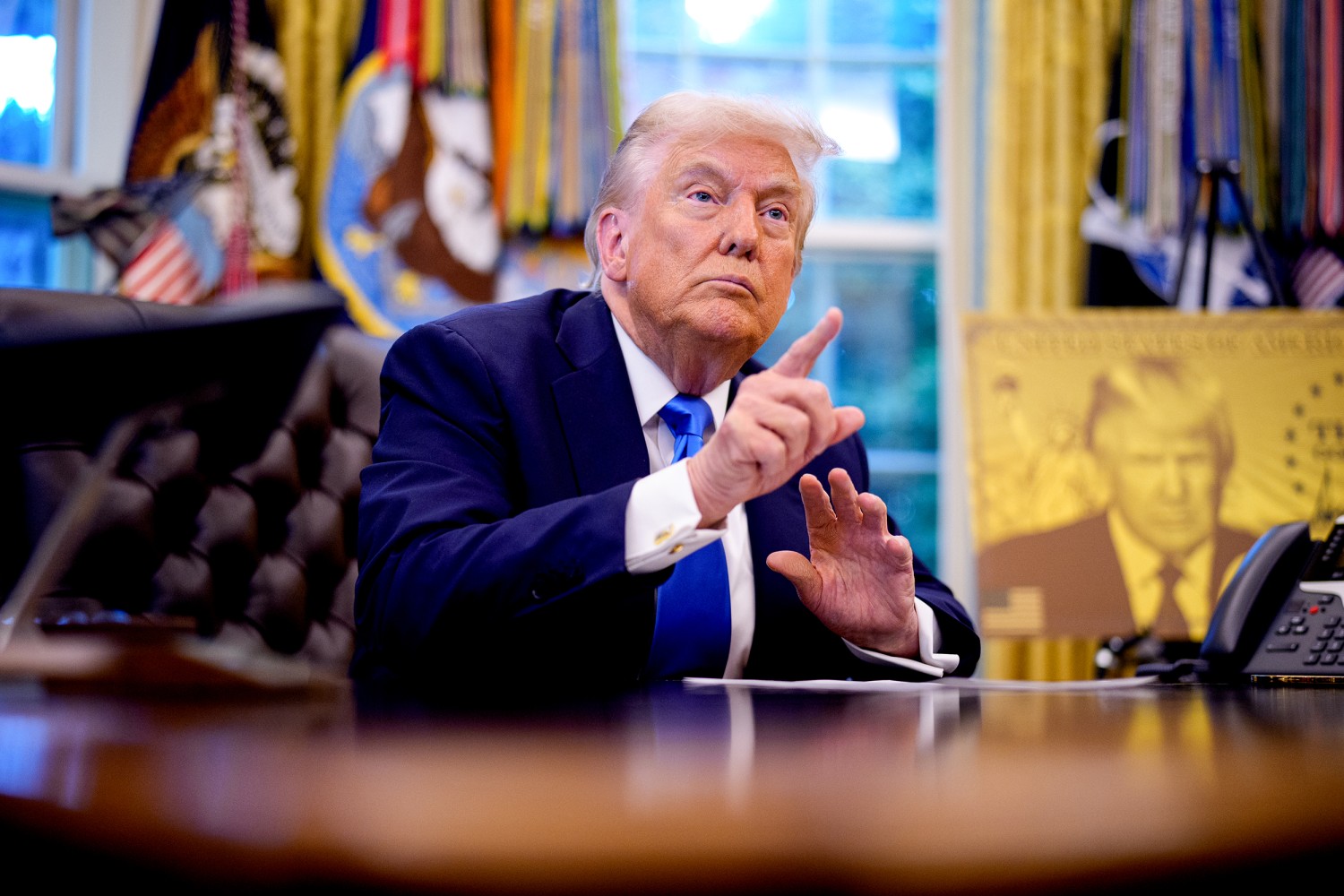
What’s different now is the inclusion of a modern political figure — and a polarizing one at that. Supporters frame it as recognition of influence. Critics see it as blurring the line between government institutions and political branding.
There’s also a practical layer. Passport design changes are rare and typically slow-moving because they affect international travel security standards. Introducing variations — even limited ones — adds complexity to production, verification, and global recognition systems.
- America250
- A federal initiative marking 250 years since US independence in 2026.
- Commemorative passport
- A limited-edition travel document design issued for symbolic or celebratory purposes.
What People Are Saying
Reactions are split, and not quietly. Some officials argue the move reflects recent history and resonates with a segment of Americans who still see Trump as a defining figure.
This is about celebrating American milestones in a way that connects with people today.
Others push back hard, warning that government-issued documents should remain politically neutral.
Passports represent the country — not one individual or administration.
Even outside politics, the reaction has been… creative. Online marketplaces have already filled with unofficial stickers and overlays, letting people customize passport designs — a sign that culture moves faster than policy.
Putting It in Perspective
For most Americans, the immediate impact is limited. You won’t be forced into a new passport design, and standard versions remain the default. But the broader shift matters.

Think about it this way: government branding shapes how institutions are perceived, both domestically and abroad. When that branding becomes tied to a specific political figure, it can influence trust, recognition, and even diplomatic tone.
We’ve seen smaller versions of this before — commemorative coins, stamps, naming rights. But expanding it into core identity documents? That’s new territory.
And if you’re traveling this summer, you might be wondering… does this change anything for me? Short answer: not yet. Long answer: it depends on how far these plans go.
Looking Ahead
Officials say the passport rollout will be limited and tied specifically to the America250 celebration timeline. No mandate, no replacement of existing passports — at least for now.
But the bigger story is still unfolding. Discussions around adding presidential branding to more federal assets are ongoing, and those decisions could shape how Americans interact with government spaces for years.
In a country where politics already feels personal, this is another reminder: even the smallest design change can carry a much bigger message.
FAQ
Do I have to get a passport with Trump’s face?
No. The commemorative versions are optional and limited. Standard passports remain available.
Why are these passports being introduced?
They are part of the America250 celebration marking 250 years of US independence.
Will this affect international travel?
No immediate changes. All passport versions must still meet global security and identification standards.
Are other government items being changed too?
Some proposals suggest broader branding across buildings and programs, but not all are confirmed.
How does this impact everyday Americans?
Right now, mostly symbolically. But it could shape how government identity is perceived over time.

Resources
Sources and references cited in this article.

