
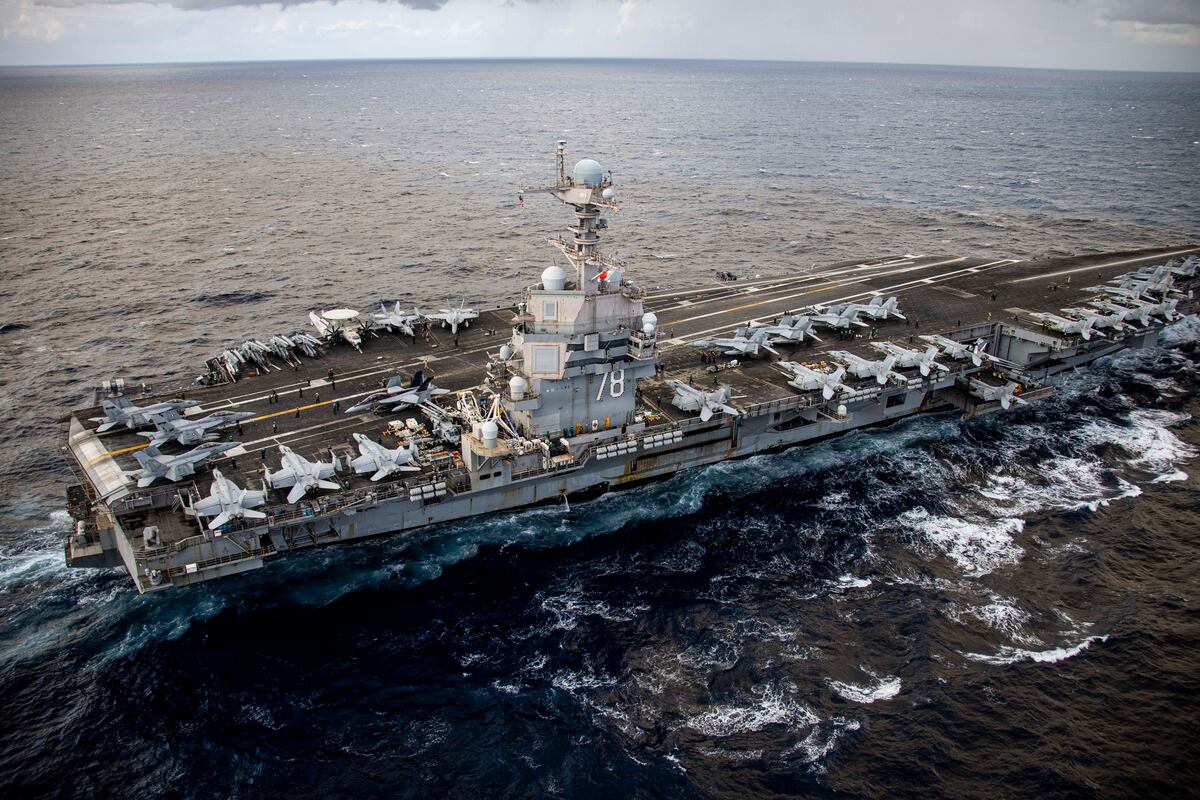
The USS Gerald R. Ford resumed operations in the Eastern Mediterranean after a brief repair stop in Croatia this week, following reports of technical and onboard issues during deployment. The Navy says the carrier remains mission-ready, even as questions linger about the scope of recent problems.

The Full Story
The Navy’s most advanced aircraft carrier, the USS Gerald R. Ford, made an unexpected stop in Croatia in late March for maintenance before heading back into the Eastern Mediterranean. Officials described the visit as brief, but it came amid growing attention on reported onboard issues — from mechanical glitches to crew living conditions.
Earlier reports pointed to a range of problems, including clogged sanitation systems, smoke-damaged areas, and disrupted onboard facilities. None of these were described as mission-ending, but they raised eyebrows about how smoothly the $13 billion carrier has been operating during a high-profile deployment.
Still, Navy leadership has pushed back on the idea that these issues signal deeper trouble. Commanders say the ship is on track for what could become a record-setting deployment, citing operational tempo and sustained presence in a strategically sensitive region.
And here’s the thing — aircraft carriers are essentially floating cities. With thousands of sailors onboard and complex systems running nonstop, minor failures are not unusual. The question isn’t whether issues happen. It’s how quickly they’re fixed and whether they affect mission readiness.
Central Figures
The USS Gerald R. Ford itself is the centerpiece — the lead ship of a new class of carriers designed to replace older Nimitz-class vessels. It represents a generational leap in naval capability, from electromagnetic aircraft launch systems to advanced radar.
Adm. Daryl Caudle, a senior Navy commander overseeing fleet operations, has been one of the key voices defending the deployment. His stance is clear: despite hiccups, the ship is performing and meeting expectations.
Behind the scenes, thousands of sailors keep the carrier running. Their experience — including reports of disrupted living conditions — adds a human layer to what might otherwise sound like a purely technical story.
The Data
- The USS Gerald R. Ford cost approximately $13 billion to build.
- It carries over 4,500 personnel including crew and air wing.
- The carrier is expected to set a record deployment duration for its class, according to Navy leadership.
What This Means
For U.S. military strategy, the Ford’s continued presence in the Mediterranean matters. The region remains tense, and carriers like this serve as both a deterrent and a rapid-response platform. Keeping it operational — even with minor issues — sends a clear signal.
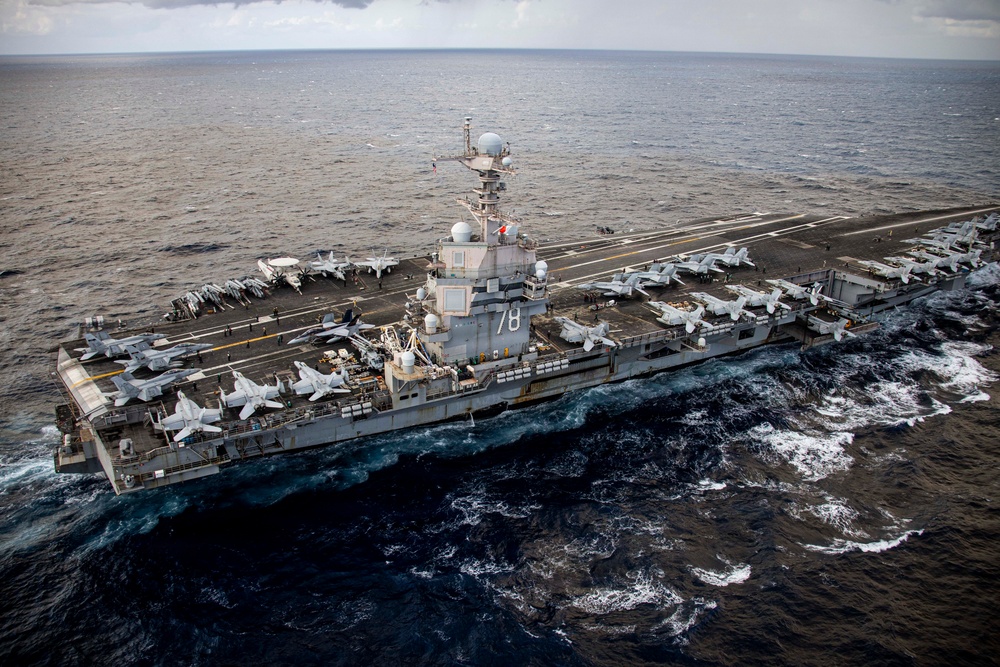
For Americans back home, the story hits a different note. This is one of the most expensive military assets ever built. When reports of clogged systems or damaged facilities surface, people naturally ask: is this what $13 billion buys?
At the same time, the Navy’s response suggests confidence. Fix the issues. Keep moving. As one might say, the show must go on.
What to Expect
The carrier is expected to continue operations in the Mediterranean as part of its deployment cycle. Navy officials will likely monitor performance closely, especially as the ship approaches potential record-setting benchmarks.
More updates could come if additional maintenance stops occur — or if the Navy releases further details about the earlier issues.
FAQ
Why did the USS Gerald R. Ford stop in Croatia?
The stop was for maintenance and repairs following minor onboard issues during deployment.
Were the problems serious?
Reports mentioned sanitation and facility issues, but officials say none affected mission readiness.
Is the carrier still operational?
Yes, it has returned to sea and continues its deployment in the Eastern Mediterranean.
Why is this deployment important?
The carrier supports U.S. military presence in a sensitive region, acting as both deterrence and rapid-response capability.
What happens next?
The ship will continue its mission, with the possibility of setting a new deployment record for its class.