
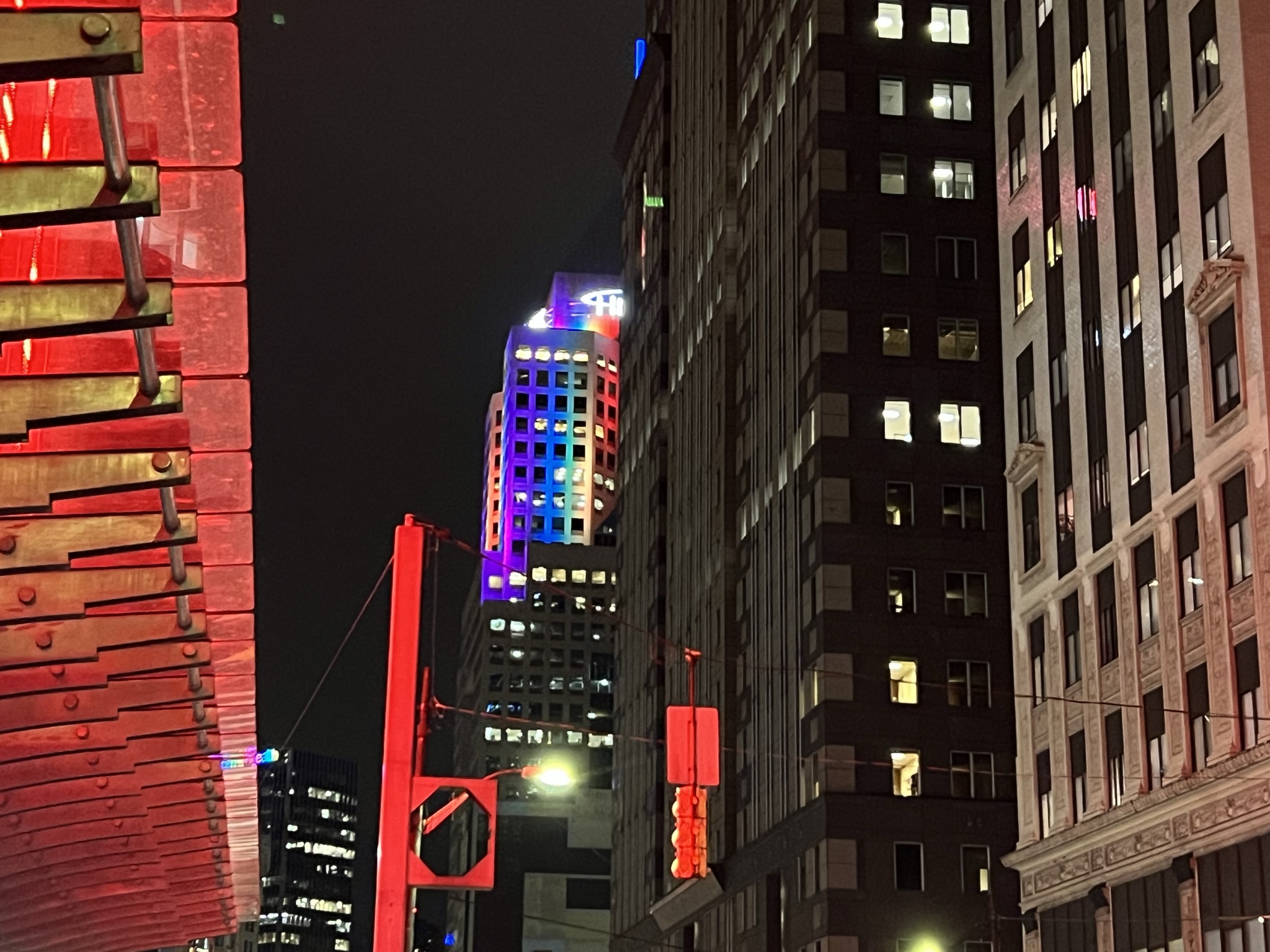
If you have noticed your local city skyline lighting up in rainbow hues or seen banners popping up along main streets this week, there is a very specific reason for it. June has officially arrived, and with it comes the return of Pride Month 2026. For millions of Americans, this thirty-day stretch is much more than just a calendar flip; it is a nationwide showcase of visibility, memory, and community strength that touches every corner of the country, from small regional towns to major metropolitan hubs.
Setting the Scene
To truly understand why June holds the absolute monopoly on these celebrations, you have to look backward. The designation is not a random marketing choice. It directly honors the Stonewall Riots of June 1969 in New York City—a critical turning point where LGBTQ+ patrons fought back against systemic police harassment. That single flashpoint transformed a fragmented underground movement into a highly organized, visible push for basic civil rights across the United States.
What began fifty-seven years ago as a series of intense, localized protests has evolved dramatically. Today, the modern landscape reflects a deep institutional shift, where corporate recognition, local government proclamations, and widespread public participation are the norm. Yet, even as the festival atmosphere grows, the underlying purpose remains tethered to that original historical push for legal protections and societal acceptance.
Here's What Happened
As the calendar turned to June 1, local municipalities and community organizations launched their official programming simultaneously. In New York's Capital Region, organizers kicked off events with flag-raising ceremonies and neighborhood block parties designed to bring local businesses and residents together. Meanwhile, thousands of miles away, regional broadcasters highlighted localized campaigns focused heavily on historical preservation and mutual aid networks.

What is particularly interesting about the 2026 landscape is how decentralized the celebrations have become. You do not have to be in Manhattan or San Francisco to see the impact. Regional hubs are stepping up with massive programming slates. For instance, across Pennsylvania, events are spanning multiple neighborhoods—stretching from urban riverfronts to community parks—ensuring that celebration and visibility are accessible to those living outside the largest coastal metros.
Furthermore, organizers are intentionally pivoting toward family-focused educational spaces. A growing segment of the month's schedule features dedicated family zones, youth storytelling hours, and inclusive sports days. This shift addresses a rising consumer demand for spaces where younger generations can learn about civil rights history in an environment that feels welcoming and safe.
Reactions & Responses
Advocates emphasize that the massive scale of these modern gatherings serves a dual purpose: celebrating how far society has progressed while providing vital resources for ongoing challenges. Local leadership teams view the public visibility as a crucial tool for community health and legislative advocacy.
Pride is about celebrating LGBTQ+ history, equality, and community, ensuring our stories are never erased.
Local authorities are also leaning heavily into the economic benefits that come with these regional gatherings. Tourism boards report massive surges in hospitality bookings as travelers seek out inclusive regional festivals. Business owners note that the foot traffic generated by neighborhood parades provides a vital mid-year economic boost to local commercial corridors.
The Bigger Picture
Look, the reality of June goes far beyond the parades and festive gear. For everyday Americans, these events create a tangible economic and social footprint. Travel analysts point out that mid-sized cities hosting localized festivals see a noticeable rise in regional tourism, proving that inclusivity is a significant economic driver. Tens of thousands of visitors fill local hotels, support independent diners, and shop at regional markets during these festival weekends.
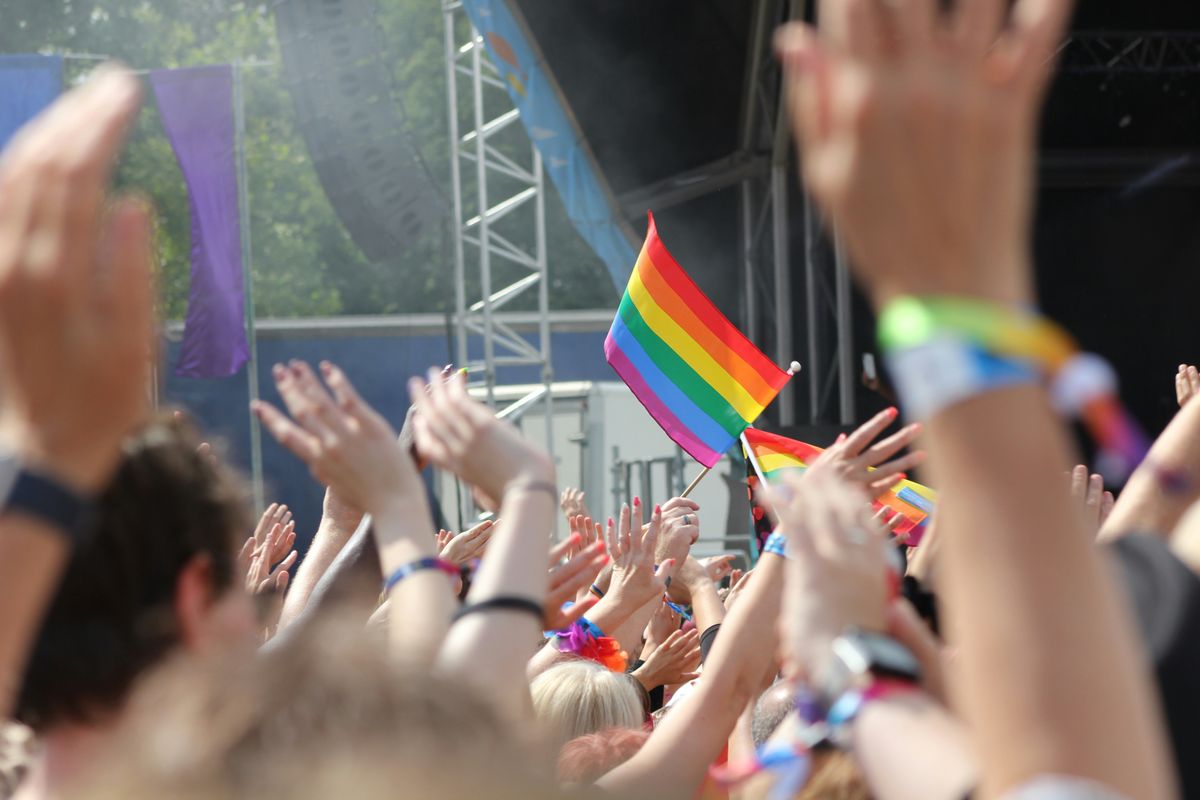
There is also a profound cause-and-effect relationship between these public events and local policy. Widespread community visibility frequently lays the groundwork for local city councils to pass non-discrimination ordinances and establish dedicated health equity programs. When communities see their neighbors showing up in massive numbers, it shifts the political needle, making local protections much more likely to succeed.
The Road Ahead
The celebrations are scheduled to run non-stop through the entire month, culminating in massive, synchronized marches in major urban centers on the final weekend of June. For those looking to participate locally, schedules, volunteer applications, and safety guidelines are already live on regional community boards.
If you are planning to attend an event in your area, checking your local city or community center website early is highly recommended to track road closures, parade routes, and transit updates. The momentum built this week is set to carry straight through to July, setting the stage for a summer of active community engagement.
Frequently Asked Questions
Why is Pride Month celebrated specifically in June?
June was chosen to commemorate the Stonewall Riots, which took place in New York City in June 1969. This event is widely recognized as the catalyst for the modern LGBTQ+ civil rights movement in the United States.
Are there family-friendly events available during the month?
Yes. The 2026 event schedules show a major increase in family-focused programming, including youth storytelling hours, community picnics, and educational workshops designed for all age groups.
How can I find local events happening in my specific area?
Local community centers, municipal government websites, and regional advocacy groups maintain updated calendars detailing parade routes, block parties, and volunteer opportunities within your specific zip code.