
Last updated: July 7, 2026, afternoon ET
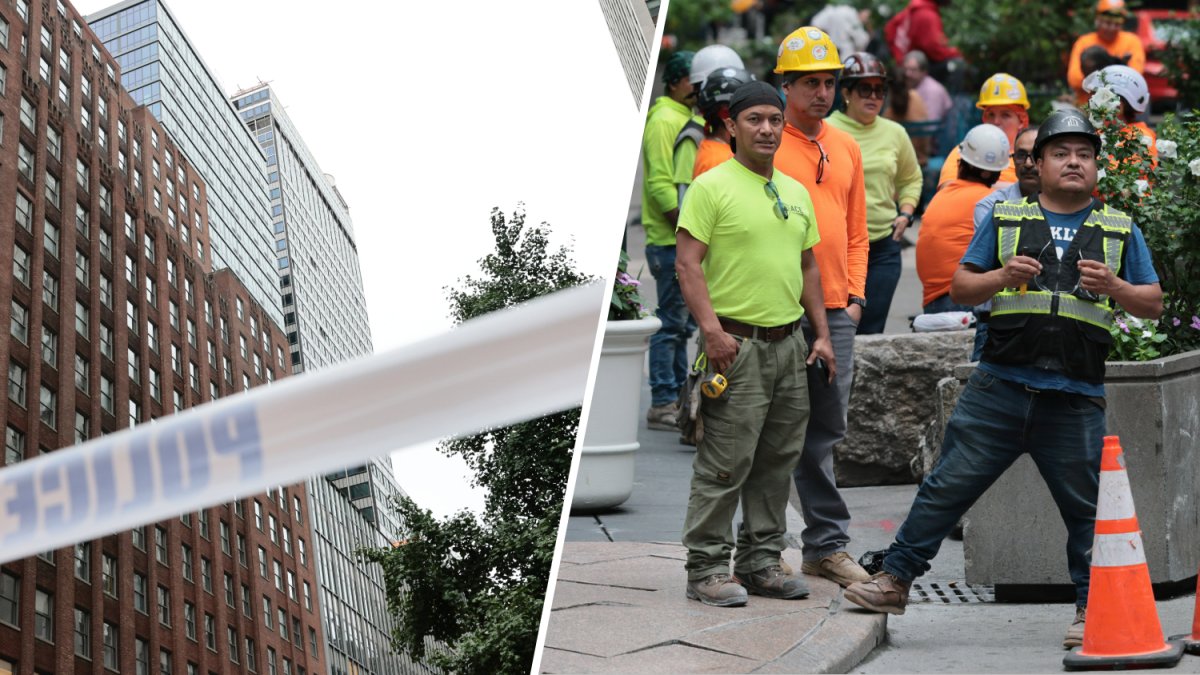
A structural emergency at 235 East 42nd Street has disrupted one of Manhattan's busiest corridors, forcing evacuations near Grand Central Terminal and closing streets to pedestrians and vehicles. Two support columns buckled during construction work, several floors sagged, and city officials warned that part of the building could collapse. No injuries have been reported, and all construction workers have been accounted for.

Behind the Headlines
The building is the former Pfizer headquarters and is being transformed from offices into a residential complex with more than 1,600 apartments. The project has been described as the largest office-to-residential conversion in New York City history, and 400 of the planned 1,602 units are earmarked as affordable housing.
The work is unusually ambitious. The site combines two buildings, and plans include adding floors to one section while redesigning the other. The project is part of a broader effort to turn vacant Manhattan offices into housing, but the conversion process can require major structural changes as residential layouts, plumbing and other systems are introduced. The New York Times reported that the project had gone through city reviews before Tuesday's emergency.
Here's What Happened
Emergency calls began around 8 a.m. Tuesday. Construction workers reported cracks and structural members beginning to buckle around the 21st floor, then evacuated themselves. Officials later said two columns had buckled and floors above the damaged area were sagging or caving under stress.
The city created a frozen zone from 40th to 45th Streets between First and Third Avenues. Nearby buildings were cleared, including a hotel and a school attended by roughly 400 children. At least nine buildings were listed among the precautionary evacuations in one FDNY account carried by CNN's live coverage.

Mayor Zohran Mamdani said crews witnessed additional movement after arriving, while Fire Department Chief John Esposito said steel beams were bending and deflecting. Structural engineers monitored the building from outside, including with drones, because conditions initially prevented personnel from entering the damaged area.
Later Tuesday, NBC New York reported that the structure had not moved since noon and that a joint Department of Buildings and FDNY team was preparing to enter and determine whether shoring work could safely begin. That update followed earlier official warnings that the structure was still moving.
Voices & Opinions
Mamdani described the emergency in direct terms as engineers tracked the building's condition.
The building remains unstable.
Esposito said the steel-frame design made a total collapse less likely, while leaving a serious risk in the damaged area.
It would not be a total collapse. It would be more of a localized collapse.
The cause has not been determined. A union representative blamed insufficient steel support, but officials had not confirmed that claim. The Department of Buildings also filed a complaint alleging construction contrary to approved plans, while the developer said it was working with the agency to understand the full scope of the situation.
The Bigger Picture
The immediate effect is concentrated in Midtown: closed streets, evacuated buildings and uncertainty for people who live, work or attend school nearby. The incident also puts attention on a major housing strategy that depends on converting outdated office space into apartments.
The project itself shows the scale of that effort: more than 1,600 planned apartments, including 400 affordable units. Tuesday's structural failure does not establish that office conversions as a category are unsafe, but it demonstrates how a problem inside one major construction site can quickly affect schools, hotels, transportation and surrounding businesses in a dense neighborhood.
Records cited by multiple outlets show a history of building violations, although the reported violations included matters such as elevator inspection filings and do not establish the cause of Tuesday's structural damage. Determining that cause will require engineers to inspect the affected floors after the structure is secured.
The Road Ahead
The next confirmed step is a direct inspection of the damaged area, followed by emergency shoring if engineers decide entry is safe. Emergency beams, columns and trusses were being prepared to support the compromised section.
Street reopenings and the return of evacuees depend on the structural assessment. The Buildings Department's investigation and complaint against the owner are also continuing.
FAQ
What happened at 235 East 42nd Street?
Two structural columns buckled during construction, several floors sagged, and officials warned of a possible localized collapse.
Was anyone injured in the Midtown building emergency?
No. Officials said all construction workers were accounted for and no injuries were reported.
What building is at 235 East 42nd Street?
It is the former Pfizer headquarters, now being converted from office space into a residential complex with more than 1,600 apartments.
Why were nearby buildings evacuated?
Officials evacuated surrounding properties because the structure was moving and a partial collapse could threaten the immediate area.
Which part of the building was damaged?
The main structural problems were reported around the 21st floor, with sagging or caving conditions affecting floors above it.
What happens next at the site?
Engineers must inspect the damaged area, determine whether shoring can safely begin and investigate what caused the structural failure.