
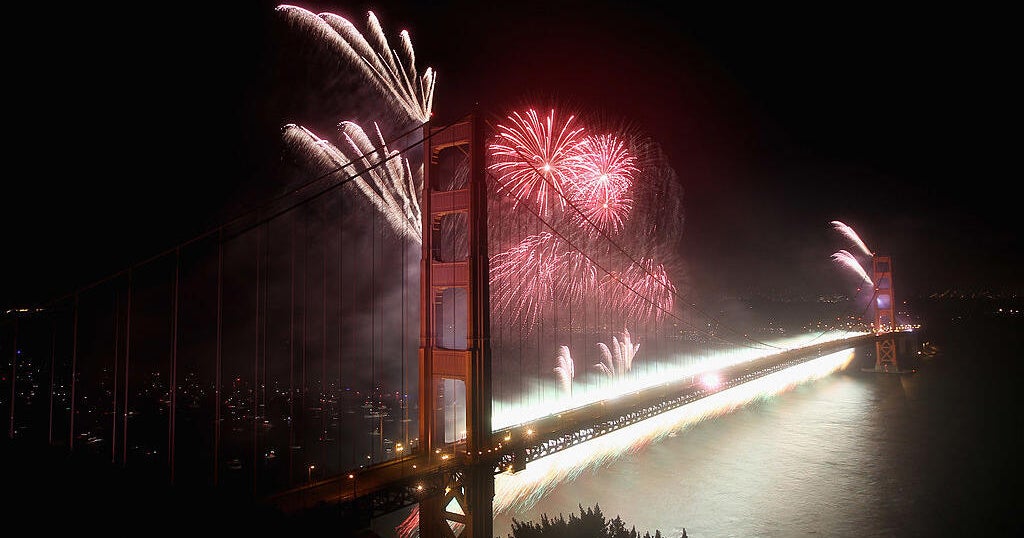
For one night, San Francisco's most famous span became part of the fireworks display itself. Bursts rose from the Golden Gate Bridge and nearby barges at 9:30 p.m. on July 4 as the country marked its 250th anniversary. The bridge was used for pyrotechnics for only the third time, turning a familiar Bay Area landmark into the centerpiece of a rare national celebration.
How Events Unfolded
The show began at 9:30 p.m., with fireworks launched from the east side of the bridge between its towers, from a barge off the bridge and from another barge near Pier 39, according to CBS San Francisco's event coverage.
To create a safety zone around the display, the Golden Gate Bridge closed to vehicles, pedestrians and bicycles from 9 p.m. to 10 p.m. Caltrans began closing lanes and ramps on U.S. 101 at 8 p.m., affecting approaches in both San Francisco and Marin County. The agency warned drivers to expect heavy congestion around the Presidio, Crissy Field, the Marina and other popular viewing areas.
The display drew unusual attention because it was only the third time organized fireworks had been staged from the bridge. The previous two were in 1987 for the bridge's 50th anniversary and in 2012 for its 75th anniversary.
San Francisco's northern waterfront became the main gathering zone. Crissy Field, Marina Green, Pier 39 and the northern Embarcadero were promoted as viewing areas, while public agencies repeatedly urged spectators to arrive early and use transit.
Under the Surface
The event was built around America's 250th anniversary, which gave San Francisco a reason to stage something far beyond a routine holiday show. The bridge itself was not just a backdrop; its use as a launch site made the celebration exceptional enough to require a full shutdown of a major regional crossing.
That decision triggered a chain of transportation changes. Caltrans directed drivers traveling between San Francisco and Marin County through the East Bay, using the Bay Bridge and Richmond-San Rafael Bridge. The official Caltrans closure plan also listed multiple ramp closures on U.S. 101 and State Route 1.

The city also reshaped transit around the waterfront. Special shuttles ran from Powell Street Station toward the Marina and from Embarcadero Station toward Pier 39, while several Muni routes were rerouted. The practical message was clear: the spectacle depended on moving huge crowds without relying on the roads surrounding the bridge.
Voices & Opinions
Officials framed the night as both a celebration and a public-safety operation. Golden Gate Bridge General Manager Denis Mulligan said the district viewed the bridge as a symbol of the community and part of the anniversary celebration.
We are proud to join the City of San Francisco and regional partners in welcoming this Fourth of July celebration to the Golden Gate Bridge.
Safety warnings extended beyond traffic. San Francisco Fire Department Rescue Captain Samuel Menchaca urged spectators not to seek views from cliffs, where steep and unstable terrain could turn a celebration into an emergency.
We want you to stay on the trails, don’t go off the trails, and if someone falls or goes down the cliff, to not go and get them and to call 911.
Putting It in Perspective
The scale of the celebration reached beyond the bridge. Officials expected extremely large crowds, businesses with bay views reported strong interest, and some fireworks cruises and Angel Island trips sold out before the holiday. The event also stood apart from the many parades, drone shows and local fireworks displays scheduled across the Bay Area.
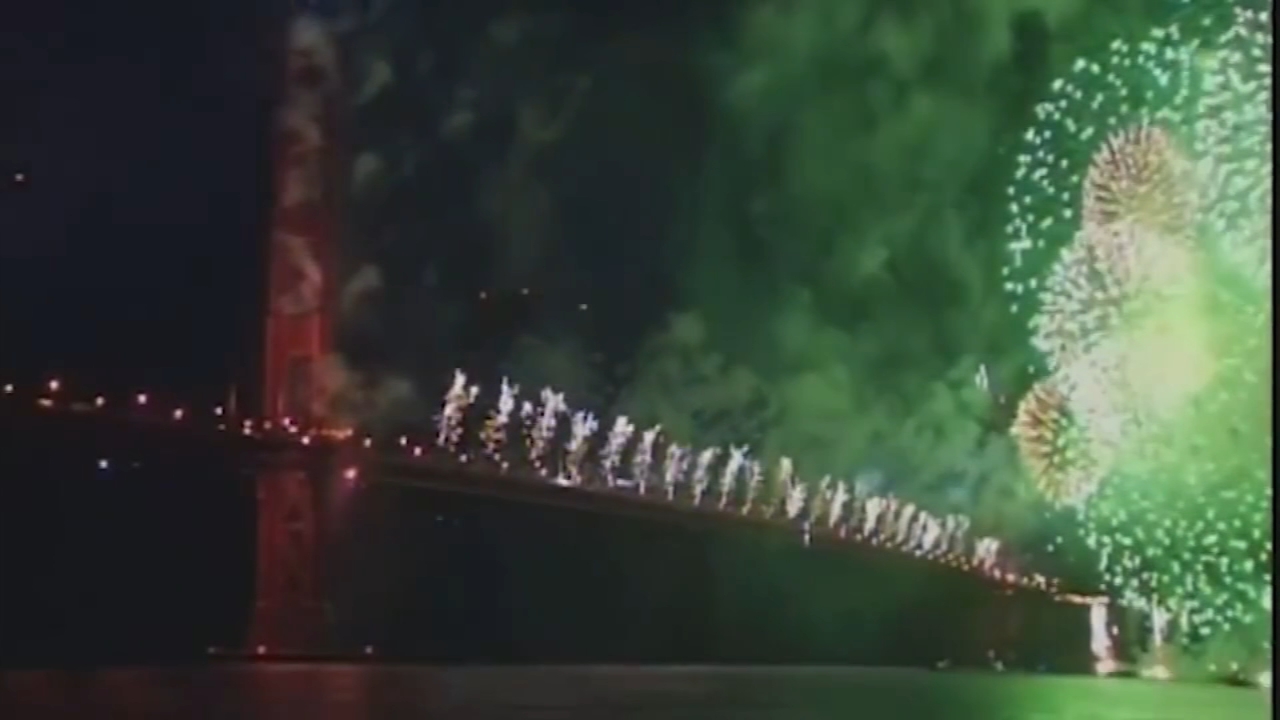
For residents and visitors, the main consequence was logistical: parking lots closed early, roads filled, and the bridge itself became unavailable during the show. But those disruptions were directly tied to what made the event rare. A fireworks display on a major transportation link can only happen when the city temporarily converts infrastructure into a performance space.
The night also showed why location mattered. Officials said the best views were on the east side of the bridge, especially from Crissy Field and Marina Green. Baker Beach, despite its proximity, sits on the west side and was not recommended as a prime viewpoint for this display.
Looking Ahead
The immediate event is over, and no future Golden Gate Bridge fireworks display is confirmed in the supplied reports. What is confirmed is that the July 4, 2026 show joined only two earlier bridge-based displays, making it a rare entry in the landmark's history.
Traffic agencies directed drivers to use real-time tools such as QuickMap and 511 during the closures, while city officials emphasized transit and designated viewing areas. Those measures offer a clear template for any future event that again places fireworks on the bridge itself.
FAQ
What time did the Golden Gate Bridge fireworks start?
The show began at 9:30 p.m. on July 4, 2026.
Why were fireworks launched from the Golden Gate Bridge?
The display marked America's 250th anniversary.
How many times has the Golden Gate Bridge hosted fireworks?
The 2026 display was the third, after shows in 1987 and 2012.
Where were the best places to watch the fireworks?
Officials recommended Crissy Field, Marina Green, Pier 39 and the northern Embarcadero.
Was the Golden Gate Bridge closed during the fireworks?
Yes. The bridge closed to vehicles, pedestrians and bicycles from 9 p.m. to 10 p.m.
Were fireworks launched only from the bridge?
No. Fireworks also launched from a barge off the bridge and another barge near Pier 39.