
Last updated: July 26, 2026, 1:31 p.m. EDT
A federal appeals court has kept President Donald Trump’s mail voting order on hold in 23 states as election officials prepare for the November 3 midterms. The 2-1 decision leaves a June injunction in place and prevents key provisions from taking effect in the states that sued. The legal fight continues, with the administration signaling that it may seek Supreme Court intervention.
What Is Happening
The Boston-based First U.S. Circuit Court of Appeals rejected the Justice Department’s request to pause a June 25 ruling by U.S. District Judge Indira Talwani. That ruling blocked major parts of Trump’s March executive order while the states’ lawsuit proceeds.
The administration argued that the case was premature because federal agencies had not completed the policies needed to carry out the directive. The panel disagreed, finding that states were already being forced to prepare for new federal requirements under fast-approaching election deadlines. The First Circuit decision therefore keeps the injunction active during the appeal.
The immediate effect is clear: the blocked rules cannot be enforced in the 23 plaintiff states or the District of Columbia before the November election unless a higher court intervenes. The ruling does not decide the lawsuit’s final outcome.
The Background
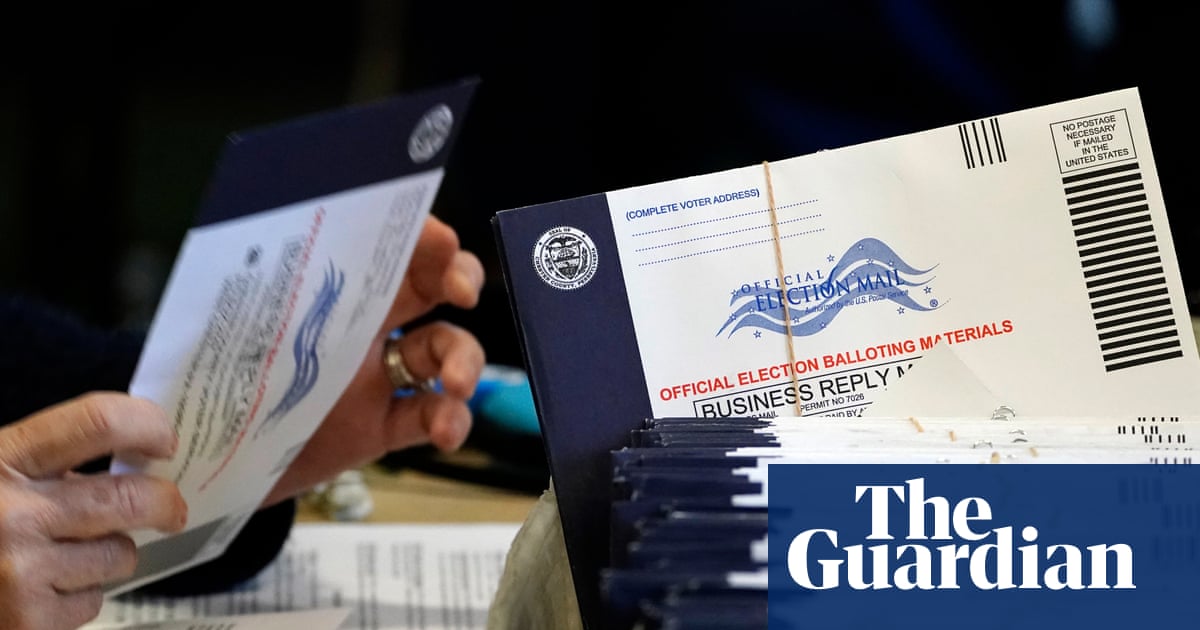
Executive Order 14399 directed federal agencies to take a larger role in how states handle voter eligibility and mail ballots. It called for federal citizenship data to be compiled into state-facing lists, required the Postal Service to deliver ballots only to voters on approved lists, and told the Justice Department to prioritize cases involving election officials who issued ballots to people deemed ineligible.
Talwani found that the president lacked authority to direct the Department of Homeland Security to create voter eligibility lists for state use and that the Postal Service lacked statutory authority to impose binding mail voting rules. Her order applied only to the coalition that sued.

The plaintiff states say state governments and Congress, not the president, control federal election rules. The administration describes the order as an election-integrity measure aimed at preventing ineligible voting.
The Postal Service had proposed rules requiring states to provide names and barcodes tied to mail ballots. According to ABC News, Postmaster General David Steiner told Congress the agency would refuse to deliver ballots in a state that did not provide the required manifest.
The Latest Development
Saturday’s ruling rejected the administration’s attempt to move ahead before the full appeal is decided. The majority said states had no practical choice but to respond immediately because officials and voters would need time to understand any new procedures.
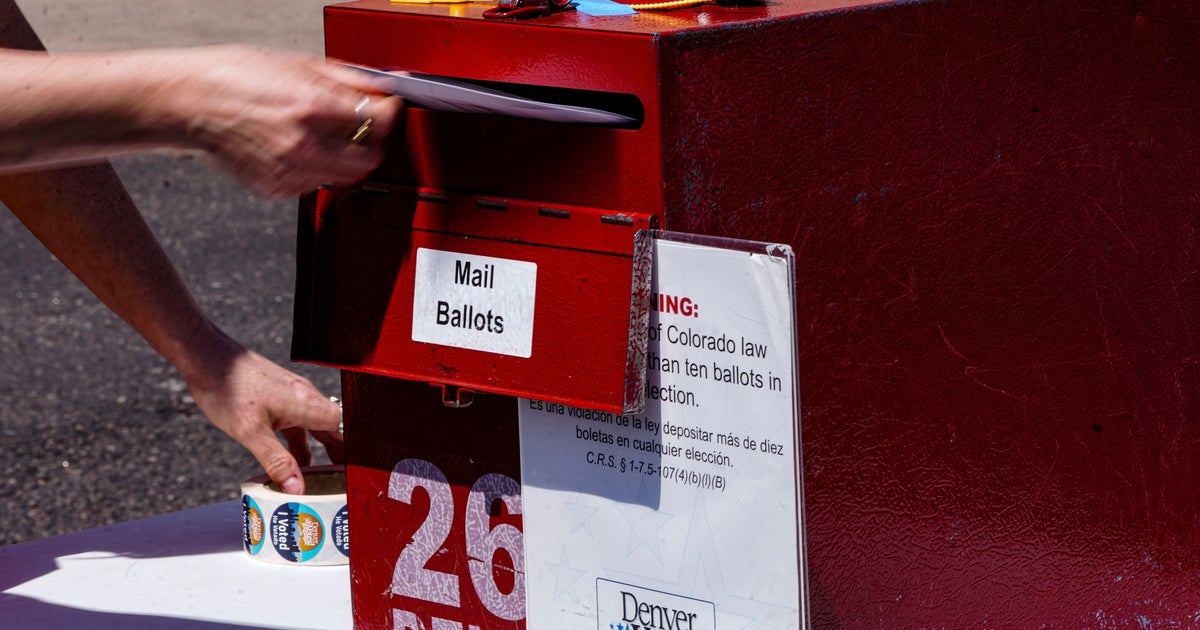
The decision also creates an uneven legal map. Another appeals court recently set aside a broader nationwide injunction, leaving the First Circuit’s order as protection only for the states in this case. The same executive order could therefore face different enforcement limits across the country.
A separate challenge led by the League of Women Voters is continuing in Massachusetts. Talwani refused to dismiss that case, with an August 7 hearing scheduled, according to Democracy Docket.
What It Means
The ruling gives election administrators in the plaintiff states more certainty as they finalize ballot systems, voter communications and staff training. They do not have to redesign mail voting operations around the blocked requirements while the appeal proceeds.
For voters, the practical issue is whether a late federal change could affect who receives a ballot or whether the Postal Service delivers it. The First Circuit said the proposed involvement could create confusion and threaten eligible voters with disenfranchisement if implemented close to the election.
The case is also a direct test of presidential power over election administration. A Supreme Court filing could put the dispute on an emergency schedule before November.
What Remains Unclear
The first unresolved question is whether the Supreme Court will be asked to intervene and, if so, whether it will allow any part of the order to take effect before Election Day.
It is also unknown whether the Postal Service will enforce its proposed ballot rules in the 27 states not covered by the Massachusetts injunction. The agency declined to discuss implementation because of the pending litigation.
The First Circuit has not decided whether Trump’s order is ultimately lawful. It ruled only that the lower-court block should remain while the appeal continues.
FAQ
What did the appeals court decide?
It kept a lower-court injunction in place, blocking key parts of Trump’s mail voting order in 23 states and the District of Columbia.
Does the ruling apply nationwide?
No. It applies only to the jurisdictions involved in the Massachusetts lawsuit.
What did Trump’s order require?
It directed federal agencies to create citizenship-based voter lists, set Postal Service delivery conditions for mail ballots and prioritize certain prosecutions of election officials.
Will mail voting rules change before November?
Not under the blocked provisions in the plaintiff states unless a higher court changes the injunction. The situation elsewhere is unresolved.
Could the Supreme Court take the case?
Yes. The Justice Department has indicated it may seek emergency relief from the Supreme Court.
When are the 2026 midterm elections?
The federal midterm elections are scheduled for November 3, 2026.