
Last updated: August 13, 2026
6 key concerns emerging from the USS Abraham Lincoln's extended deployment
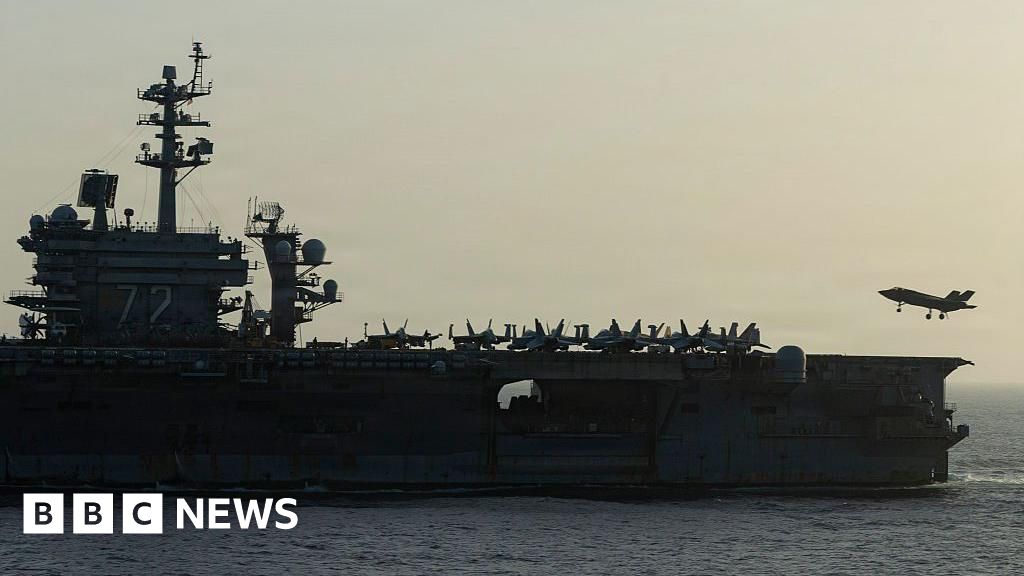
Defense Secretary Pete Hegseth on Thursday dismissed reports describing severe supply shortages, broken plumbing, and mental health struggles aboard the USS Abraham Lincoln as "completely misrepresented." The nuclear-powered aircraft carrier has been at sea in the Middle East for more than 250 days, triggering formal congressional inquiries into conditions on board. The growing controversy comes as lawmakers question the physical and operational strain placed on military personnel during extended combat missions.
Why This Is Trending
Search interest surrounding the USS Abraham Lincoln surged after reports surfaced detailing harsh living conditions and mental health emergencies among the roughly 5,000 personnel on board. The carrier left San Diego in November for the South China Sea before redirecting to the Middle East ahead of military action in February. Concerns escalated following revelations that a sailor went overboard last month, prompting Connecticut Senator Richard Blumenthal to demand answers from military leadership.
What Happened
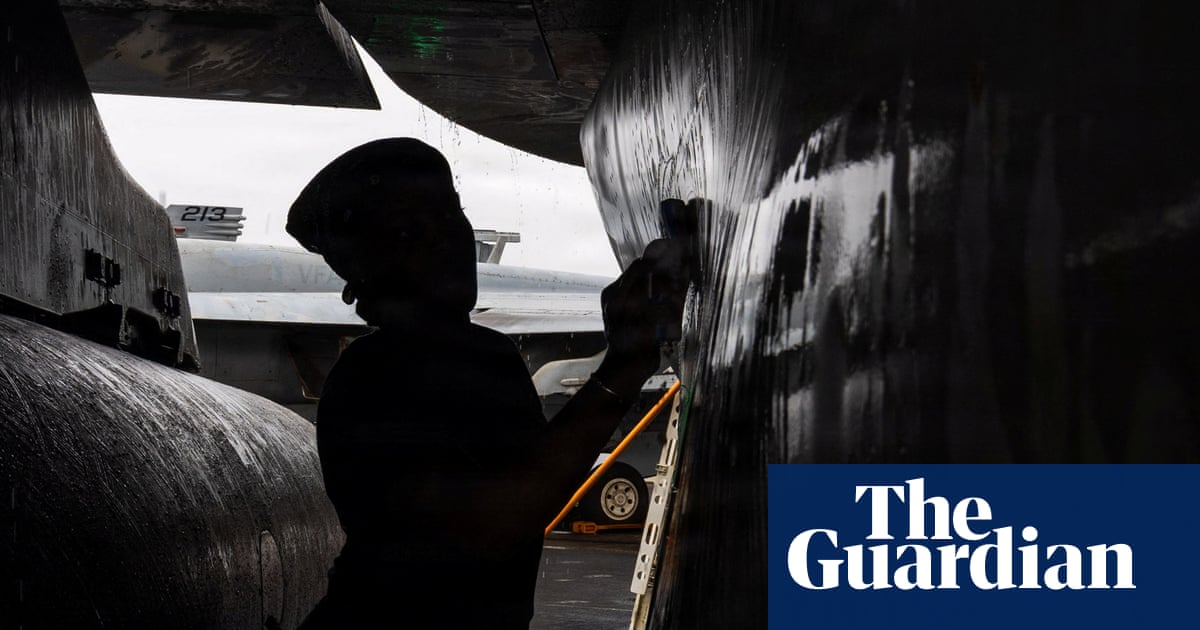
Family members and news outlets reported widespread operational breakdowns on the carrier, including water contamination, non-functional plumbing, deck safety risks, and lost mail transit lasting months. Reports from military publications also indicated that multiple service members experienced severe mental health crises, including suicide attempts and considerations of jumping overboard. A Navy official acknowledged that a sailor was safely recovered after going overboard last month under circumstances currently under investigation.
What We Know So Far
The Pentagon pushes back against the claims of systematic neglect. Speaking to reporters in Panama, Defense Secretary Pete Hegseth defended the administration's support for deployed forces during prolonged missions. Navy officials stated that basic needs remain intact despite combat-driven disruptions to supply routes.
We make sure every ship, every crew, every captain has everything we can provide them at every single moment.
Navy officials confirmed that combat operations temporarily disrupted standard logistics pipelines, forcing leadership to prioritize high-value materials. Officials stated that delivery priorities are structured around first food, then hygiene items, then mail, while asserting that the crew maintains constant access to clean water, operational air conditioning, and healthy meals.
Why It Matters
The situation highlights broader operational challenges facing the Navy as high-tempo missions strain limited fleet resources. Senator Richard Blumenthal sent a formal inquiry to Hegseth and Acting Navy Secretary Hung Cao, questioning whether current deployment schedules are sustainable. The probe directly links onboard conditions to military readiness and personnel retention, pressing officials to disclose how fatigue and morale are monitored across carrier strike groups.
What Happens Next
Defense officials have been given a deadline of August 27 to respond to Congress with specific metrics on crew fatigue, mental health tracking, and supply management. Meanwhile, reports indicate the U.S. is preparing to rotate the carrier force by replacing the USS Abraham Lincoln with the USS George Washington as part of a scheduled transition plan.
Frequently Asked Questions
How long has the USS Abraham Lincoln been deployed?
The carrier departed San Diego in November and has been deployed at sea for more than 250 days, exceeding its original scheduled return date of May.
How many people are on board the USS Abraham Lincoln?
Approximately 5,000 military personnel are currently stationed aboard the aircraft carrier.
What issues were raised in Congress regarding the ship?
Senator Richard Blumenthal cited reports of water contamination, supply shortages, disrupted mail delivery, deck safety concerns, and worsening mental health among the crew.
What is the official Navy response to the living condition reports?
The Navy stated that core supplies like clean water, air conditioning, and food remain continuous, though combat actions temporarily impacted general supply lines.