
Shipping containers sit tightly stacked at busy port terminals across the country as businesses brace for yet another major shift in federal trade enforcement. President Donald Trump has rolled out a sweeping new wave of import taxes targeting dozens of key economic partners. The immediate action replaces expiring temporary duties and sets up a high-stakes legal clash over how executive authority is used on international trade.
Why This Is Trending
The White House has enacted new double-digit import duties on 60 to more than 80 trading partners, which account for roughly 99% of all U.S. imports. The new rates of 10% to 12.5% took effect right as a temporary 10% global tariff reached its legal time limit and expired. The announcement immediately sparked intense pushback from major foreign allies and triggered fresh federal lawsuits from American small businesses.
What Happened
The administration imposed the duties using Section 301 of the Trade Act of 1974, asserting that the targeted nations failed to enact or effectively enforce import bans on goods produced with forced labor. Seventeen trading partners that pledged to enforce forced-labor prohibitions—including Argentina, Taiwan, and the 27-nation European Union—face a 10% rate. All other targeted partners face a higher 12.5% rate, including Brazil, China, and Australia.
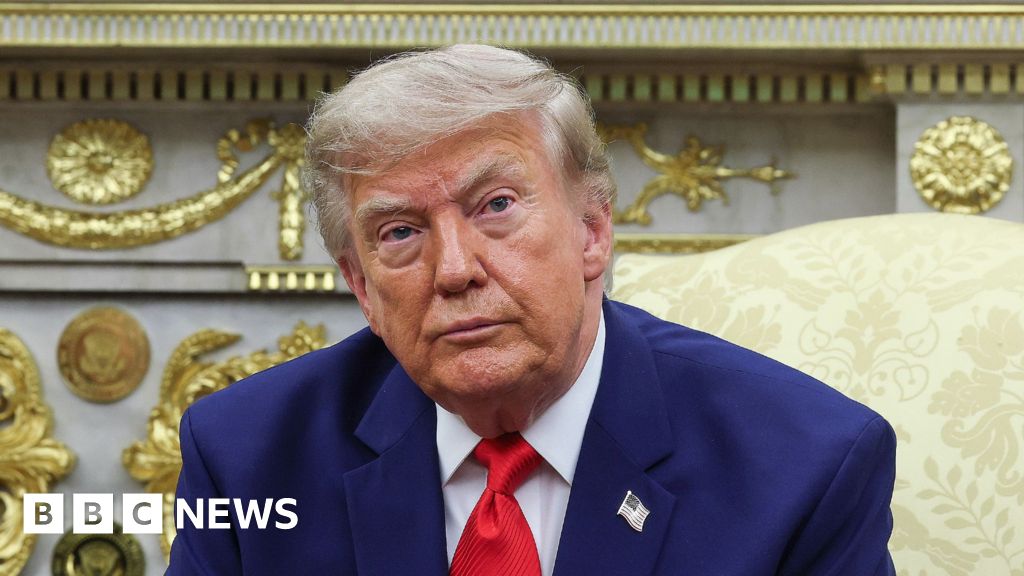
Foreign governments and domestic business groups swiftly rejected the forced-labor rationale. Critics argue the policy serves as a legal workaround after the U.S. Supreme Court struck down earlier emergency-powers tariffs in February. In an interview with Fox News, President Trump acknowledged the tactical shift:
It's a shame that I have to go a harder way for the tariffs because the Supreme Court, in a very close decision, you know, ruled against me. Now, I have other ways of doing the same thing, but it's a more cumbersome, you know, way of doing it.

What We Know So Far
The Office of the United States Trade Representative (USTR) stated it held public hearings and received over 2,100 public comments during a four-month investigation. However, officials provided few confidential details on how specific tariff levels were calculated for each country.
- New Tariff Structure: A baseline 10% fee applies to countries meeting forced-labor commitments, while a 12.5% fee applies to those that do not.
- Targeted Coverage: Affected partners represent 99.4% of U.S. imports, though exemptions exist for fuel, fertilizer, select food items, and USMCA-compliant goods.
- Legal Challenges: The public interest law firm Liberty Justice Center filed a federal lawsuit on behalf of small importers like Burlap & Barrel, Collective Horology, and toymaker Learning Resources, arguing the executive branch stretched Section 301 beyond congressional intent.
- Revenue Impact: According to estimates from the Committee for a Responsible Federal Budget, preserving these import taxes could generate up to $900 billion in federal tax revenue over ten years.
- Section 301
- A provision of the Trade Act of 1974 authorizing the U.S. president to impose trade sanctions or tariffs against foreign countries engaging in unjustifiable or discriminatory trade practices.
- Forced Labor Import Ban
- Statutory prohibitions, such as those in the Tariff Act of 1930 and the 2021 Uyghur Forced Labor Prevention Act, that block goods manufactured with forced or indentured labor from entering domestic commerce.
Why It Matters
For everyday consumers and businesses in the United States, the shift preserves an elevated baseline for import costs. Prior to the rule change, the overall average U.S. tariff rate stood at 11.4% before dipping slightly to 11.1%, according to data from the Yale Budget Lab. While product carve-outs soften the blow on some everyday goods, small importers face steep financial overhead. Collective Horology co-founder Asher Rapkin noted that previous tariff iterations cost his luxury watch retail business over $160,000, constraining operational growth on items sourced from Switzerland with no domestic manufacturing alternative.
What Happens Next
Legal battles will move quickly through federal courts as judges evaluate whether Section 301 permits a nationwide, multi-country action or if Congress intended it solely for targeted, single-nation disputes. Abroad, foreign governments continue to challenge the designations, with trade leaders in Australia, Brazil, and Japan signaling efforts to lobby Washington or seek alternative bilateral agreements to protect their export sectors.
Frequently Asked Questions
Which countries face the new 12.5% tariff rate?
Countries that the U.S. determined have not effectively enacted or enforced forced-labor import bans face the 12.5% rate, including Australia, Brazil, and China.
Why did the White House switch to Section 301 for tariffs?
After the Supreme Court invalidated prior emergency-powers tariffs, the administration utilized Section 301 of the Trade Act of 1974 to establish a durable legal framework for import levies.
Are any items exempt from the new tariffs?
Yes, specific exemptions exist for fuels, fertilizers, certain food products, and items fully compliant with the United States-Mexico-Canada Agreement (USMCA).