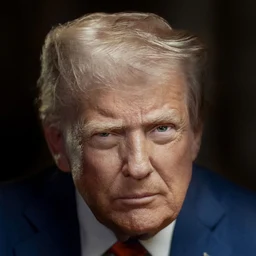
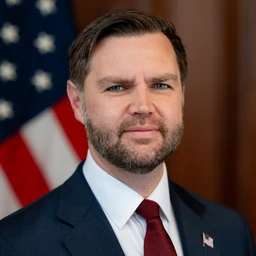
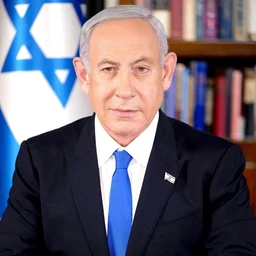
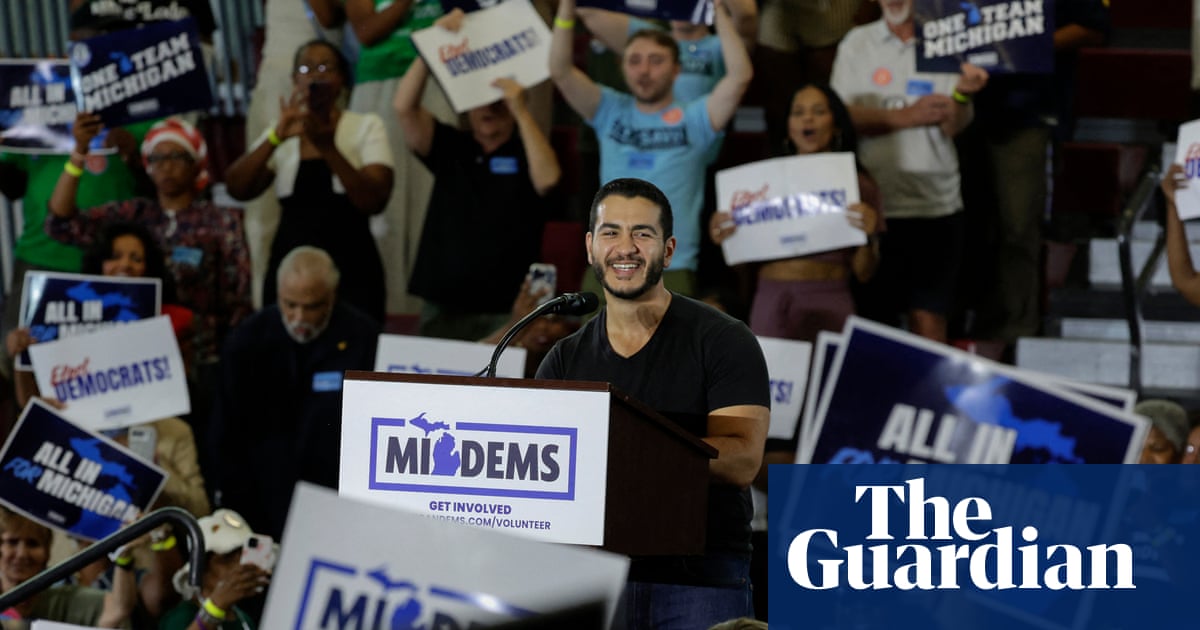
Michigan Senator-elect Abdul El-Sayed is preparing to enter the U.S. Senate with an unusual opening for cooperation with President Donald Trump: ending American military aid to Israel. The Democrat has welcomed Trump's announcement that the assistance will end this year, even as he continues to challenge Israel's policies and the political influence of pro-Israel lobbying groups. His comments come alongside plans for a meeting with Vice President JD Vance and renewed scrutiny of his position on Israel's national identity. Together, the developments offer an early picture of how El-Sayed intends to approach foreign policy and bipartisan negotiations in Washington.
What Happened
El-Sayed welcomed Trump's election-day announcement that the United States would end military aid to Israel at the close of 2026 under an agreement with Israeli Prime Minister Benjamin Netanyahu.
In an interview with The Guardian, El-Sayed said he supported ending unconditional military assistance not only to Israel but also to Egypt, Saudi Arabia and Pakistan.
His position goes beyond funding. He wants Washington to stop shielding Israel from scrutiny at the United Nations, International Criminal Court and International Court of Justice.
Separately, El-Sayed confirmed that Vance's chief of staff contacted him after his election victory to arrange a meeting. The senator-elect did not disclose the meeting's agenda.
These exchanges are notable because Vance repeatedly criticized El-Sayed during the campaign. Their willingness to communicate after the election creates an opportunity for negotiations without establishing agreement on broader policy.
The Countries and Players Involved
The central governments are the United States and Israel, with Trump, Netanyahu and El-Sayed representing different positions in the debate over military assistance and accountability.
El-Sayed has also called for ending unconditional aid to Egypt, Saudi Arabia and Pakistan, expanding the discussion beyond the Israeli-Palestinian conflict.
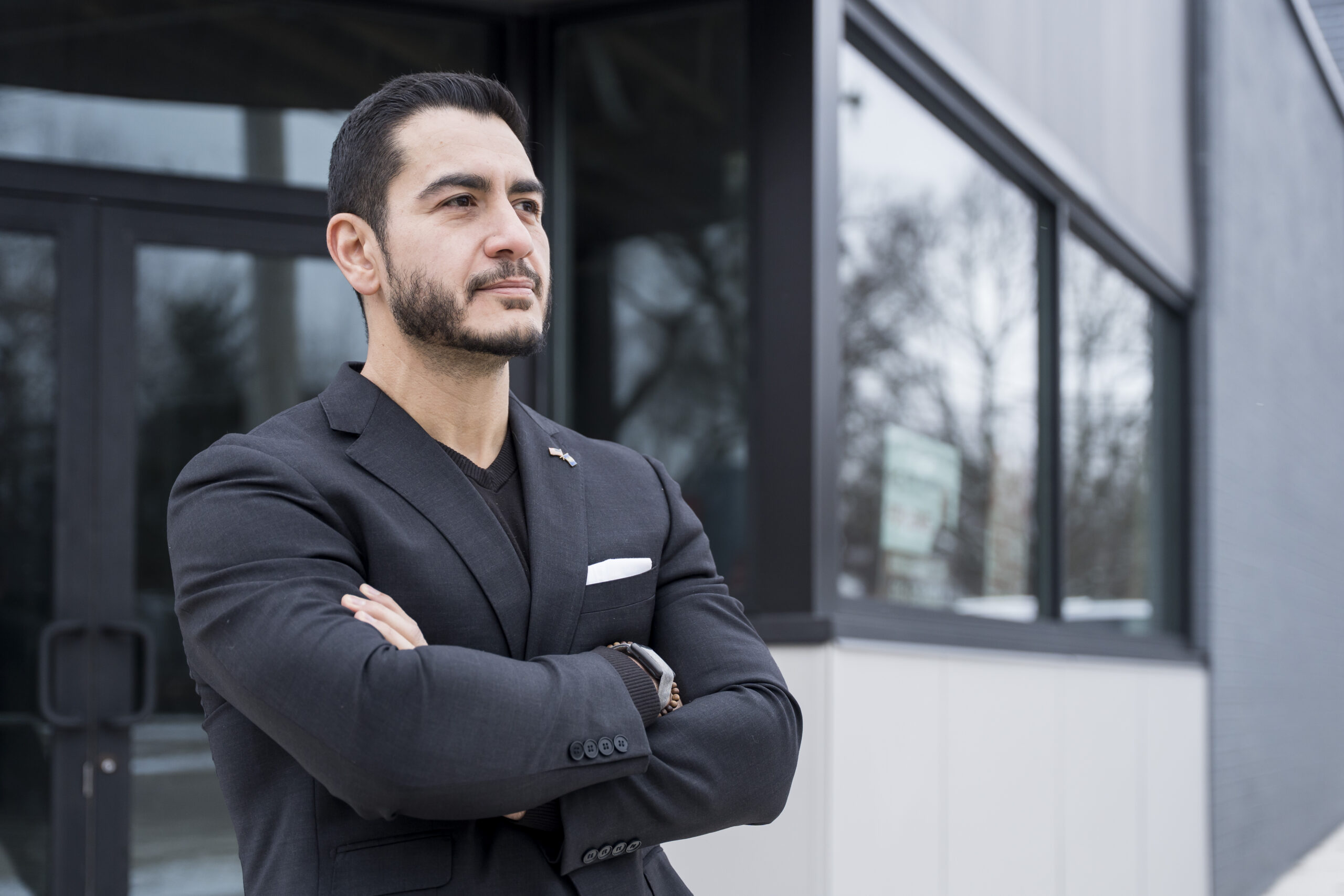
At The Atlantic Summit, El-Sayed argued that Israel should guarantee equal rights without defining its national identity through a particular religion or culture.
According to Jewish Insider's reporting, he declined to endorse one specific political settlement, saying Palestinians and Jewish Israelis should determine whether their future involves one state, two states or another arrangement.
That position has drawn objections from Jewish leaders who want him to affirm Jewish sovereignty in Israel more explicitly.
Why It Happened
El-Sayed's foreign-policy stance reflects a campaign in which Israel, Palestinian rights and political spending became major points of contention.
The American Israel Public Affairs Committee, commonly known as AIPAC, spent heavily against his candidacy. El-Sayed now wants the Democratic caucus to reject funding from the organization.
He won a closely watched Democratic primary against Representative Haley Stevens before securing victory in Michigan's general election despite substantial opposition spending.
His agenda also connects foreign policy with domestic priorities. El-Sayed has identified stopping Medicaid cuts, ending the war in Iran and changing tariff policy as three immediate goals.
He plans to introduce Medicare for All legislation and pursue voting rights, labor protections and campaign-finance changes. His willingness to offer Trump political credit for expanded health coverage illustrates the transactional approach he hopes to bring to negotiations.
International Reaction
Trump's announced agreement with Netanyahu provides the immediate diplomatic context, although the supplied reporting does not describe a separate public response from Netanyahu to El-Sayed's endorsement.
Within the United States, reactions to El-Sayed's broader Israel positions have been divided.
A coalition of Michigan Jewish leaders pressed him during the campaign to address antisemitism and Jewish sovereignty more directly. Several Democratic Jewish leaders remained dissatisfied with his assurances that he would protect Jewish Americans.
El-Sayed has distinguished concerns about personal discomfort with his criticism of Israeli government policy from threats to physical safety. He has also accused Israel of war crimes and called for Netanyahu to face accountability.
Meanwhile, Vance indicated during a Fox interview that the administration would be willing to work with El-Sayed on measures intended to improve Americans' lives.
That response signals openness to cooperation, but neither side has announced a negotiated legislative agreement.
What It Means Going Forward
El-Sayed will enter the Senate in January as its first Muslim member, bringing a foreign-policy platform that challenges established approaches within both major parties.
His immediate influence will depend on whether public agreement with Trump develops into concrete negotiations and whether Congress acts on military assistance or the domestic legislation he supports.
El-Sayed is backing Maryland Senator Chris Van Hollen for a Senate leadership position, reflecting his preference for Democrats who have advocated Palestinian rights.
He also intends to maintain close contact with Michigan voters rather than relocate his family to Washington. That commitment includes spending time in the state holding town halls.
For American voters, the practical questions concern federal spending priorities, health coverage, congressional oversight of foreign aid and the willingness of political opponents to cooperate. Trump's announcement addresses one major funding issue, but El-Sayed's wider proposals would require additional political decisions.
Frequently Asked Questions
Who is Abdul El-Sayed?
Abdul El-Sayed is Michigan's Democratic senator-elect, who won his 2026 Senate race after defeating opposition in both the primary and general election. He is scheduled to become the first Muslim U.S. senator in January.
Does Abdul El-Sayed support ending U.S. aid to Israel?
Yes. El-Sayed supports ending unconditional American military assistance to Israel and welcomed Trump's announcement that military aid would end in 2026. He has also called for ending unconditional assistance to Egypt, Saudi Arabia and Pakistan.
Why does Abdul El-Sayed agree with Donald Trump?
Their stated agreement concerns ending U.S. military assistance to Israel. El-Sayed has also offered Trump political credit for expanding health coverage, although no joint healthcare agreement has been announced.
What is Abdul El-Sayed's position on a Palestinian state?
El-Sayed says Palestinians and Jewish Israelis should negotiate their political future on equal terms. He has said he could support either a one-state or two-state arrangement if both populations agreed.
Will Abdul El-Sayed meet JD Vance?
El-Sayed confirmed that Vance's chief of staff contacted him after the election to arrange a meeting. He has not disclosed the agenda or announced an outcome.
What are Abdul El-Sayed's Senate priorities?
His immediate priorities include opposing Medicaid cuts, ending the Iran war and changing tariff policy. He also intends to pursue Medicare for All, voting rights, union protections and campaign-finance reform.