Last updated: November 19, 2026
Argentina has condemned Princess Anne's visit to the Falkland Islands as a provocation, turning a royal engagement that included opening a new sports complex into another confrontation over sovereignty and offshore oil. Buenos Aires objects not only to the British royal's presence but also to plans for petroleum production in waters claimed by Argentina. The dispute has reached an international maritime tribunal, which has provisionally scheduled a decision on Argentina's urgent request for November 28. At stake are competing claims over territory, natural resources and the rights of island residents.
What Happened
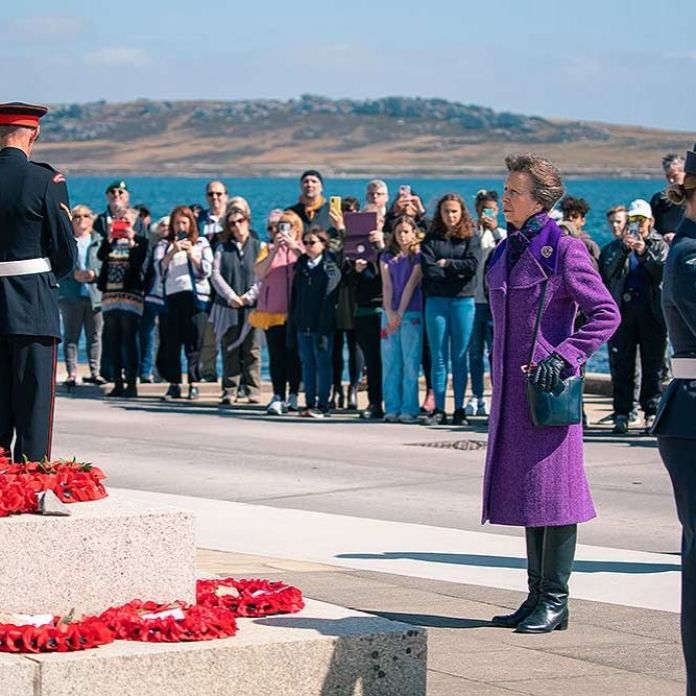
Argentina's Foreign Ministry rejected Princess Anne's official engagements in the Falkland Islands, known in Argentina as the Malvinas, in a statement reported by the Buenos Aires Times.
The ministry characterized the royal visit as part of what Argentina considers Britain's unlawful occupation of the Falklands, South Georgia, the South Sandwich Islands and surrounding maritime areas. It connected its objection directly to British-backed hydrocarbon exploration and licensing in the South Atlantic.
Princess Anne, the sister of King Charles III, opened the Falkland Islands' new National Sports Complex in Stanley on November 10. The ceremony was part of a broader period of sporting activity that included international cricket and archery competitions.
Although the opening concerned community recreation, Argentina treated the royal engagement as politically significant because it took place on disputed territory under British administration.
The Countries and Players Involved
The central dispute involves Argentina and the United Kingdom, whose competing sovereignty positions have persisted for generations. Argentina claims the islands, while Britain maintains control and rejects Buenos Aires' sovereignty claim.
Argentine President Javier Milei has pressed London to stop the Sea Lion offshore oil project. His government has also advanced proposed legislation to strengthen penalties concerning natural-resource exploitation in the islands, although that legislation remains under consideration.
Two companies are central to the commercial dispute: British firm Rockhopper and Israeli company Navitas, which lead the Sea Lion project. Rockhopper has indicated that hydrocarbon extraction in the North Malvinas Basin could begin around January 2028.

Island sporting organizations have pursued a separate agenda of expanding facilities and participation. According to MercoPress reporting on the opening, the complex cost approximately £5 million, financed by the Falklands government with private-sector contributions.
Its facilities include an all-weather football and rugby pitch, indoor cricket nets, archery and lawn bowls facilities, and a large multipurpose sports hall. The investment is the islands' first major sporting infrastructure development since the Stanley Leisure Centre and Swimming Pool were built roughly three decades earlier.
Why It Happened
The controversy reflects a longstanding territorial conflict that erupted into war in 1982. That conflict ended with the surrender of Argentina's military dictatorship, but the sovereignty disagreement continued.
Britain has controlled the islands since 1833, according to the Buenos Aires Times account. The United Nations has recognized the existence of the sovereignty dispute for decades and urged both countries to avoid unilateral decisions affecting the territory.
Oil development has added a commercial and environmental dimension to the disagreement. Argentina argues that exploration licenses issued under British authority are illegitimate, while London supports the islanders' right to develop their natural resources.
In September, an Argentine court issued an injunction seeking to halt the Sea Lion project following a challenge from two Argentine organizations citing possible environmental harm. Argentina subsequently requested urgent provisional measures from the International Tribunal for the Law of the Sea in October.
The combination of an approaching oil-production timetable and a high-profile royal visit explains why a ceremonial engagement became the subject of a diplomatic protest.
International Reaction
Argentina's response has been explicit. Its Foreign Ministry described Princess Anne's visit as a provocation and objected to the exploitation of hydrocarbons under British-issued licenses.
Britain's position, as described in the reporting, is that the islanders are entitled to develop their resources. London does not accept Argentina's sovereignty claim and supports the companies pursuing the offshore project.
The international legal process provides another avenue for the dispute. The maritime tribunal has provisionally identified November 28, 2026, for its decision on Argentina's request for urgent provisional measures. That request concerns intervention against the oil project rather than a final determination of sovereignty.
Separately, the Falklands' sporting calendar has continued. International sports representatives attended the complex opening, and the islands are preparing for the Falklands Games on November 27–29.
What It Means Going Forward
The next significant development is the anticipated maritime tribunal decision. Its response to Argentina's request could affect the immediate legal confrontation surrounding Sea Lion, although the provided reporting does not establish what measures the tribunal will order.
The project's expected production timetable also matters. With extraction anticipated around January 2028, both the companies and the governments involved face decisions well before operations are scheduled to begin.
For Falkland Islanders, the dispute concerns the authority to make decisions about local resources and economic development. The sports complex illustrates another aspect of island life: investment in facilities intended for recreation, competition and community participation.
For U.S. readers following international diplomacy, the confrontation offers a concrete example of how unresolved territorial claims can intersect with energy investment and international legal proceedings. The immediate question is whether the tribunal's forthcoming decision changes the course of the offshore project or leaves the disagreement to continue through diplomatic and domestic legal channels.
Frequently Asked Questions
Why did Argentina condemn Princess Anne's Falklands visit?
Argentina considers the Falkland Islands disputed territory under unlawful British occupation. Its Foreign Ministry also connected the visit to British-backed offshore oil development that Buenos Aires opposes.
What did Princess Anne do in the Falkland Islands?
Princess Anne opened the National Sports Complex in Stanley on November 10, 2026. The facility includes pitches, indoor sports areas and exercise studios.
What is the Sea Lion oil project?
Sea Lion is an offshore hydrocarbon development led by Rockhopper and Navitas in the North Malvinas Basin. Rockhopper expects extraction to begin around January 2028, while Argentina is seeking to halt the project.
When will the maritime tribunal decide on Argentina's request?
The International Tribunal for the Law of the Sea has provisionally scheduled November 28, 2026, for a decision on Argentina's request for urgent provisional measures. The request seeks intervention concerning the Sea Lion project.
Why do Argentina and Britain dispute the Falkland Islands?
Argentina claims sovereignty over the islands, while Britain has controlled them since 1833 and rejects Argentina's claim. The countries fought a war over the territory in 1982, but the sovereignty dispute was not resolved.