
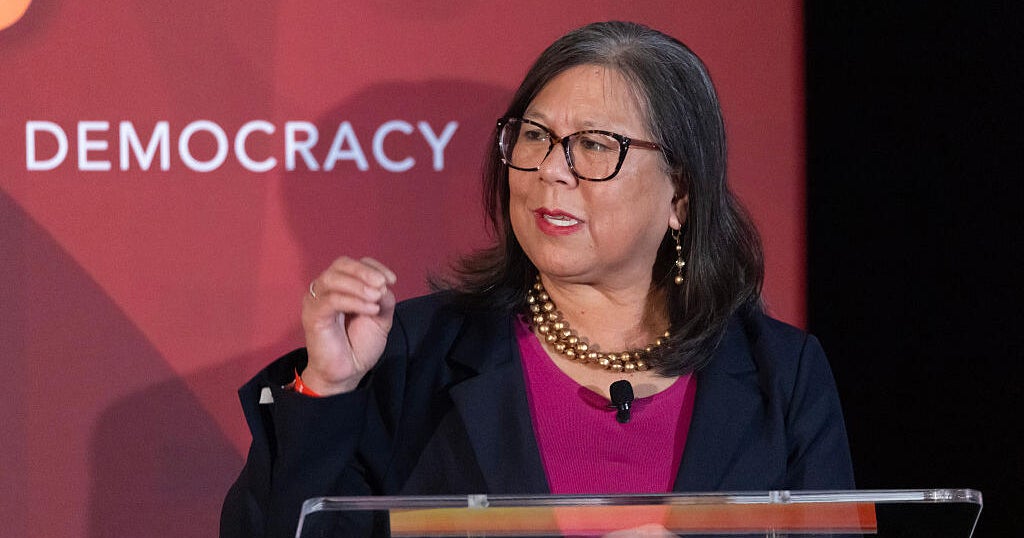
Former California State Controller Betty Yee announced Monday she is suspending her campaign for governor, ending her bid months into an already crowded race. The decision lands at a moment when fundraising pressure and name recognition are defining the early contours of the contest.
Her exit immediately narrows the field and signals how competitive — and expensive — the race is becoming. For voters, it also shifts attention toward better-funded candidates as the primary season inches closer.
The Full Story
Yee, who previously served two terms as California’s state controller, had entered the governor’s race positioning herself as a fiscal watchdog with decades of experience in state government. Early on, she emphasized accountability, public finance transparency, and what she described as “steady leadership” in contrast to more high-profile rivals.
But as the months wore on, the campaign faced familiar hurdles. Fundraising lagged behind several competitors, and statewide name recognition remained a challenge in a media environment dominated by bigger political personalities. In a race where early money often dictates long-term viability, those factors matter — a lot.

By April, the math had become hard to ignore. Campaign insiders pointed to the widening gap between Yee and leading candidates, particularly in fundraising totals and polling visibility. Rather than stretch resources thin, she chose to step aside.
Her announcement was measured, not dramatic. Yee framed the move as a practical decision rather than a retreat — a recognition that winning statewide office in California requires massive financial backing and a broad coalition that takes time to build.
It’s not the first time a seasoned official has faced this reality. California’s modern gubernatorial races have increasingly become high-stakes, high-dollar contests where even experienced candidates can struggle to break through without early momentum.
Central Figures
Betty Yee has long been a fixture in California politics, serving as state controller from 2015 to 2023. In that role, she oversaw billions in public funds and built a reputation for fiscal oversight. Her campaign leaned heavily on that experience, pitching her as a steady hand in uncertain times.
Beyond Yee, the race includes several high-profile figures with stronger fundraising networks and broader name recognition. While her exit doesn’t crown a frontrunner, it does remove a candidate who represented a more technocratic, policy-focused lane.
The Data
Campaign finance disclosures in recent months showed a clear divide. Top-tier candidates pulled in millions early, while others — including Yee — trailed significantly. In California politics, early fundraising is often predictive: candidates who raise less early typically struggle to gain traction later.
Polling, where available, reflected a similar trend. Yee’s numbers remained in the lower tier, suggesting limited statewide visibility despite her years in office.
What This Means
Here’s the thing — California races aren’t just about ideas. They’re about scale. Media markets are massive, voter outreach is expensive, and building recognition takes both time and money. Yee’s exit underscores that reality in a very public way.
For voters, this narrows the range of choices slightly but also concentrates attention on candidates with the resources to compete statewide. For the remaining contenders, it’s an opportunity — fewer rivals means more room to define the race.

And if you’re following this closely, you might be wondering what happens to Yee’s supporters. Typically, endorsements and voter blocs shift gradually, not overnight. Her backers may disperse across campaigns or stay undecided for now.
Politics, as they say, is a long game. And in California, it’s also an expensive one.
What to Expect
In the coming weeks, expect remaining candidates to ramp up fundraising and sharpen their messaging. Campaign events, policy rollouts, and early advertising will likely accelerate as the field settles.
There’s also a chance of further shakeups. Early exits are common in large statewide races, especially before the primary field fully solidifies.
FAQ
Why did Betty Yee drop out of the governor’s race?
She faced fundraising challenges and limited statewide visibility compared to leading candidates, making it difficult to sustain a competitive campaign.
What role did she previously hold?
Yee served as California’s state controller, overseeing public finances and auditing government spending.
How does this affect the governor race?
It narrows the field and shifts attention toward better-funded candidates, potentially changing campaign dynamics.
Could she endorse another candidate?
It’s possible, though no endorsement has been confirmed. Such moves often come later in the race.
What should voters watch next?
Fundraising reports, polling changes, and early campaign messaging from remaining candidates will offer clues about the race’s direction.