
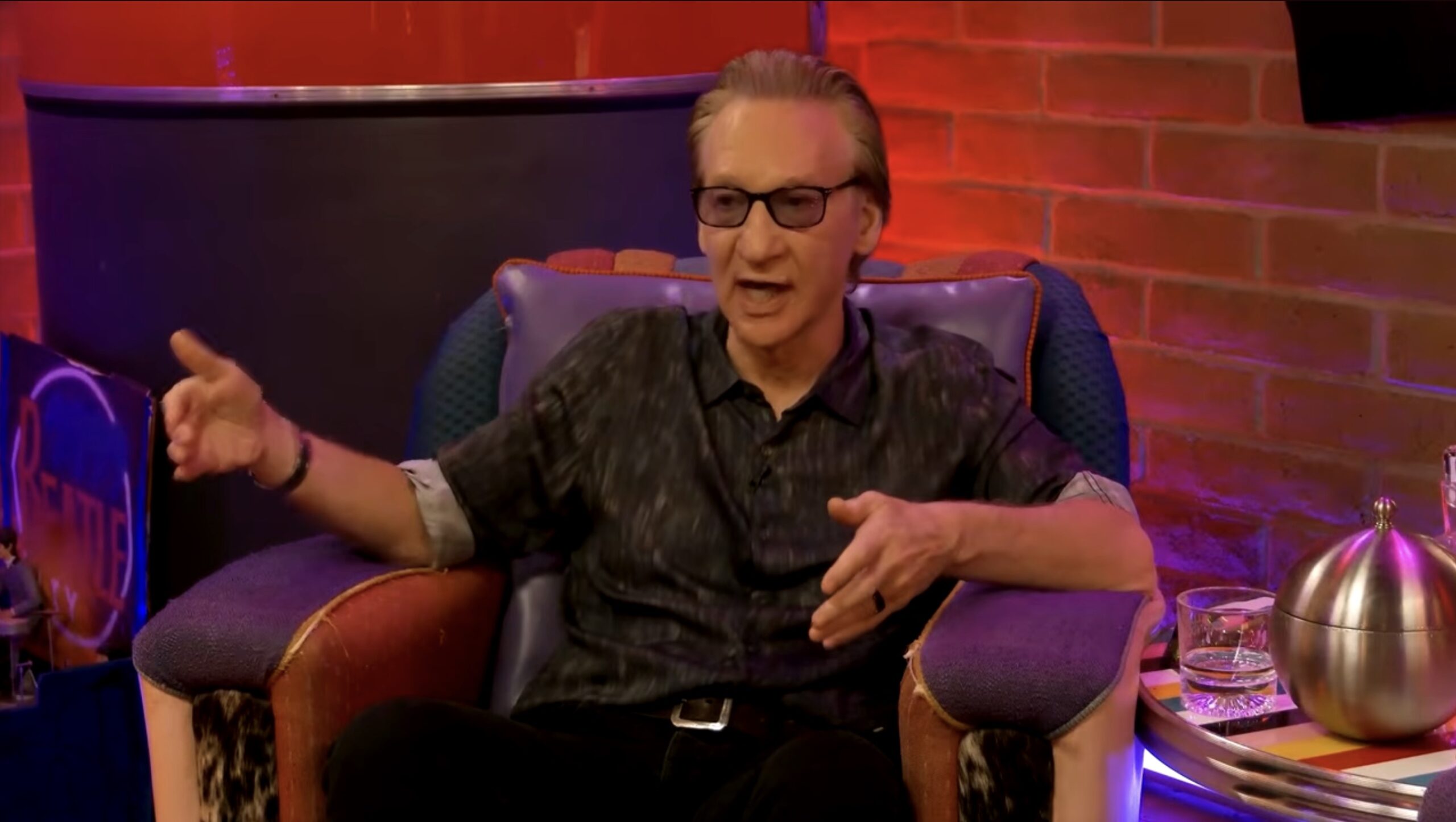
For viewers in the United States, the latest political media clash is landing right in the middle of an already tense election season. Bill Maher, long known for criticizing both Democrats and Republicans, is now openly attacking Donald Trump’s handling of the Iran conflict — and that shift is getting people talking far beyond late-night TV circles. The comedian and HBO host accused the Trump administration of badly miscalculating its timing and strategy around Iran, triggering a fierce online reaction from both supporters and critics.
Meanwhile, fans who once praised Maher for challenging liberal orthodoxy are now debating whether he crossed a line. Others argue he is simply doing what political commentators are supposed to do: calling out mistakes regardless of party loyalty.
The Backstory
Maher has spent years building a reputation as one of the few television personalities willing to criticize both sides of the political aisle. That balancing act helped him keep a loyal audience even as political media became increasingly tribal. But his relationship with conservatives shifted noticeably after he occasionally defended Trump voters and criticized progressive activists over the past several years.
That history matters here. Some Trump supporters had started treating Maher as an unlikely ally, especially after his criticism of cancel culture and Democratic messaging. So when he recently argued that the administration “missed their window” in Iran and “messed up a lot,” the backlash came fast.
If you have been following U.S. foreign policy debates lately, you already know Iran remains one of the most politically explosive topics in Washington. Military escalation fears, oil market concerns, and questions about American involvement overseas continue to divide voters heading into another contentious campaign cycle.

Here's What Happened
During a recent discussion on his show and podcast appearances, Maher argued the Trump administration mishandled a key opportunity involving Iran’s political instability. According to Maher, officials acted too slowly and failed to capitalize on internal pressure facing the Iranian regime.
He did not stop there. Maher bluntly said the administration “f***ed up a lot,” language that immediately spread across social media clips and political commentary channels. Conservative audiences that once applauded his criticism of Democrats suddenly found themselves on the opposite side of the argument.
At the same time, some liberal viewers were skeptical too. A portion of the audience questioned whether Maher was genuinely criticizing Trump’s foreign policy or simply reacting to shifting political momentum. That’s the funny thing about cable-era politics — the same audience cheering you one week can turn overnight.
Online reactions exploded across comment sections and podcasts. Some viewers praised Maher for being consistent. Others accused him of trying to position himself in the political middle again as the presidential race intensifies.
They missed their window.
Several commentators also pointed to the broader issue underneath Maher’s criticism: whether American leaders should pursue aggressive intervention abroad at all. That debate has haunted both Republican and Democratic administrations for decades.
What People Are Saying
Trump supporters online argued Maher ignored the complexity of the Iran situation and underestimated the risks of deeper U.S. involvement. Some conservative personalities who previously praised Maher openly criticized him after the remarks circulated.
Others defended him for refusing to become politically predictable. One recurring theme across reactions was frustration with hyper-partisan loyalty. In other words, people are tired of commentators being expected to “pick a team” and never criticize it. Welcome to modern American politics.
Trump has messed up a lot.
Political strategists also noted that media personalities increasingly influence voter sentiment, especially among younger audiences consuming politics through podcasts and clips instead of traditional news broadcasts.

The Bigger Picture
The larger issue here is not just Bill Maher or Donald Trump. It is the growing collision between entertainment media and political influence in America. Television hosts, podcasters, comedians, and influencers now shape political narratives in ways traditional analysts once did alone.
For American voters, especially younger audiences, these moments can matter more than formal campaign speeches. Viral clips travel faster than policy papers. A single controversial statement can dominate online conversation for days.
There is also a foreign policy angle. Iran remains deeply connected to U.S. concerns over military spending, oil prices, global security, and election-year politics. Any debate involving American strategy overseas quickly becomes a domestic political battle too.
The Road Ahead
Maher is unlikely to back away from the comments. If anything, the controversy may increase attention around his upcoming episodes and interviews as election coverage intensifies across American media.
Meanwhile, Trump allies and critics alike will continue using moments like this to shape broader debates around foreign policy, leadership, and political loyalty heading into the next phase of the campaign season.
FAQ
Why is Bill Maher criticizing Trump now?
Maher argued the Trump administration mishandled timing and strategy regarding Iran, saying officials missed a major opportunity.
What did Bill Maher say about Iran?
He claimed the administration “messed up a lot” and failed to act effectively during political instability involving Iran.
Why are fans reacting so strongly?
Some conservatives previously viewed Maher as sympathetic to their views, so his criticism of Trump surprised many supporters.
Does this affect U.S. politics directly?
Yes. Foreign policy debates involving Iran often influence voter opinions, campaign messaging, and media coverage in election years.
What happens next?
The debate will likely continue across political media, podcasts, and campaign discussions as tensions around foreign policy remain high.