California Gubernatorial Debate Scrapped Amid Inclusion Controversy: Trend Summary
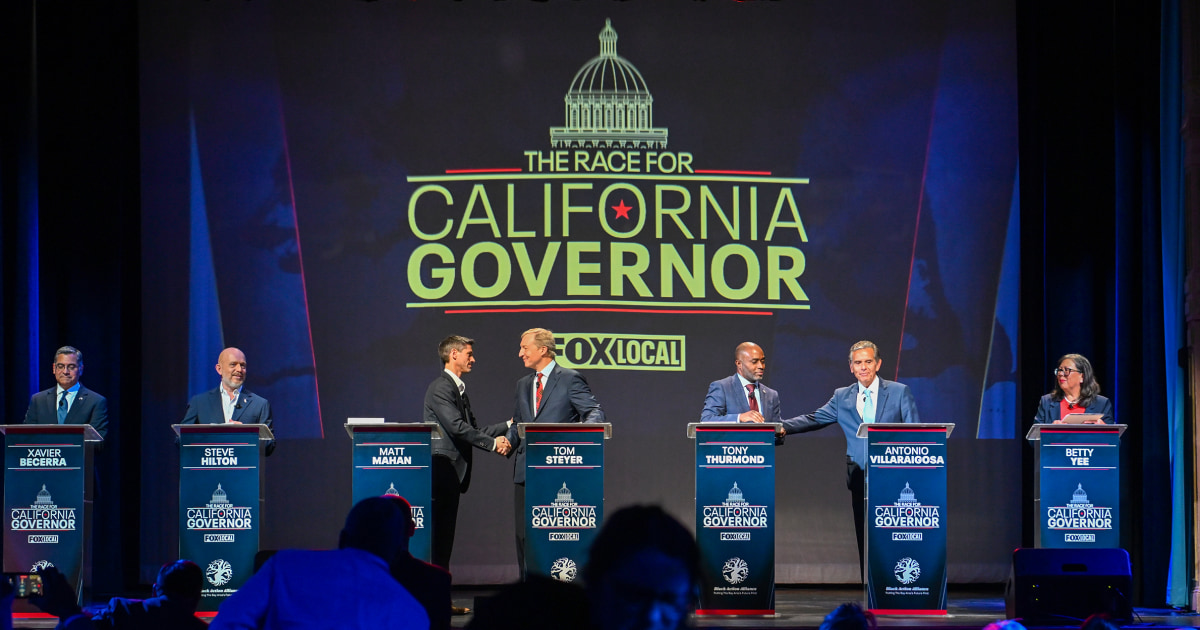
The University of Southern California (USC) abruptly canceled a highly anticipated Tuesday, March 24, 2026, gubernatorial debate following intense backlash over the exclusion of several prominent candidates of color. Organizers cited the inability to reach a consensus on participation criteria after excluded Democrats called for a boycott. The cancellation leaves the race for California’s top office without a major televised forum just weeks before the primary election.
TL;DR
- USC canceled the March 24 gubernatorial debate following a controversy over candidate eligibility.
- The decision came after excluded candidates of color and their supporters threatened a boycott and staged protests.
- The debate would have only featured four candidates, leaving out several high-profile Democratic rivals.
- Voters are left without a primary statewide televised forum to compare the leading contenders.
What Happened
The controversy began when USC and its media partners announced a limited lineup for the scheduled Tuesday debate, inviting only the four candidates who met a specific polling threshold of 10%. This criteria meant that Lieutenant Governor Eleni Kounalakis, former Los Angeles Mayor Antonio Villaraigosa, Superintendent of Public Instruction Tony Thurmond, and Attorney General Rob Bonta were initially the focus of the event.
However, the criteria effectively excluded several prominent Democrats of color, including Health and Human Services Secretary Xavier Becerra and State Senator Aisha Wahab. The excluded candidates argued that the polling used to determine the stage was barking up the wrong tree, claiming it failed to reflect the true diversity and support within the California electorate. In response, the excluded group urged invited rivals to skip the event in solidarity, leading to a breakdown in negotiations.

The goal was to provide a forum that serves the voters of California. It became clear that the controversy over the criteria was overshadowing the substance of the debate itself.
Key Developments
As the boycott gained momentum, efforts were made by community leaders to organize a last-minute alternative forum that would include all major candidates. However, these hasty plans fell apart on Monday evening when several of the leading candidates declined to participate in an unvetted, unofficial event. The specific criteria required candidates to reach double digits in an independent poll conducted by the UC Berkeley Institute of Governmental Studies.
The invited candidates faced significant pressure from civil rights groups and diverse caucuses within the Democratic Party. Ultimately, the lack of a full commitment from the invited participants made the original event untenable for the university and its broadcast partners.
Why This Matters
The cancellation of this debate is a significant blow to the 2026 election cycle as it was expected to be the most-watched event before the June primary. It highlights a growing tension within the state's political landscape regarding how 'viability' is defined for candidates from underrepresented communities. Without this forum, candidates must now rely more heavily on expensive television advertising and grassroots organizing to reach California's 22 million registered voters.

What Happens Next
There are currently no confirmed dates for a rescheduled statewide debate before the June 2nd primary election. Campaigns are shifting their focus to independent town halls and localized candidate forums. Voters can check their registration status and find upcoming local election information on the California Secretary of State official website. The deadline for voter registration for the upcoming primary is May 18, 2026.
Frequently Asked Questions
Why was the California governor's debate canceled?
The debate was canceled because USC could not resolve a dispute regarding candidate inclusion criteria, which excluded several prominent Democrats of color and led to boycott threats.
Who was excluded from the USC debate stage?
High-profile candidates including Xavier Becerra and Aisha Wahab were excluded because they did not meet the 10% polling threshold required by organizers.
When was the debate supposed to happen?
The event was scheduled for Tuesday, March 24, 2026, and was intended to be a major televised primary forum.
Will there be another governor's debate before the primary?
No other statewide televised debates have been officially scheduled yet, though candidates may appear at smaller, localized forums before the June 2nd election.

Resources
Sources and references cited in this article.