
Fifty percent. That is the staggering reduction in recommended childhood immunizations proposed by a new assessment that President Donald Trump has officially endorsed through a sweeping executive order. This federal directive orders health authorities to realign policy around a narrower view of pediatric medicine, upending decades of public health consensus and leaving parents across the country looking for clear answers. It represents a dramatic shift in how the federal government approaches basic healthcare safeguards for the next generation.
The Bottom Line
- President Trump has signed an executive order directing federal health agencies to review and drastically narrow childhood immunization guidelines.
- The directive formally aligns federal policy with a recent independent study advocating to halve the number of recommended routine vaccines for American kids.
- The Centers for Disease Control and Prevention (CDC) and Health and Human Services (HHS) must now re-evaluate long-standing healthcare protocols.
- Public health advocacy groups express deep alarm, while school districts brace for potential downstream friction over enrollment immunization mandates.
Breaking It Down
The sudden overhaul began taking shape late last week when President Trump issued the executive directive aiming to fundamentally alter the Department of Health and Human Services (HHS). The order specifically commands the CDC to realign its current, rigorous schedule with a highly restrictive independent study that claims fewer vaccinations could benefit pediatric development. For decades, the CDC schedule has been viewed by doctors as the gold standard for preventing childhood illnesses, making this disruption a massive institutional pivot.
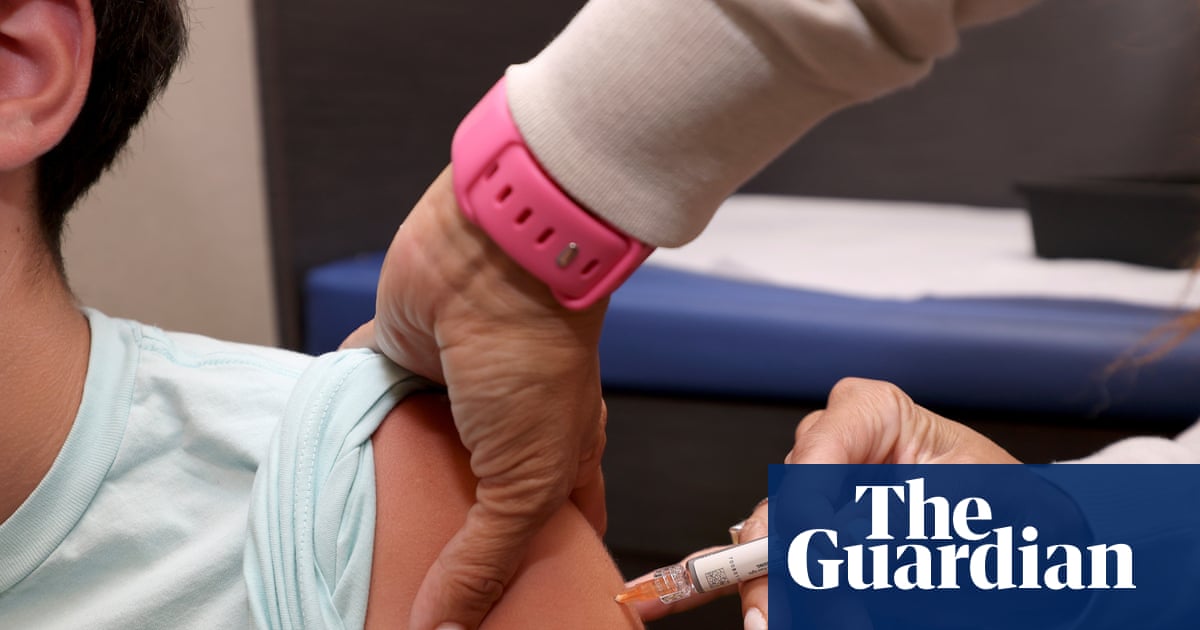
Public health experts were caught off guard by the sheer velocity of the policy shift. Medical teams across the United States have historically relied on structured federal baselines to ensure community immunity against preventable outbreaks. By backing a plan to drastically shorten this preventative list, the White House is bypassing established medical advisory panels in favor of an outside assessment that challenges standard medical frameworks.
Some analysts argue that the move is less about the science of immunizations and more about a larger political strategy. They see it as a direct effort to decentralize federal health departments and curtail the authority of agencies like the CDC. Regardless of the underlying bureaucratic motivation, the immediate result is a complete shake-up of federal health priorities that will trickle down to local family clinics.
Why This Matters
Here's the thing: while federal recommendations are technically guidelines, they carry immense practical weight. Local school districts, state health departments, and family insurers use the CDC schedule to build their own local rules and coverage models. If the federal baseline drops by half, state legislatures could soon find themselves locked in bitter fights over whether to lower their local school entry requirements accordingly, putting families right in the middle of a messy policy tug-of-war.

For regular folks, this policy shift injects a sudden dose of confusion into standard wellness checkups. Parents will have to navigate conflicting advice between newly revised federal documentation and the traditional recommendations of their local pediatricians. Medical professionals worry this discrepancy might cause routine immunization rates to stall, potentially exposing local communities to outbreaks of older, preventable childhood diseases.
What Comes Next
Federal health agencies are now legally required to submit operational plans detailing how they will adjust their official literature and advisory panels to match the new directive. Observers expect immediate legal challenges from medical advocacy coalitions and consumer health watchdogs seeking to block the implementation of the executive order before the changes become standard administrative practice.
Frequently Asked Questions
What does the new executive order actually do?
The order instructs federal health agencies like the CDC and HHS to alter their official childhood immunization schedules to match a narrower study. This assessment recommends cutting the current schedule of routine pediatric shots roughly in half.
Are childhood vaccines now illegal or banned?
No, vaccines are not banned. The executive order changes federal recommendations and advisory guidelines, but it does not outlaw the production, distribution, or private administration of any standard pediatric immunizations.
How does this impact school vaccination requirements?
School mandates are determined by individual state governments, not the White House. However, because states heavily rely on federal CDC guidelines to write their laws, many state legislatures may soon face pressure to alter local school enrollment rules.
When do these changes take effect for regular families?
The order sets off an internal agency review process immediately. It will take several months for federal departments to draft updated formal guidelines, and even longer for those changes to filter down to local doctors' offices and insurance policies.