
The hazardous nature of military deployments in the Middle East hit home this week for families across the nation. The U.S. Navy has officially identified the sailor lost at sea following a helicopter crash in the Arabian Sea as a highly respected squadron commander. The massive search operation was called off after days of intensive efforts, leaving a military community in mourning and a family devastatingly altered.
The Backstory
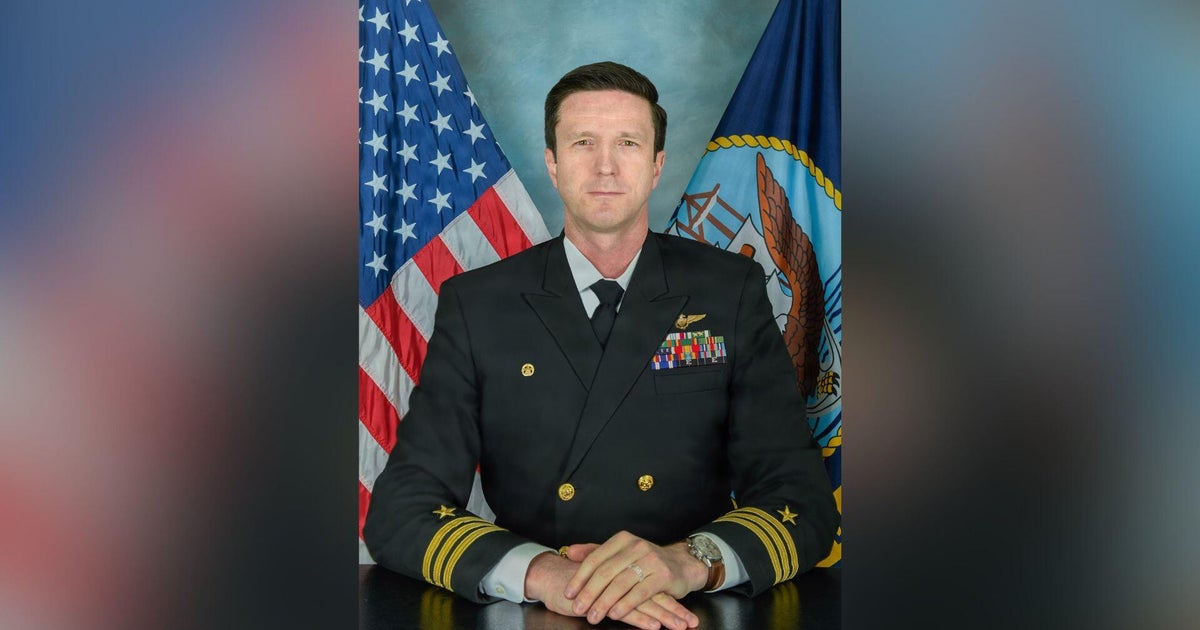
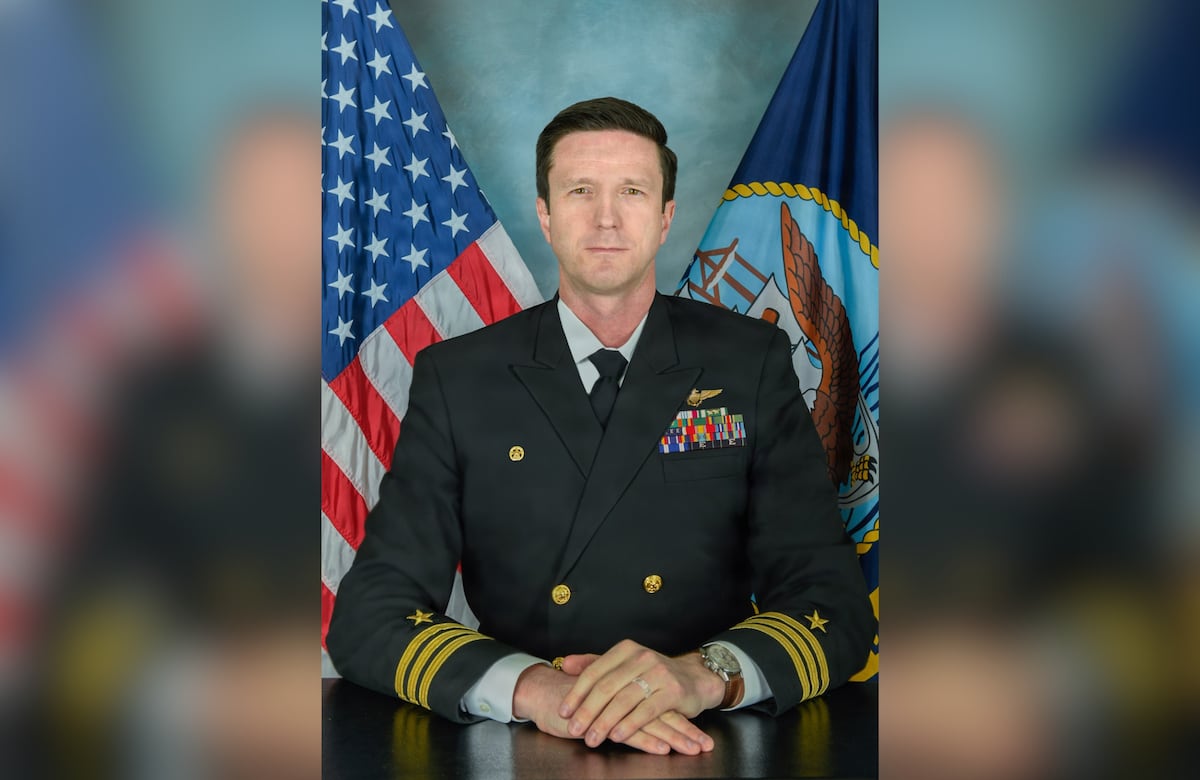
Cmdr. Gabriel Edwards, a native of Oakland, Oregon, was a seasoned naval aviator who dedicated 20 years of his life to military service. He graduated from Norfolk State University in 2006 with a Bachelor of Science degree in physics and earned his commission through the Naval ROTC program. Edwards went on to earn his coveted aviator "Wings of Gold" in 2008, embarking on a distinguished flying career that spanned multiple helicopter platforms.
Before taking the helm of his final command, Edwards accumulated more than 2,000 flight hours in the SH-60F, HH-60H, and MH-60S helicopter airframes. His assignments included tours with HSC-22, HSC-84, HSC-85, and Naval Special Warfare Group 4, where he served as an air-to-ground fires officer and Joint Terminal Attack Controller. He assumed command of Helicopter Sea Combat Squadron 5, known as the "Nightdippers," in July 2025. Edwards had recently been selected for promotion to captain by the Fiscal Year 2027 O-6 Line Officer Promotion Board.
Here's What Happened
The tragedy unfolded on July 1, 2026, at approximately 3:30 a.m. Eastern Standard Time, when an MH-60S Sea Hawk helicopter assigned to the Nimitz-class aircraft carrier USS George H.W. Bush was forced to execute an emergency water landing in the Arabian Sea. Four crew members were on board the twin-engine aircraft when it went down. While three of the four crew members were swiftly recovered and brought back to the carrier in stable condition, Edwards vanished into the sea.
A massive, coordinated search-and-rescue operation immediately commenced under the direction of U.S. Naval Forces Central Command and the U.S. 5th Fleet. The extensive effort covered more than 14,000 square miles of open water. The operation drew upon resources from two carrier strike groups, including the USS George H.W. Bush and the USS Abraham Lincoln. Five Arleigh Burke-class guided-missile destroyers—the USS Ross, USS Donald Cook, USS Higgins, USS Mason, and USS John Finn—joined multiple helicopter and patrol squadrons, alongside U.S. Air Force aircraft, in a race against time.
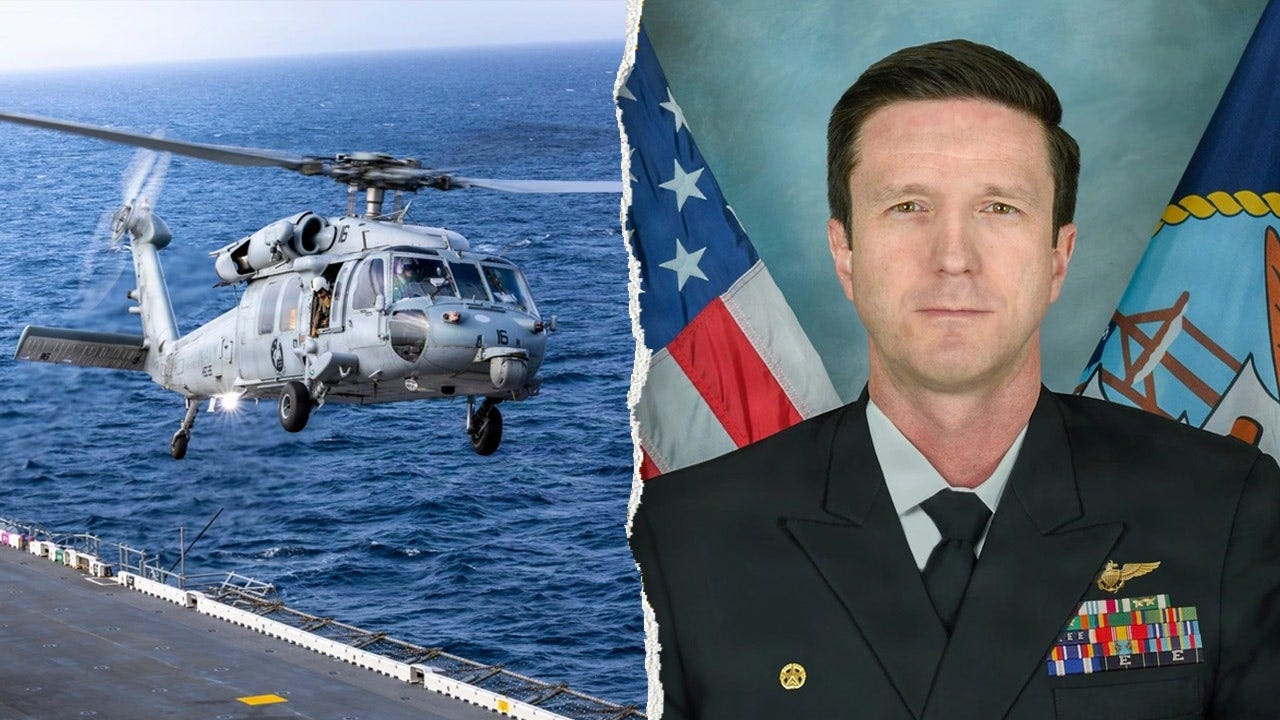
Despite the unprecedented deployment of local assets, the search failed to locate the commander. After more than 102 hours of continuous operations, the military officially suspended search efforts on Sunday, July 5. Following the formal conclusion of the rescue mission, Acting Secretary of the Navy Hung Cao directed that Edwards be posthumously promoted to his selected rank of captain to recognize his extraordinary sacrifice.
What People Are Saying
The loss has reverberated through the highest levels of naval leadership and deeply impacted the family Edwards left behind. Navy officials praised his character, noting that he built a cohesive organization that reflected his own high standards. Meanwhile, his family has asked for privacy as they begin to process the tragedy.
Gabe has dedicated his life to serving his country with honor, courage, and commitment. He led with humility, integrity, and compassion, always putting his people before himself. To those who served alongside him, he was a respected leader and mentor. To our family, he is the love of my life, an extraordinary father to his children, and the foundation of our home.
Rear Adm. Todd Cimicata, commander of Carrier Strike Group 10, expressed the shared grief of the deployed fleet. "Gabe’s legacy as a husband, father, friend and fearless leader will never be forgotten," Cimicata stated on Tuesday, adding that the thoughts and prayers of the entire team remain with the Edwards family during this difficult deployment far from home.
The Bigger Picture
This incident underscores the inherent risks associated with naval aviation and continuous carrier operations, even outside of active combat zones. The Arabian Sea remains a critical and highly monitored maritime corridor for the U.S. military. While operating in these high-stakes environments, mechanical failures or operational emergencies can rapidly turn fatal due to the unpredictable nature of open-ocean landings.
To support the personnel deeply affected by the loss, the Navy has deployed mental health professionals, chaplains, and counselors to assist the members of the HSC-5 squadron and the broader ship's crew aboard the USS George H.W. Bush. These teams are working to help service members navigate the emotional weight of losing their commanding officer while maintaining their ongoing operational readiness in the theater.
The Road Ahead
The U.S. Navy has initiated a formal investigation to determine the exact technical or environmental causes that prompted the Sea Hawk helicopter to make an emergency landing. Navy officials have stated clearly that there is no indication the incident was caused by hostile action, ruling out any external military or insurgent engagement. The final investigative report will be released to military leadership upon completion to help prevent similar mechanical or operational failures in the future.
Frequently Asked Questions
Who was Commander Gabriel Edwards?
Commander Gabriel Edwards was a 20-year U.S. Navy veteran and the commanding officer of Helicopter Sea Combat Squadron 5 (HSC-5). He was a native of Oakland, Oregon, a graduate of Norfolk State University, and a highly decorated aviator with more than 2,000 flight hours. Following his tragic loss, he was posthumously promoted to captain.
What caused the helicopter to go down in the Arabian Sea?
The MH-60S Sea Hawk helicopter was forced to execute an "emergency water landing" at approximately 3:30 a.m. EST on July 1, 2026. The exact underlying cause of the emergency is currently under investigation by the Navy, though officials have confirmed there is no indication that the landing was caused by hostile action.
How many crew members were involved, and what is their status?
There were four crew members aboard the helicopter when it made the emergency landing. Three of the aircrewmen were successfully recovered shortly after the incident and were returned to the USS George H.W. Bush in stable condition. Commander Edwards was the sole missing crew member.
How long did the search operation last?
The search-and-rescue operation lasted for more than 102 hours and systematically covered an area of more than 14,000 square miles. The massive joint effort involved multiple guided-missile destroyers, aircraft carriers, and specialized aircraft from both the U.S. Navy and the U.S. Air Force before being suspended on July 5.