

Active-duty and reserve sailors who cannot meet the military's strict clean-shaven standards after 12 months of medical treatment will face administrative separation from the service under a sweeping new directive. The policy hardens the Pentagon's stance against facial hair, giving personnel with chronic skin conditions a strict one-year timeline to cure their symptoms or face a discharge.

The Full Story
The sudden escalation in enforcement follows a June ship visit by Defense Secretary Pete Hegseth that left the Pentagon chief furious. While boarding a Navy vessel during a period of heightened geopolitical tensions with Iran, Hegseth noticed multiple sailors sporting facial hair in apparent violation of the strict grooming mandates he established last year. The visual defiance prompted immediate internal pushback, leading political appointees to summon subordinates to a series of urgent meetings demanding faster compliance with personnel directives.In response to the defense secretary's frustration, the Navy published an administrative message outlining the zero-tolerance framework for medical accommodations. Under the updated regulations, permanent shaving waivers are completely eliminated. Sailors experiencing severe facial inflammation from shaving must immediately report the issue to their supervisors and undergo a formal military medical evaluation to establish a short-term treatment plan.
Commanding officers retain the final authority to grant temporary waivers, which are restricted to 90-day increments and cap facial hair at a maximum length of one-quarter of an inch. If a sailor's skin condition remains unresolved after four consecutive 90-day blocks, the individual will be classified as having an unmanageable permanent condition. Administrative separations under this rule are scheduled to officially commence on July 8, 2027, allowing commands a one-year buffer to implement counseling and update local procedures.

Central Figures
Several key leaders and organizations are driving or responding to this cultural shift within the armed forces:
- Pete Hegseth: The 46-year-old Iraq War veteran and Defense Secretary who has spearheaded the crackdown, declaring an end to what he termed "rampant and ridiculous shaving profiles" during a speech to military leaders in Quantico, Virginia.
- Sean Parnell: The Pentagon spokesman who defended the rigorous oversight, stating that commanders will be held personally accountable for delivering results and restoring a culture of warfighting readiness.
- Richard Brookshire: Co-founder of the Black Veterans Project, who has publicly opposed the policy, arguing that it creates a hostile environment for minority troops and forces out lethal, highly trained personnel.
- Katherine Kuzminski: A military systems scholar at the Center for a New American Security, who noted that accompanying Equal Employment Opportunity changes could streamline long-delayed workplace complaint timelines.
The Data
The policy shift relies on rigid administrative timelines and carries disproportionate health implications for specific segments of the workforce:
- 60%: The proportion of Black men affected by pseudofolliculitis barbae, according to data from the American Osteopathic College of Dermatology.
- 90 Days: The maximum duration of a single temporary medical shaving waiver, which can only be renewed up to 4 times before separation protocols trigger.
- 0.25 Inches: The maximum length facial hair is permitted to grow for those holding an active, temporary medical waiver.
- 12 Months: The absolute limit for consecutive medical treatment before a sailor is evaluated for an involuntary discharge.
- Pseudofolliculitis Barbae (PFB)
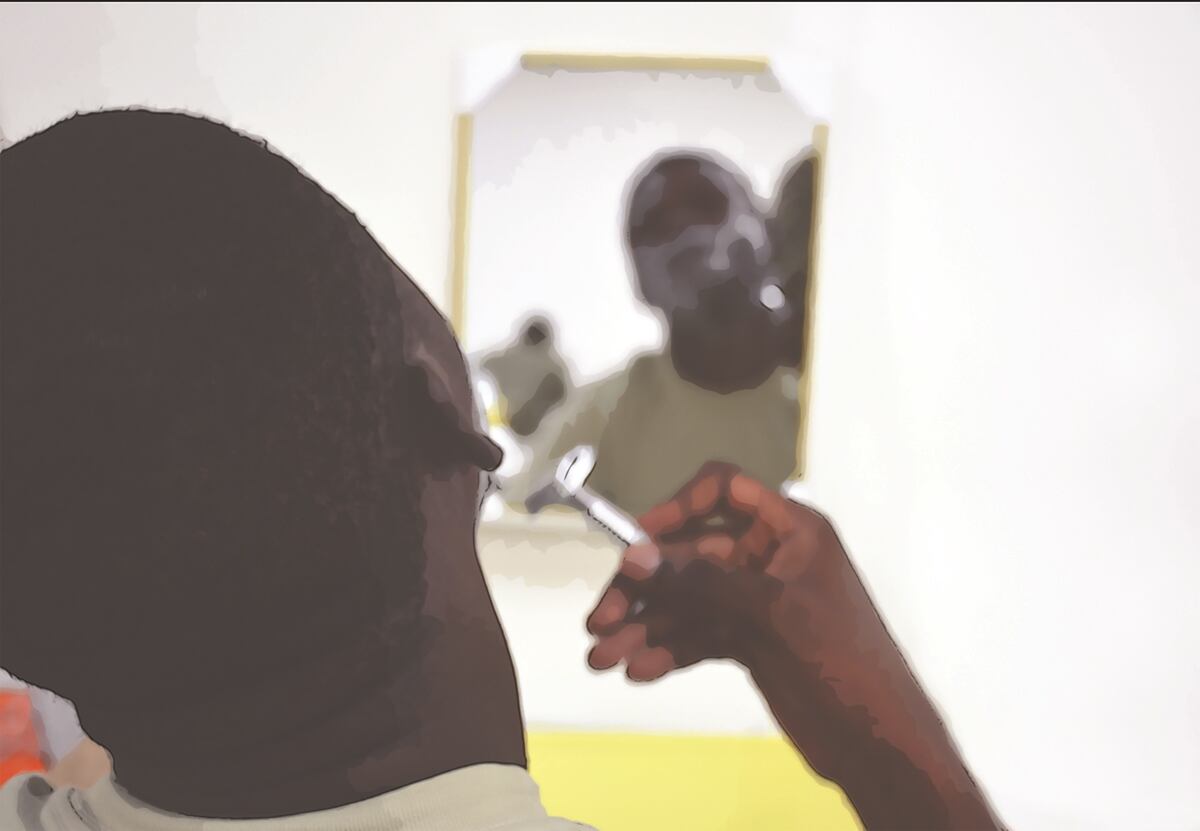
- A painful inflammatory skin condition, commonly known as razor bumps, that occurs when shaved facial hair curls back and grows directly into the surrounding skin.
- Administrative Separation
- The formal process of discharging a member from the military service prior to the expiration of their enlistment period due to failure to meet institutional standards.
What This Means
The elimination of permanent waivers marks a severe reversal of recent military culture. The Navy had previously halted separations for facial hair conditions in 2022 following extensive reviews. Pentagon leadership argues that beards pose a direct national security vulnerability by preventing chemical, biological, and radiation masks from sealing properly against a service member's face. However, independent military dermatologists have challenged those claims, describing the safety risks as unsubstantiated by real-world data.
For the service members stationed across the United States, the decision introduces a stark ultimatum between managing a chronic, painful medical condition or preserving their military careers. Advocates note that the military spent millions of dollars training these specialized personnel, many of whom may now be pushed out during active global conflicts. The exception to the rule remains restricted to elite special operations units, such as Navy SEALs, who can still wear beards when culturally essential for overseas missions, provided they face no immediate threat of chemical attack.
What to Expect
Affected sailors must immediately report shaving irritations to their direct supervisors to secure a medical evaluation. Those with current accommodations must carry a physical copy of their approved waiver and treatment plan at all times while in uniform, especially when transferring to a new command. Meanwhile, the Navy has confirmed it is also reevaluating its separate religious accommodation process for grooming exemptions, with new, more stringent evaluation procedures expected to be implemented in the near future.
Frequently Asked Questions
What happens if a sailor cannot shave due to a medical condition?
Sailors with diagnosed conditions like razor bumps will receive up to one year of continuous medical treatment under temporary 90-day waivers. If the condition cannot be resolved within 12 months, the sailor will be recommended for administrative separation from the Navy.
Does the new beard policy apply to religious accommodations?
No, the newly announced one-year discharge policy does not apply to waivers granted on the basis of religious accommodations. However, the Navy has confirmed it is independently reviewing and tightening its religious exemption procedures.
What is the maximum beard length allowed under a temporary waiver?
Sailors who hold an approved temporary medical waiver are permitted to grow their facial hair to a maximum length of one-quarter of an inch from the skin and must keep the waiver on their person while in uniform.
Why is the Pentagon enforcing a strict clean-shaven standard?
Defense Secretary Pete Hegseth and Navy leadership state that grooming standards are vital for discipline and warfighting readiness. They also argue that facial hair prevents protective breathing masks from forming a proper seal during chemical or biological emergencies.