Last updated: April 16, 2026
ICE Detention Deaths today: Fatalities hit 22-year high amid transparency blackout
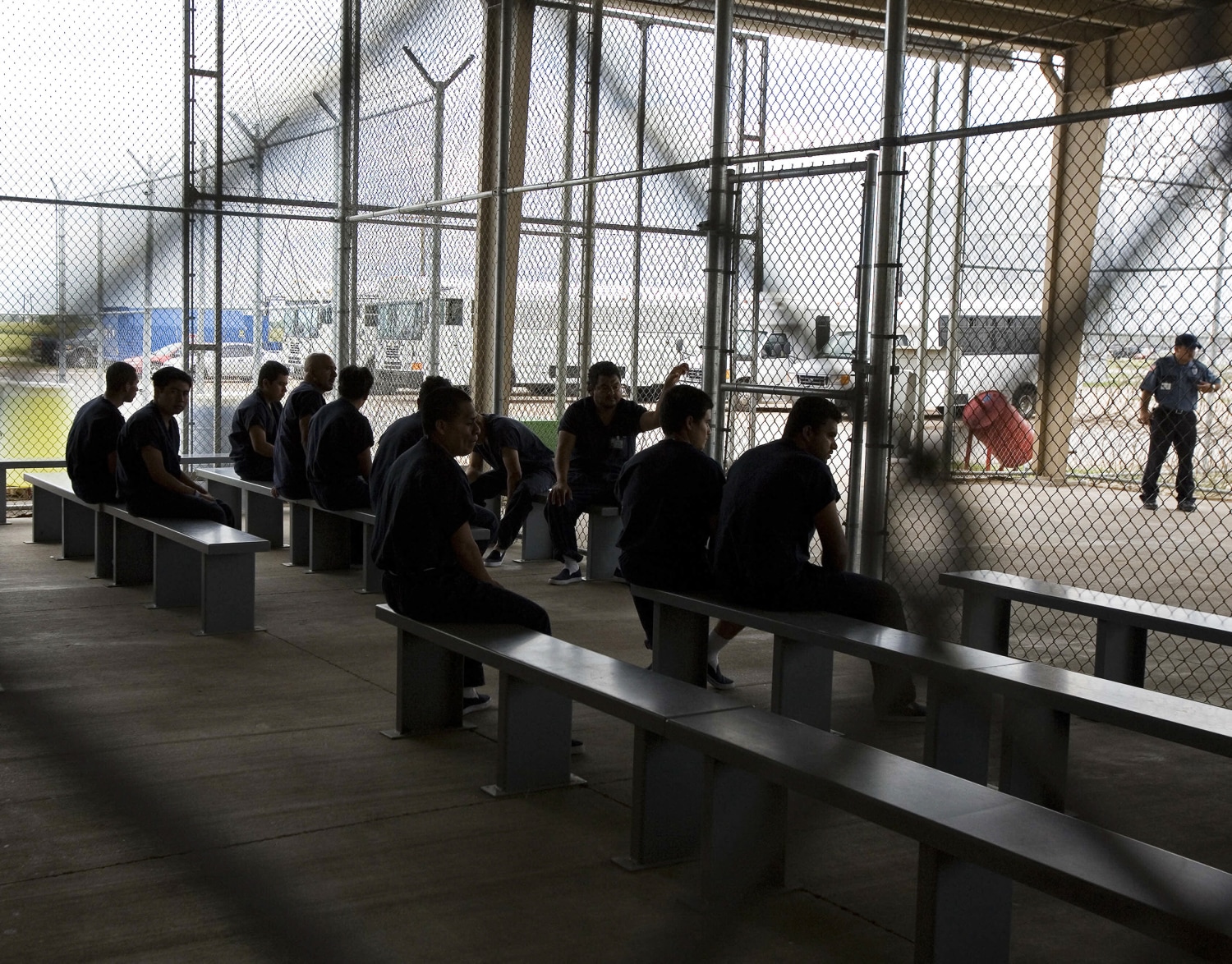
The number of immigrants dying in U.S. custody has officially reached its highest point in over two decades, but the public is seeing less of the aftermath than ever before. As the tally of fatalities climbs, internal policy shifts are quietly scrubbing the granular details that once allowed for independent oversight of the nation's detention centers. It is a grim milestone that has medical professionals and civil rights advocates sounding a frantic alarm over what they describe as a collapsing standard of care.
What We Know So Far
The statistics are stark: death rates at Immigration and Customs Enforcement (ICE) facilities have surged to levels not seen since 2004. Recent data confirms that 22 individuals have died in custody during the current fiscal year alone, a figure that reflects a systemic failure in medical protocol according to a new study. This spike isn't just a numerical anomaly; it follows a period of intensified enforcement and a shift in how these facilities are managed behind closed doors.
While the body count rises, the flow of information has slowed to a trickle. ICE has reportedly begun reducing the amount of detail made public following a death in custody. Where previous reports might have detailed specific medical histories or the exact timeline of a cardiac arrest or suicide, newer disclosures are increasingly vague. Critics argue this keeps the lid on potential negligence, making it nearly impossible for the public to gauge whether these deaths were preventable.

Health experts pointing to these numbers suggest that the medical infrastructure within these private and public-run centers is buckling. When you have a 22-year high in fatalities, it points to more than just bad luck; it suggests a breakdown in the Standard of Care. Historically, surges in detention deaths have led to congressional inquiries, but with the current reduction in transparency, the "paper trail" required for such investigations is becoming increasingly obscured.
What People Are Saying
The reaction from the medical and legal community has been one of controlled fury. Doctors who have reviewed available records suggest that many of these fatalities are the direct result of delayed emergency responses or ignored chronic conditions.
The death rate in immigration detention has reached a 22-year high, and the lack of oversight is directly contributing to this crisis.
On the other side, the administration and ICE officials maintain that they are operating within the bounds of a stressed system. However, the lack of specific rebuttals to the transparency concerns has only fueled the fire under the feet of advocacy groups who are now filing a flurry of FOIA requests to get the answers the agency won't provide voluntarily.
How This Affects You
For most people in the US, the reality of immigration detention feels worlds away, but the fiscal and moral implications are right on our doorstep. These facilities are largely funded by taxpayer dollars, meaning the public is effectively subsidizing a system that is currently setting records for all the wrong reasons. Furthermore, the legal fallout from these deaths often results in massive civil settlements—again, paid for by the public—that do little to fix the underlying health standards.

There's also a community health angle. When detention centers become hotbeds for medical neglect, it strains local hospital systems that must take in detainees when their conditions reach a critical "point of no return." In states like Texas and Arizona, this creates a ripple effect where the In-Custody Death Rate becomes a barometer for the overall humanity of the border strategy.
Coming Up
Expect a significant push in the coming weeks for the Dignity in Detention Act, a legislative effort aimed at restoring the transparency protocols that were recently rolled back. Additionally, several independent medical boards have announced they will be conducting "shadow audits" using what little data is still available to the public. The real test will come when the next quarterly report is released—if the agency chooses to release it at all.
At a Glance
- Record High: Deaths in ICE custody have hit a 22-year peak.
- Transparency Rollback: ICE is providing significantly fewer details on deaths to the public.
- Medical Crisis: Researchers cite a collapse in health standards as the primary driver of fatalities.
- Total Count: At least 22 deaths have been recorded in the current fiscal year.
- Next Steps: Advocacy groups are escalating legal challenges to force the release of medical records.
- Standard of Care
- The level of medical and health services that a person is legally entitled to, which critics say is not being met in ICE facilities.
- In-Custody Death Rate
- A statistical measure of fatalities occurring while individuals are under the supervision of law enforcement or government agencies.
FAQ
Why is ICE providing fewer details about deaths now?
Internal policy shifts have prioritized agency privacy over public disclosure, making it harder for journalists and oversight groups to investigate the causes of death.
How many people have died in ICE custody recently?
In the current cycle, 22 people have died, marking the highest number of fatalities in more than two decades.
Are these deaths preventable?
Medical researchers argue that many of these deaths stem from inadequate health standards and delayed medical interventions within detention centers.
How does this impact taxpayers?
Taxpayer funds support these facilities and often cover the legal costs and settlements resulting from lawsuits filed by the families of the deceased.

Resources
Sources and references cited in this article.