
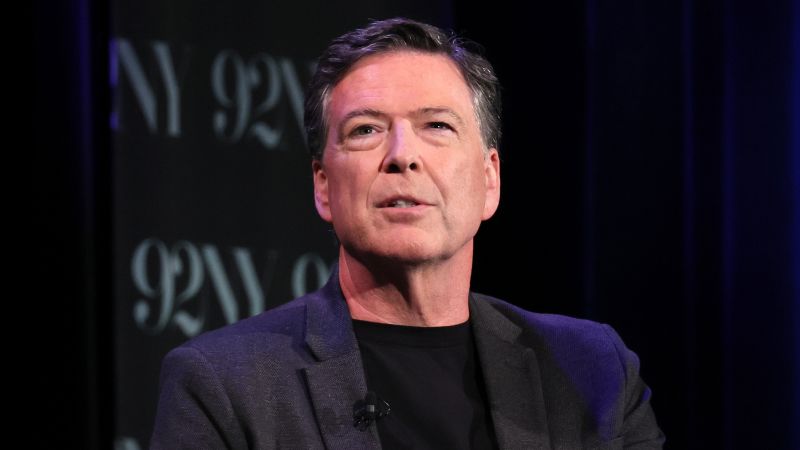
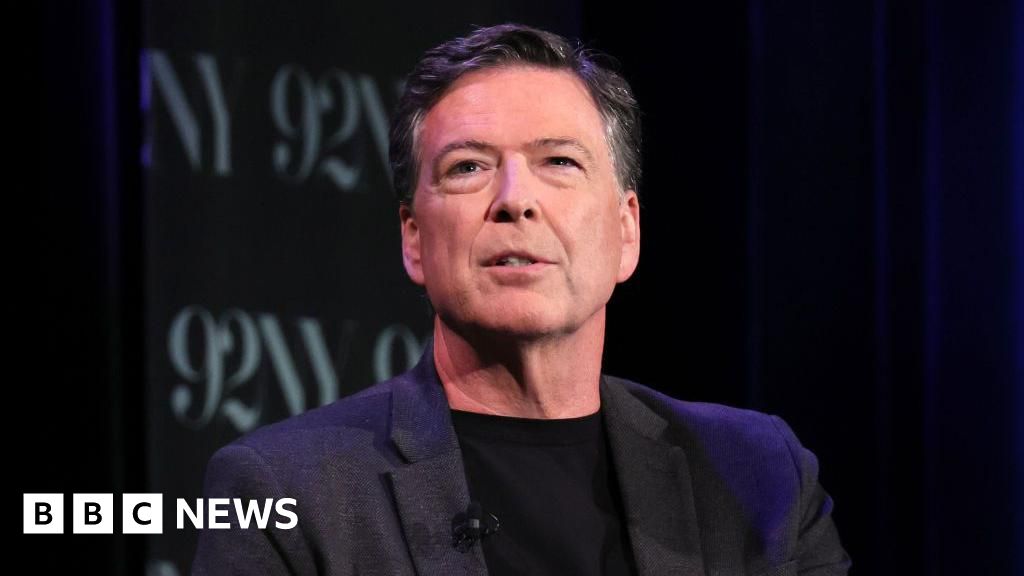
Former FBI Director James Comey was indicted in the United States this week for a second time, according to multiple reports citing Justice Department action. The move lands amid heightened political tensions and raises fresh questions about how far federal prosecutors are willing to go.
The immediate impact is clear: legal pressure on one of Washington’s most recognizable figures just intensified. And in a country already on edge about institutions and accountability, this development is likely to ripple well beyond the courtroom.
The Full Story
The latest indictment stems from a Justice Department probe that has been quietly building momentum. Authorities reportedly examined a controversial social media post involving seashell imagery and the numbers “86 47,” which officials interpreted as a potential threat tied to former President Donald Trump.
Comey, who led the FBI from 2013 until his dismissal in 2017, has long been a polarizing figure. His tenure intersected with high-stakes investigations, including the Clinton email probe and early inquiries into Russian election interference. That history has kept him firmly in the political spotlight — and now, back in legal crosshairs.

This second indictment follows an earlier round of charges, marking a rare escalation. Legal experts say it’s unusual for a former FBI director to face repeated federal charges, let alone tied to conduct interpreted from social media content. Still, prosecutors appear to believe they have enough to move forward.
Meanwhile, Comey has not publicly detailed his legal strategy, but allies have suggested he will contest the allegations vigorously. If you’re following this closely, you know these cases tend to move slowly — but their political impact can be immediate.
Central Figures
James Comey: Former FBI Director, now at the center of federal indictments. His past decisions continue to shape how both supporters and critics view him.
Department of Justice: The federal agency pursuing the case, signaling a willingness to revisit actions tied to high-profile figures.
Donald Trump: The former president indirectly tied to the case through the alleged threat interpretation, adding another layer of political tension.
The Data
While specific figures tied to the case remain limited, one detail stands out: the sequence “86 47,” which prosecutors reportedly interpret as coded language. The number “86” is commonly used in slang to mean removal, while “47” could reference Trump’s potential presidential number if re-elected. The interpretation itself is now a focal point of the legal argument.
What This Means
Here’s the thing — this isn’t just about one man. It’s about how the justice system handles symbolism, intent, and political context in the digital age. For everyday Americans, especially those active on social media, the case raises a bigger question: where’s the line between expression and threat?
In the US, where free speech debates are already heated, this case could become a reference point. The devil’s in the details, and how courts interpret those details may shape future prosecutions.
What to Expect
Legal proceedings are expected to unfold over the coming months, with preliminary hearings likely setting the tone. Prosecutors will need to demonstrate clear intent, while the defense will likely argue misinterpretation.
And yes, you might be wondering — will this go to trial? That remains uncertain. But either way, it’s shaping up to be one of the more closely watched legal battles in recent memory.
FAQ
Why was James Comey indicted again?
The indictment reportedly relates to a social media post interpreted by officials as a potential threat involving coded language.
What does “86 47” mean in this context?
Prosecutors argue it may signal harm toward Trump, though interpretations vary and will likely be contested in court.
Is this connected to Comey’s time at the FBI?
Indirectly. His past role keeps him in the public spotlight, but the charges relate to recent actions.
What happens next in the case?
Initial hearings and legal motions will determine whether the case proceeds to trial.
How could this affect ordinary Americans?
It may influence how courts interpret online speech and intent, especially in politically sensitive contexts.