
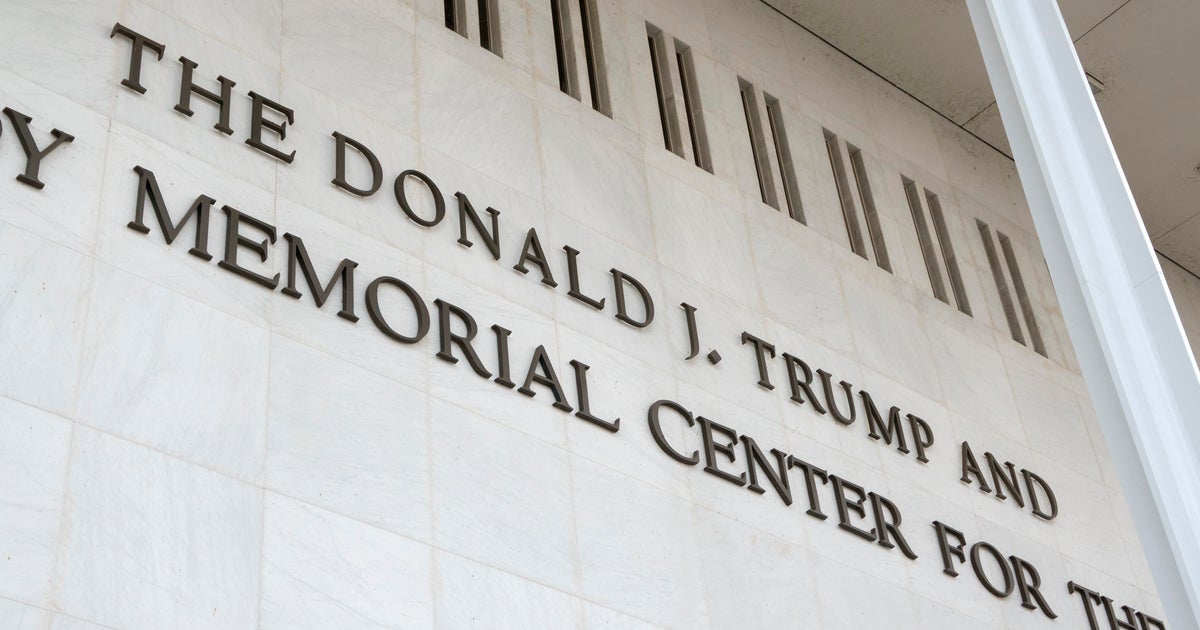
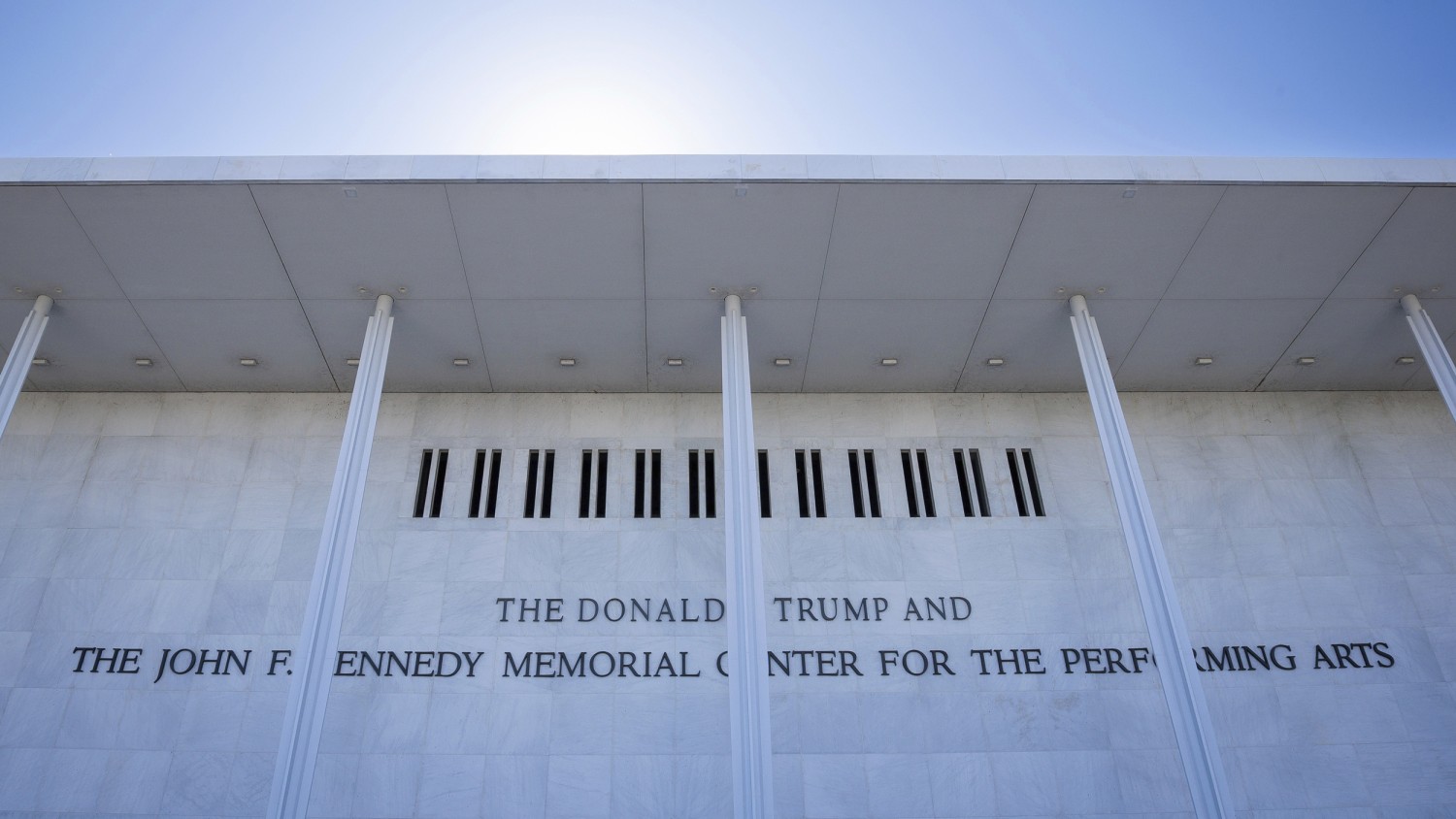
A court-ordered deadline of June 12 has set off a rapid overhaul at one of America's most recognizable cultural institutions. The ruling blocks efforts to attach President Donald Trump's name to the Kennedy Center and requires references tied to that branding effort to be removed. For staff, lawyers, artists and visitors, the decision marks another dramatic chapter in the ongoing struggle over who gets to shape the identity of a national landmark.
The dispute has moved beyond symbolism. It now touches governance, public funding, institutional independence and the role politics should play in American arts organizations.
The Bottom Line
- A judge ruled that Trump's name cannot be added to the Kennedy Center.
- The court ordered related references removed by June 12.
- Lawyers instructed staff to eliminate signage and materials connected to the naming effort.
- The ruling also blocks plans tied to a proposed institutional restructuring.
- The case has reignited debate over politics and public cultural institutions.
Breaking It Down
The conflict grew out of efforts to place Trump's name on parts of the Kennedy Center, a move that immediately drew legal and political scrutiny. Opponents argued that altering the institution's identity conflicted with its congressional mission and historical purpose. Supporters viewed the change as a legitimate exercise of leadership and authority.
As the dispute advanced through the courts, a federal judge sided against the naming effort. The decision not only prevented Trump's name from being attached to the center but also halted broader plans that critics said could fundamentally alter how the institution operates.

Following the ruling, attorneys representing the institution reportedly directed staff to begin removing references connected to the proposed branding. That includes signs, materials and other public-facing elements that reflected the planned change.
Meanwhile, the argument has spilled into a broader national conversation. Critics see the court order as a defense of institutional independence. Supporters of Trump argue the decision reflects ongoing political resistance to his influence. If you're following this story, you might notice that the debate is now as much about power and precedent as it is about a name on a building.
Why This Matters
The Kennedy Center is not just another performing arts venue. It serves as a national cultural symbol, hosting major artistic events, educational programs and nationally recognized honors. Changes to its identity inevitably carry political and cultural weight.
For Americans, the case highlights a recurring question: how much influence should elected leaders have over public institutions that are intended to serve the entire country? Similar battles over naming rights, monuments and public spaces have surfaced repeatedly over the past decade, though few have involved a venue as prominent as the Kennedy Center.
What's interesting is that the ruling arrives during a period when many public organizations are navigating intense political pressure from multiple directions. The devil is in the details, and those details may influence future disputes involving federally connected institutions.
What Comes Next
The immediate focus is the June 12 compliance deadline. Staff members are expected to continue removing affected references while legal teams evaluate their next steps.
Additional appeals or related legal challenges remain possible. Until then, the Kennedy Center is moving forward under the court's order, while the broader political debate shows little sign of slowing down.
FAQ
Why was Trump's name being added to the Kennedy Center?
The effort was part of a broader proposal involving leadership authority and institutional direction.
What did the judge decide?
The judge blocked the naming effort and ordered related references removed.
When must the changes be completed?
The court set a June 12 deadline.
Does the ruling affect Kennedy Center operations?
The institution remains open and operational, though some governance-related plans were affected.
Can the decision be appealed?
Yes. Future legal action remains possible.
Why is this story getting national attention?
Because it combines politics, culture, public institutions and questions about executive influence.