Last updated: Monday, April 13, 2026
Kaja Kallas and Turkey Coordinate Efforts to Solidify US-Iran Ceasefire
High-stakes diplomacy is hitting a fever pitch as European and Middle Eastern leaders scramble to prevent a fragile truce from collapsing. EU Foreign Policy Chief Kaja Kallas and Turkish Foreign Minister Hakan Fidan have joined forces, emphasizing that while the U.S. and Iran appear 'sincere' about a ceasefire, regional spoilers could still pull the plug. For Americans, this isn't just a distant conflict—it is a struggle for global energy security and the price of gas at your local station.
The Backstory
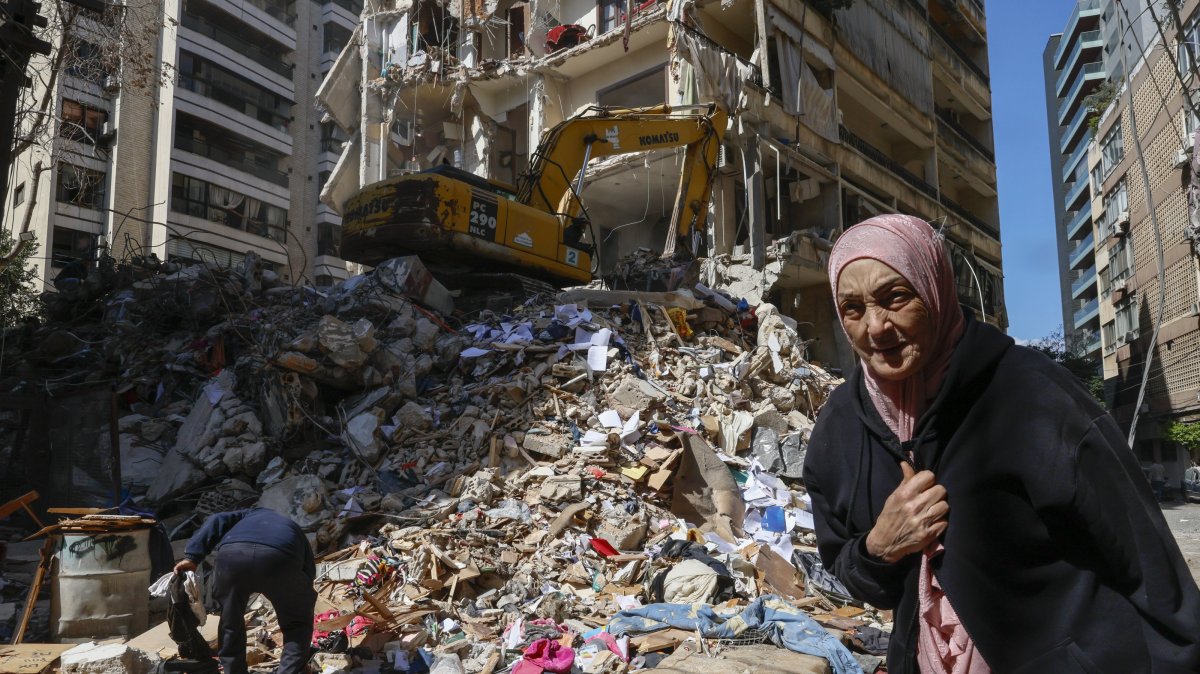
The tension between Washington and Tehran has reached levels not seen in decades, threatening to choke off the Strait of Hormuz—a narrow waterway through which 20% of the world's oil consumption passes. Following a period of intense military friction, a tentative ceasefire was brokered, but skepticism remains high among market analysts and regional players. The stakes are high enough to make anyone’s head spin, as the global economy teeters on the edge of a major energy disruption.
Kaja Kallas, known for her hawkish but pragmatic stance on international security, has stepped into the role of a primary mediator. Turkey, acting as a geographic and political bridge, is uniquely positioned to gauge the sincerity of both the Biden administration and the Iranian leadership. This partnership represents a unified front between the EU and NATO's eastern flank to ensure the ceasefire isn't just a temporary breather before a larger storm.
Here's What Happened
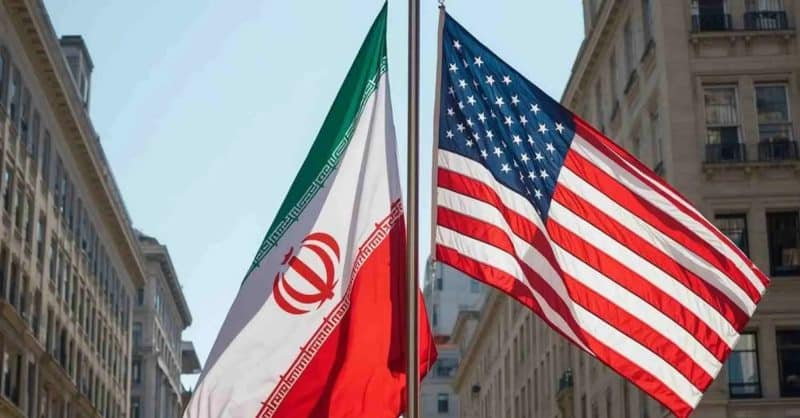
In a critical phone call this week, Fidan and Kallas discussed the technicalities of the ceasefire and the potential for a peaceful reopening of the Strait of Hormuz. Turkish officials have publicly stated that they believe both the U.S. and Iran are genuinely looking for an exit strategy from the current hostilities. However, the narrative isn't all sunshine and rainbows. Turkey has issued a stern warning that Israel might seek to disrupt the truce by opening a new front in Syria once the immediate threat from Iran is neutralized.
What's interesting is the role of the Hormuz waterway. Turkey has expressed deep concerns regarding any 'new rules' or unilateral changes to the transit regulations in the Strait. They argue that the global economy cannot afford a precedent where such a vital artery is subject to arbitrary restrictions. This stance aligns closely with Kallas’s objective to protect European trade routes and ensure energy prices remain stable during a volatile year.
Meanwhile, reports from Ankara suggest that Israel is being accused of 'seeking new adversaries' to maintain its security posture. The Turkish Foreign Ministry indicated that Israel could act against Syria following the de-escalation with Iran, a move that would likely reignite regional tensions and pull the U.S. back into the fray. It’s a game of chess where everyone is playing on three different boards at once.
What People Are Saying
The diplomatic community is cautiously optimistic, but the rhetoric remains sharp. Turkish Foreign Minister Hakan Fidan has been vocal about the precarious nature of the current peace. He has emphasized that while the primary actors are talking, the peripheral triggers remain dangerous.
Israel could act against Syria after the Iran war ends. We are warning that the regional spread of conflict is a risk that has not yet been neutralized.
On the European side, Kallas has been working the phones to ensure that the EU speaks with one voice. Her focus remains on the humanitarian and economic fallout that would result from a failed ceasefire. For her, the priority is clear: keep the shipping lanes open and the diplomats at the table.
The Bigger Picture
Why does this matter to you? Beyond the obvious risk of higher prices, a breakdown in this ceasefire could lead to a broader regional war that involves U.S. troops. The 'Road to Hormuz' is essentially the road to global economic stability. If Turkey and the EU can successfully guarantee the 'peaceful reopening' of the strait, it would mark a massive win for international diplomacy and provide much-needed relief to global markets.

However, the market remains skeptical. Crypto and oil markets have shown significant volatility despite the ceasefire news, reflecting a lack of trust in the longevity of the agreement. This 'show me' attitude from investors suggests that until tankers are moving freely without military escort, the 'all clear' hasn't truly been sounded.
The Road Ahead
In the coming days, we expect more formal statements from the EU regarding specific monitoring mechanisms for the ceasefire. Turkey is also expected to hold further consultations with regional neighbors to ensure that the potential 'Syrian front' does not become a reality. April 20th is being eyed as a key date for a follow-up meeting between EU and Turkish officials to solidify these transit rules.
FAQ
Is the ceasefire between the US and Iran official?
While both sides have reached a functional agreement to stop hostilities, it remains a fragile arrangement overseen by mediators like Turkey and the EU rather than a formal treaty.
Why is Turkey worried about Israel's actions in Syria?
Ankara believes that if Israel targets Syria, it could draw Iranian-backed groups back into the fight, effectively nullifying the current ceasefire and destabilizing Turkey's southern border.
What is the significance of the Strait of Hormuz?
It is the world's most important oil chokepoint. Any closure or 'new rules' regarding its transit would cause global oil prices to skyrocket almost instantly.
What is Kaja Kallas’s role in this?
As the EU's foreign policy chief, she is coordinating the European response, ensuring that member states support the ceasefire and working with regional partners like Turkey to prevent further escalation.

Resources
Sources and references cited in this article.