
Combat veteran and political newcomer Cait Conley secured a decisive victory in Tuesday's Democratic primary for New York's 17th Congressional District, positioning her to challenge Republican incumbent Rep. Mike Lawler in November. The Associated Press and Decision Desk HQ projected Conley as the winner less than an hour after polls closed at 9 p.m. on June 23, 2026. This high-stakes suburban showdown in the Hudson Valley is shaping up to be a critical battlefield that could determine which party controls the U.S. House of Representatives for the final two years of President Donald Trump's term.
The Full Story
The race for New York's 17th Congressional District, which encompasses all of Rockland and Putnam counties alongside parts of Westchester and Dutchess counties, drew national attention as a premier swing district. Conley, a West Point graduate who served 16 years in the U.S. Army and held a counterterrorism post on the National Security Council during the Biden administration, entered the primary as a political newcomer. Backed by three out of four county Democratic leaders and national organizations like Vote Vets and Majority Democrats, she campaigned on an outsider platform focused on lowering housing costs, increasing affordable childcare, and expanding healthcare access.
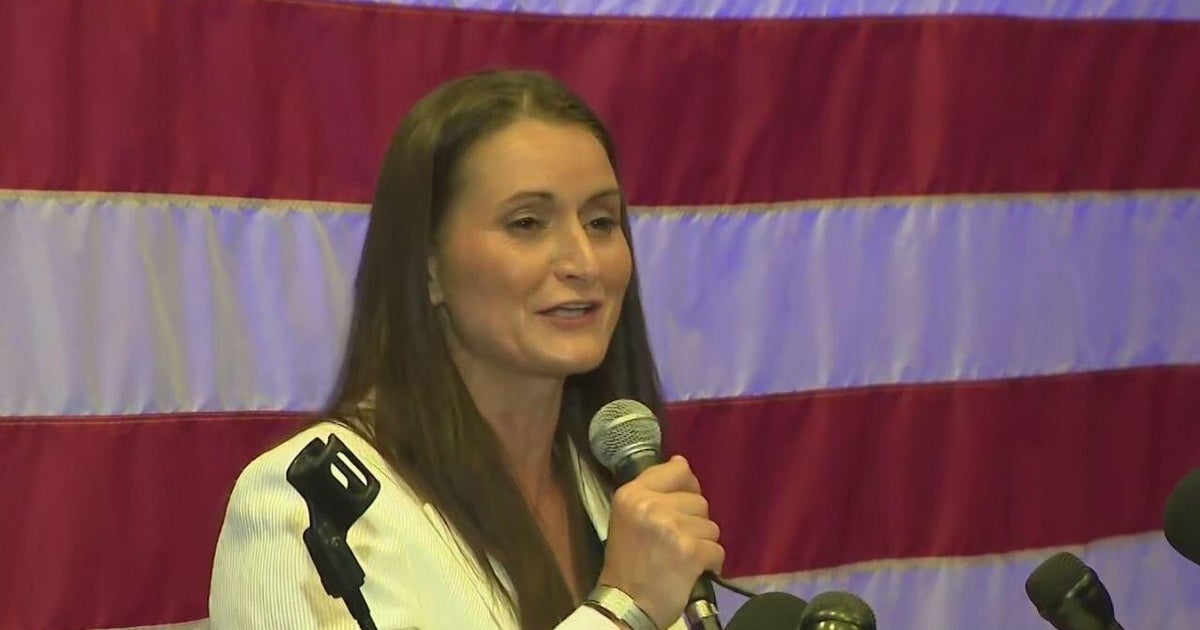
As the votes were counted, Conley established a commanding lead over her opponents. She garnered 48% to 49% of the total vote, while her closest competitor, Rockland County Legislator Beth Davidson, finished with approximately 30% to 34%. Progressive candidate Effie Phillips-Staley, a Tarrytown village trustee, secured third place with 14%, while challengers John Cappello and Mike Sacks each finished with less than 2%. Following her victory, Conley addressed an enthusiastic crowd at the Travelers Rest event venue in Ossining, framing her campaign as a unified effort to unseat Lawler.
The primary campaign was marked by intense spending and strategic maneuvers from both sides. Opponents and a Republican-linked super PAC spent $1.4 million to $1.5 million on advertisement buys targeting Conley's post-government consulting work for two technology firms, attempting to link those companies to federal immigration enforcement contracts. Conley strongly rejected the characterizations, maintaining that her work focused purely on public safety and tech security. Meanwhile, reports surfaced that Rep. Lawler had subtly encouraged Orthodox Jewish voters to support Davidson in the primary to avoid facing Conley in the general election—a strategy that ultimately failed to alter the outcome. Davidson subsequently issued a concession statement pledging her support to ensure Conley defeats Lawler in November.
Who's Involved
- Cait Conley: Democratic nominee for NY-17, a 16-year Army veteran, West Point graduate, and former White House counterterrorism director.
- Rep. Mike Lawler: Two-term Republican incumbent representing NY-17 who first won the seat in a 2022 upset.
- Beth Davidson: Rockland County Legislator and political consultant who placed second in the Democratic primary.
- Effie Phillips-Staley: Tarrytown village trustee who ran a progressive campaign, finishing third.
- Joe Gruters: Republican National Committee (RNC) Chairman, who released a statement attacking Conley's national security record immediately following her win.
By the Numbers
- 48%–49%: The winning percentage of the vote secured by Cait Conley on primary night.
- 16: Total years of military service completed by Conley, including six overseas deployments to Iraq and Afghanistan.
- $1.5 Million: The approximate amount spent by a Republican-linked super PAC on primary advertisements targeting Conley.
- 1,820: The razor-thin vote margin by which Rep. Mike Lawler won his initial election to Congress in 2022.
What This Means
Conley's primary victory signals a win for the Democratic establishment, which heavily favored her military and security credentials over local grassroots alternatives. NY-17 is a highly competitive swing district with a higher number of registered Democrats than Republicans, yet Lawler has held the seat successfully by projecting a bipartisan, moderate image. By running a combat veteran who was registered as an independent until last year, Democrats hope to neutralize Lawler's past strategy of labeling opponents as overly progressive on law enforcement and cash bail issues. The outcome in November will directly impact the balance of legislative power in Washington during the final phase of the current presidential administration.

What to Expect
With the primary settled, the general election campaign begins immediately. Incumbent Rep. Mike Lawler wasted no time issuing a public challenge to Conley via social media, calling for six televised debates leading up to the November election. Both parties are expected to inject substantial campaign funding into the district over the coming months, turning the Hudson Valley into a primary focus for national congressional campaign committees ahead of the November 3 midterm elections.
People Also Ask
Who won the Democratic primary for New York's 17th Congressional District?
Combat veteran and former national security official Cait Conley won the primary on June 23, 2026, defeating Rockland County Legislator Beth Davidson and three other candidates.
Who is Cait Conley challenging in the general election?
Conley will face the two-term Republican incumbent, Representative Mike Lawler, in the general election this November.
What is Cait Conley's professional background?
Conley is a West Point graduate who served 16 years in the U.S. Army, deploying overseas six times. She also served as a director of counterterrorism on the National Security Council during the Biden administration.
What areas are included in New York's 17th Congressional District?
The district represents New York City's northern suburbs, covering the entirety of Rockland and Putnam counties, alongside parts of Westchester and Dutchess counties.