

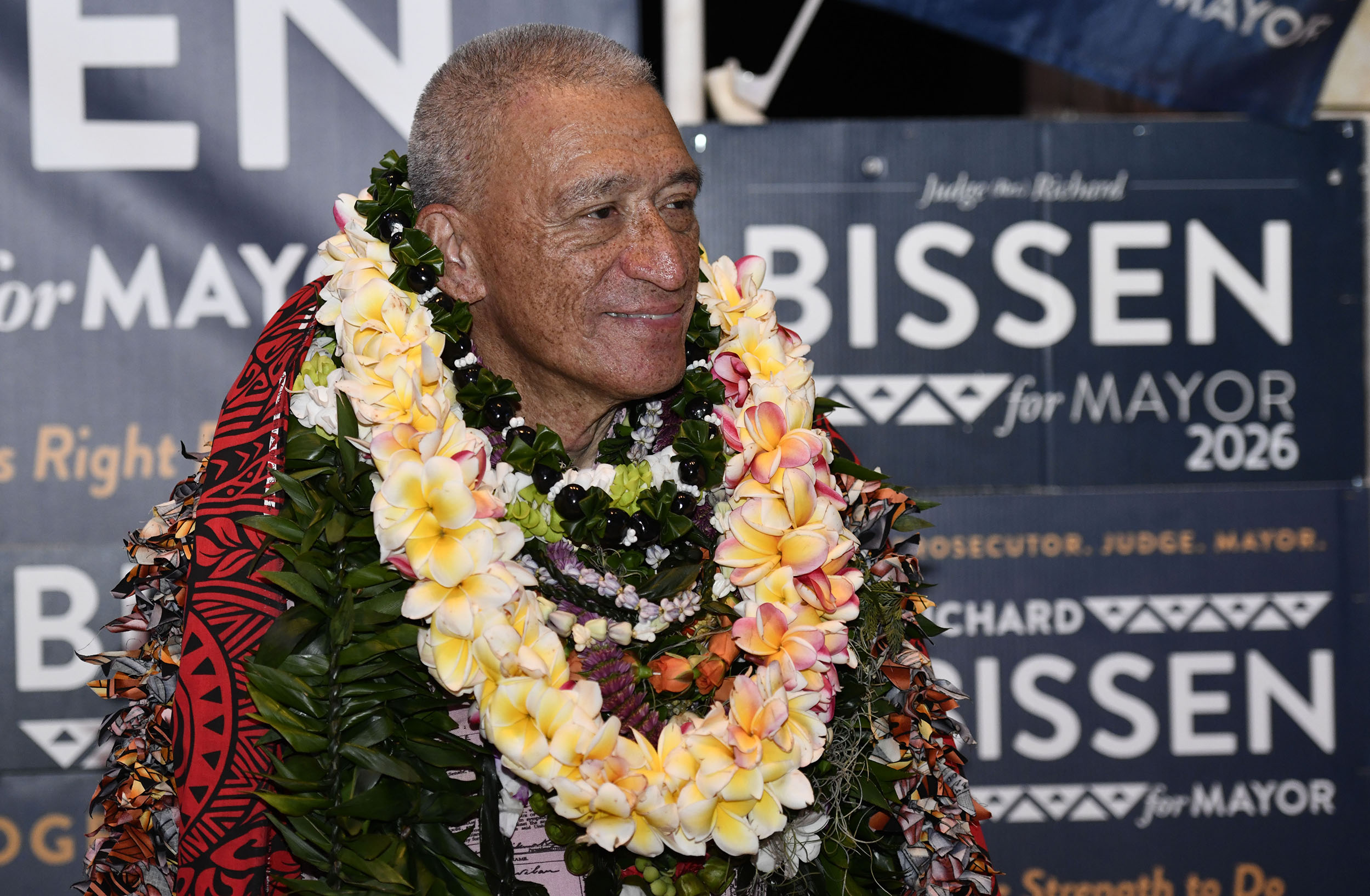
Maui voters have given incumbent Mayor Richard Bissen a strong advantage in an election that could shape the island's recovery from the devastating 2023 wildfires, its housing policies and the future of local water management. Preliminary results from the November 3, 2026, general election show Bissen leading challenger Yuki Lei Sugimura by more than 4,000 votes. The contest has drawn particular attention because residents are choosing who will oversee the county during a critical period of rebuilding, housing development and economic recovery.
The Result
Bissen emerged as the clear leader in the second preliminary results printout, receiving 23,109 votes, or 53.8%. Sugimura received 18,779 votes, or 43.7%, leaving a difference of 4,330 votes in the incumbent's favor, according to Hawaii News Now and Hawaii Public Radio.
The results put Bissen in a strong position to secure another four-year term. KITV also reported that he had secured reelection based on the first results printout. However, the available reports describe preliminary returns, and a complete certified vote total has not been provided.
The campaign attracted considerable attention because it offered voters two different approaches to governing Maui County. Bissen, a former judge, sought another term to continue his administration's work. Sugimura, a longtime Maui County Council member, campaigned on restoring public trust, expanding housing opportunities and supporting the local economy.
The available reports do not provide a final countywide turnout percentage or a complete certified vote count. Consequently, the preliminary figures should not be confused with the final official results.
How the Vote Unfolded
Bissen's advantage developed before Election Day. In the August primary, he received 46% of the vote, compared with Sugimura's 33%. P. Denise La Costa, who was critical of both candidates during her campaign, finished third with 11%.
Sugimura narrowed the difference during the general election campaign, but the second results printout still showed Bissen comfortably ahead. Her campaign also received substantial financial backing. The political action committee For A Better Tomorrow spent nearly $1.8 million on advertising, social media and mailers supporting her mayoral bid during the month before the election. That spending came in addition to approximately $565,000 the organization had spent supporting her before September 26.
Election Day operations across Maui County were generally smooth. At the Velma McWayne Santos Community Center in Wailuku, voters encountered short waits and access to in-person voting, walk-up ballot drop boxes and a drive-through drop-off lane. A morning rush developed around 6:30 a.m., before the center opened at 7 a.m., but activity became steadier later in the day.
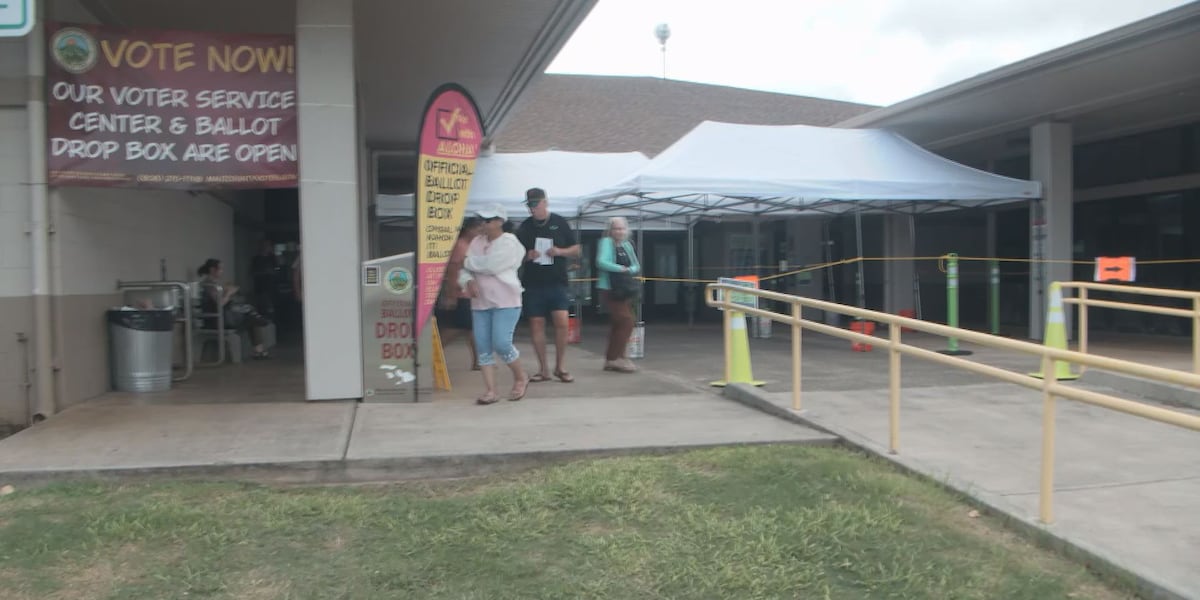
Election officials also reported a noticeable number of first-time voters across the island. In Lahaina, where wildfire recovery remained a major concern, many residents used the drop box at Lahaina Civic Center to submit completed mail-in ballots. The ballot included eight proposed county charter amendments alongside competitive local races.
There is no detailed demographic breakdown in the available preliminary reports, so the results do not establish which age groups or voter communities determined the mayoral contest.
Who Won and Why
Bissen's lead reflects the advantage of an incumbent who could point to an established record, particularly on disaster recovery and housing-related initiatives. He became mayor in January 2023 after previously serving as Maui County Prosecuting Attorney and First Deputy Attorney General.
His administration established the county's Office of Recovery and secured $1.6 billion in federal disaster recovery funding for housing, alongside additional federal funding for other recovery needs. He also introduced the Holomua Kākou initiative to increase government engagement and bring county leadership to remote communities.
Those achievements gave Bissen a record to present to voters as Maui continued rebuilding after the 2023 wildfires. His campaign also emphasized emergency preparedness, water infrastructure, housing for local residents and protecting cultural resources.
Sugimura offered a different direction. Her campaign focused on rebuilding trust in county government, addressing housing shortages and strengthening the local economy. She also attracted support from donors and organizations connected to real estate and tourism interests.
One major dividing line was Bill 9, Bissen's legislation proposing to phase out thousands of short-term vacation rentals to create more long-term housing. Sugimura had criticized the measure, making the future of vacation rentals and housing policy a significant point of disagreement between the candidates.
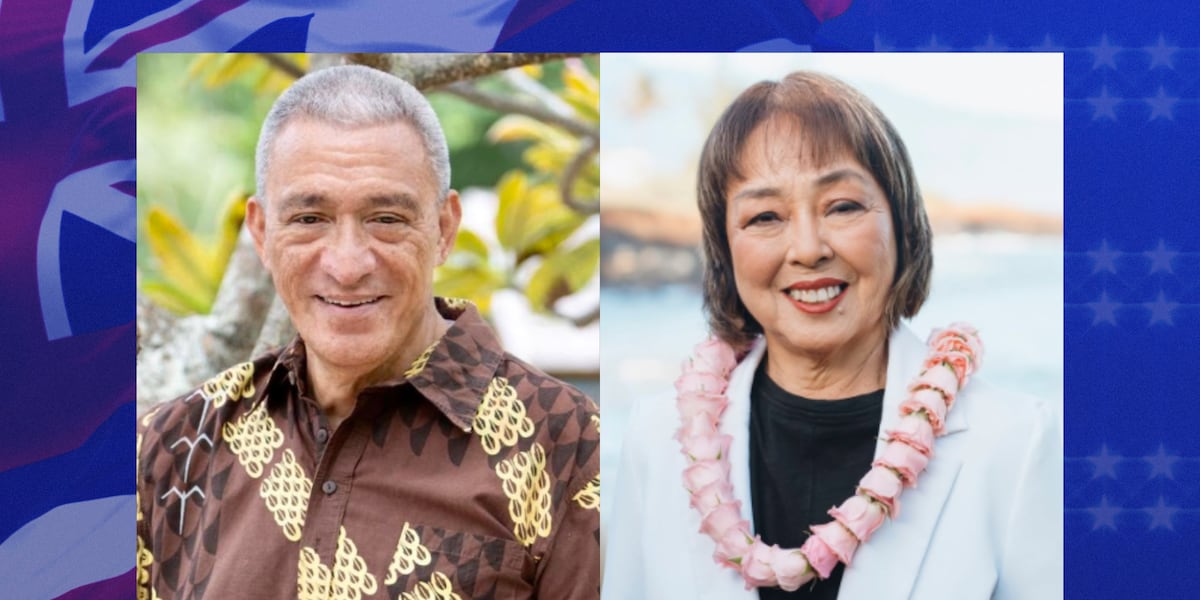
Despite substantial independent spending supporting Sugimura, Bissen maintained his lead. He said his campaign had been outspent and credited his team with finding creative and cost-conscious ways to compete.
What It Means for Policy and Power
A Bissen victory would give his administration another four years to pursue its approach to Maui's recovery and development. Housing availability, affordability and water infrastructure are likely to remain central concerns because both candidates identified them as major priorities for residents.
The debate over Bill 9 carries particular significance for homeowners, renters, tourism businesses and communities seeking more permanent housing. The proposed phaseout of thousands of short-term vacation rentals has become a major dividing line in discussions about how Maui should balance its tourism economy with the needs of permanent residents.
The election also produced important developments in the County Council races. In Upcountry and Central Maui, Bobby Pahia led Jon Yokouchi with 59.3% against 26.53%, while Marvin Moniz led Ashley Awakea Lindsey with 52.6% against 31.3%.
Other preliminary council results showed Kelly King ahead of incumbent Tom Cook in South Maui, 46.2% to 42.8%. Shane Sinenci led Claire Kamalu Carroll in East Maui, while Tamara Paltin led Mark Tillman in West Maui, 60.5% to 24.6%. These races could influence how the county's legislative priorities develop alongside the mayor's agenda.
What Happens Next
The immediate priority is the completion and certification of the election results. Although Bissen's preliminary advantage is substantial, the published figures should be distinguished from the final certified count.
If his reelection is confirmed, Bissen will have another four-year term to continue his administration's recovery work, pursue housing initiatives and address water infrastructure and emergency preparedness. The county's response to the 2023 wildfires will remain an important measure of his administration's performance.
Attention will also turn to the newly elected County Council members and the balance of support for major county policies. Decisions concerning long-term housing, short-term vacation rentals and public water infrastructure will affect residents and businesses well beyond the mayoral campaign.
For Maui residents, the election represents more than a choice between two candidates. It is a decision about the direction of the island's recovery, the availability of housing and how county government should balance economic activity with the needs of local communities.
Frequently Asked Questions
Who is leading the 2026 Maui mayoral election?
Incumbent Richard Bissen is leading the preliminary results with 23,109 votes, or 53.8%, compared with Yuki Lei Sugimura's 18,779 votes, or 43.7%.
How many votes separate Richard Bissen and Yuki Lei Sugimura?
The second preliminary results printout showed Bissen ahead by 4,330 votes.
What were the main issues in the Maui mayoral election?
The leading issues included housing affordability, water infrastructure, wildfire recovery, public trust, the local economy and the proposed phaseout of thousands of short-term vacation rentals under Bill 9.
How much federal recovery funding did Maui secure under Bissen?
Bissen's administration secured $1.6 billion in federal disaster recovery funding for housing, along with additional federal funding for other recovery needs.
When will the final Maui election results be available?
The available reports provide preliminary results from November 3, 2026, but do not specify a date for completion of the final certified vote count. Readers can follow updates through the Hawaii Office of Elections.
Sources: Honolulu Civil Beat's election results coverage, Hawaii News Now's mayoral results report, Hawaii Public Radio and KITV.