
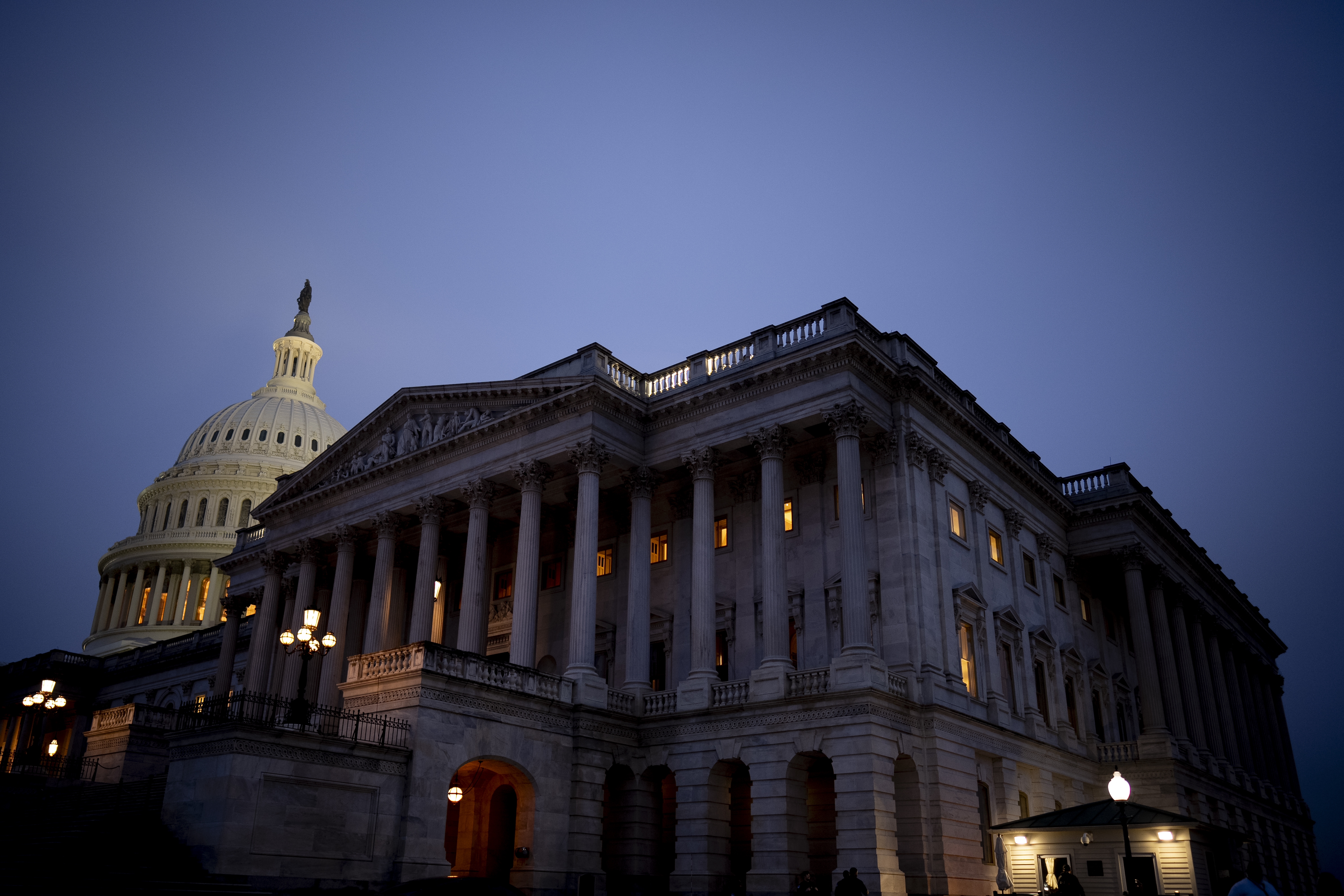
The mood in Washington feels like a slow-building storm. Campaign offices are buzzing, donors are watching closely, and strategists on both sides are quietly recalculating. With months still to go before voters head to the polls, one thing is already clear: the fight for control of the U.S. Senate is shaping up to be a razor-thin contest.
Polls, betting markets, and early campaign signals all point in the same direction — a dead heat. Democrats see an opening, Republicans see a path to hold on, and voters across key states may ultimately tip the balance.
How Events Unfolded
The race for Senate control didn’t suddenly tighten overnight. Over the past few weeks, new polling data and political forecasts have consistently pointed to a near-even split between Democrats and Republicans.
Some projections suggest Democrats are gaining momentum, especially in states where Republican incumbents face shifting voter sentiment. At the same time, Republican strategists are doubling down on defensive efforts in traditionally competitive regions.
Meanwhile, prediction markets — often a reflection of where money is flowing — are signaling a 50-50 chance for control. That’s about as close as it gets in modern politics.
If you’re following this closely, you’ll notice a pattern: no clear favorite, just a series of small advantages that could flip quickly depending on turnout, candidate performance, and national mood.
Digging Deeper
Here’s the thing — this isn’t just about one election cycle. The Senate map for 2026 puts several vulnerable seats in play, including states where demographic shifts and recent voting trends are reshaping expectations.
Democrats are targeting key battlegrounds where they believe recent national trends — including shifting suburban voters — could give them an edge. Republicans, on the other hand, are focusing on holding ground in states that have leaned their way in recent cycles.

Another factor? The broader political environment. Some analysts point to weakening support for high-profile political figures as a potential boost for Democratic candidates. Others argue that economic concerns could still swing voters toward Republicans.
It’s a bit of a coin toss right now — and everyone knows it.
What People Are Saying
Political analysts across the spectrum agree on one point: this race is wide open. Some forecasts suggest Democrats’ chances of flipping the Senate have improved in recent weeks, while others caution that the margin is still too tight to call.
Campaign insiders say the focus is now on turnout — who actually shows up to vote — rather than persuasion alone. In a race this close, even small shifts in voter enthusiasm can make a difference.
Traders and analysts watching election markets have echoed that uncertainty, noting that the odds remain evenly split despite new polling data.
Putting It in Perspective
For everyday Americans, this isn’t just political theater. Control of the Senate directly shapes legislation — from healthcare and taxes to judicial appointments and federal spending.
If Democrats gain control, it could mean a smoother path for policy priorities aligned with their agenda. If Republicans hold on, expect continued gridlock on major issues.
What’s interesting is how localized this national fight has become. A handful of states — and even specific counties — could ultimately decide the outcome.
All politics is local, as the saying goes. In 2026, that might matter more than ever.
Looking Ahead
As the midterms approach, expect sharper campaign messaging, heavier ad spending, and more attention on swing states. Debates, fundraising totals, and voter turnout efforts will all play a role in shaping the final result.
Nothing is locked in yet. Not even close.
And if history is any guide, the final weeks could bring surprises that shift the entire landscape.
FAQ
Why is the 2026 Senate race so close?
Because the current political environment is evenly split, and several competitive seats are up for grabs.
Which party is favored right now?
Neither — most projections show a near 50-50 split with slight fluctuations.
What states matter the most?
A handful of battleground states where past elections were close will likely decide control.
How does Senate control affect me?
It impacts laws on taxes, healthcare, and federal policies that shape daily life.
When will we know the final outcome?
Election results will come after voting day, but close races could take longer to finalize.