
Last updated: July 5, 2026, 9:27 AM EDT
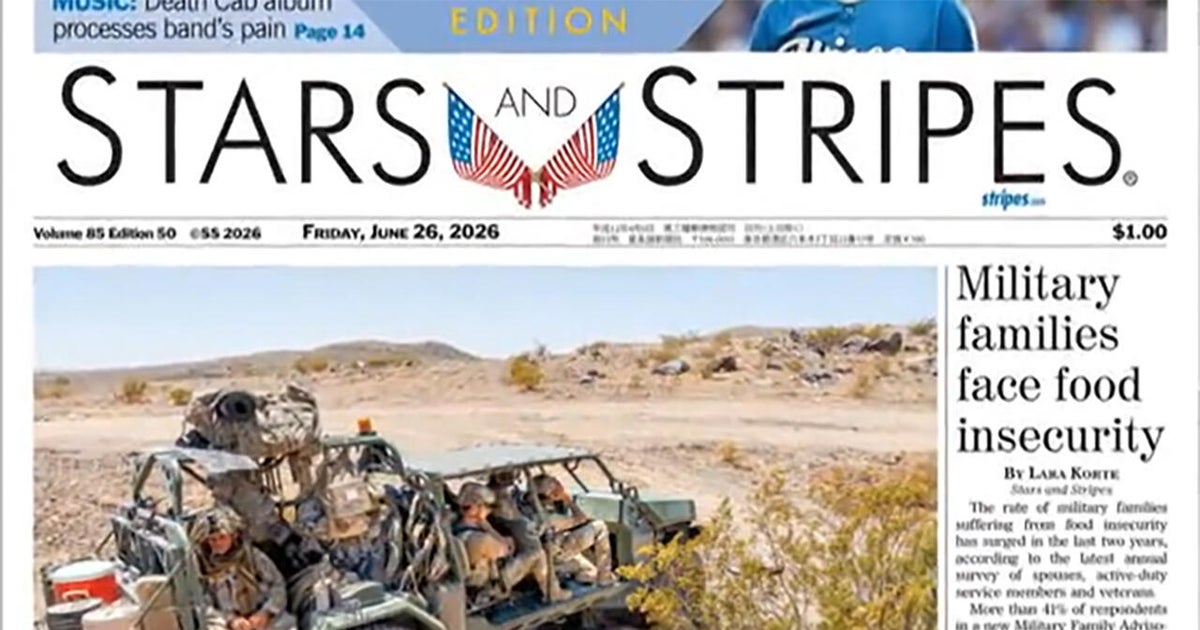
The front page was built for service members: drone tactics, military families facing food insecurity, and practical stories for troops overseas. Behind that mix, Stars and Stripes is in a widening fight with the Pentagon over who decides what the paper can publish. New restrictions, the firing of its ombudsman, and multiple lawsuits have turned the dispute into an active First Amendment case.
How Events Unfolded
Stars and Stripes is part of the Department of Defense, and its journalists are Pentagon employees, yet the paper has long operated with a separate editorial mission. CBS News reported that an average of 1.4 million people see its coverage each day, mostly online, while print editions still reach service members in overseas locations where internet access can be unreliable.
The current conflict intensified in January, when chief Pentagon spokesman Sean Parnell said the department would modernize the paper and move its content away from what he called “woke distractions.” Around the same period, the Pentagon rescinded a federal regulation directing that Stars and Stripes operate without news management or censorship.
A March 2026 memo then imposed concrete limits. According to editor-in-chief Erik Slavin, the paper was barred from running comics and from using paid wire-service news, including Associated Press stories. Slavin said that made breaking-news coverage more difficult because the newsroom lost a major source of fast, broad reporting.
The dispute moved into court after two advisory board members sued the Defense Department, accusing it of violating the First Amendment. Former ombudsman Jacqueline Smith also sued after her April firing, alleging retaliation for columns criticizing the Pentagon’s efforts to reshape the publication.
Digging Deeper
The conflict goes beyond cartoons or wire copy. The deeper issue is whether a government-funded military newspaper can remain independent when the department it covers also controls its operating rules.
Stars and Stripes traces its roots to the Civil War, was revived during World War I, and has been published continuously since World War II. Its history includes clashes with military leaders, including General George Patton’s objections to Bill Mauldin’s cartoons showing exhausted, muddy enlisted troops. General Eisenhower backed the cartoonist and told Patton not to interfere.

That history matters because the paper’s audience relies on coverage shaped around military life. Recent examples ranged from drone tactics to family food insecurity and travel information for troops in Europe. The new standards could affect not just political coverage, but the everyday information service members use.
What People Are Saying
Slavin has argued that the newsroom’s core mission is to provide independent news to the military community. He told CBS News that being ordered to replace an accurate story with Pentagon-written material would cross a red line.
Smith’s lawsuit makes a similar argument from a legal angle. Her complaint says she was dismissed after criticizing Pentagon restrictions, and she is seeking an injunction that would restore her to the ombudsman position. The role was created by Congress to monitor editorial independence and report concerns.
The Pentagon declined CBS News’ interview request because of ongoing litigation. In response to the separate advisory-board lawsuit, Parnell said the case was without merit and that the department expected to prevail.
Putting It in Perspective
For military families, veterans, and U.S. taxpayers, the stakes are practical. A newsroom with less freedom to choose accurate stories may become less useful on deployments, benefits, family pressures, security risks, and daily military life.
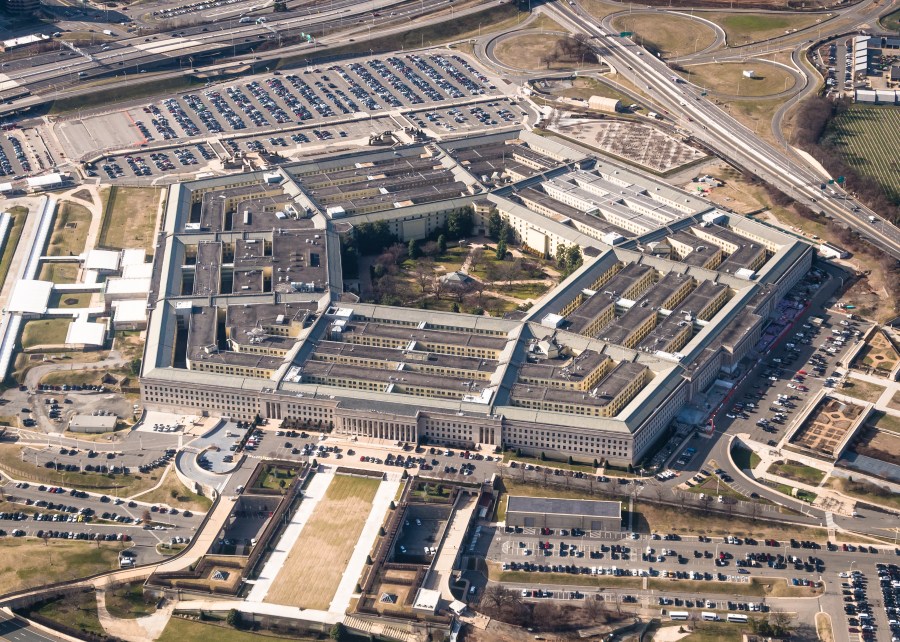
The legal fight also tests how much editorial control a federal agency can exercise over a publication it funds but that has long been presented as independent. With roughly 1.4 million daily readers, the outcome could reach far beyond one newsroom.
There is also a direct trust problem. Reporters who cover the same institution that employs them already operate under unusual pressure. Rules requiring content to align with “good order and discipline of the military” could become especially contentious when journalists report stories that are accurate but uncomfortable for Pentagon leadership.
Looking Ahead
The next confirmed steps are in federal court. Smith is pursuing her case over her firing and seeking reinstatement, while the advisory-board lawsuit challenges the Pentagon’s broader overhaul of the paper. The courts will decide whether the department’s actions crossed constitutional or statutory lines.
Inside the newsroom, the paper continues publishing. CBS News reported that at least one correspondent said she had not been stopped from covering a specific story, while also expressing concern that more restrictions could follow. The central question is now concrete: whether Stars and Stripes can keep choosing its own journalism while operating inside the Defense Department.
FAQ
Why is the Pentagon fighting with Stars and Stripes?
The dispute centers on new Pentagon rules that limit what the newspaper can publish and how it gathers news, including bans on comics and paid wire-service stories.
Who is Jacqueline Smith, and why did she sue?
Smith was the paper’s ombudsman, responsible for monitoring editorial independence. She says her firing was retaliatory and violated her First Amendment rights.
How many people read Stars and Stripes?
CBS News reported that an average of 1.4 million people see the publication each day, mostly online.
What could change for military readers?
If Pentagon officials gain more control over editorial decisions, readers could receive a narrower range of independent reporting about military life, policy, and leadership.
What happens next in the Stars and Stripes case?
Federal courts will consider Smith’s lawsuit and the separate advisory-board challenge to the Pentagon’s changes. Both cases focus on editorial independence and government control.