Supreme Court clears path for Trump DOJ to dismiss Steve Bannon conviction
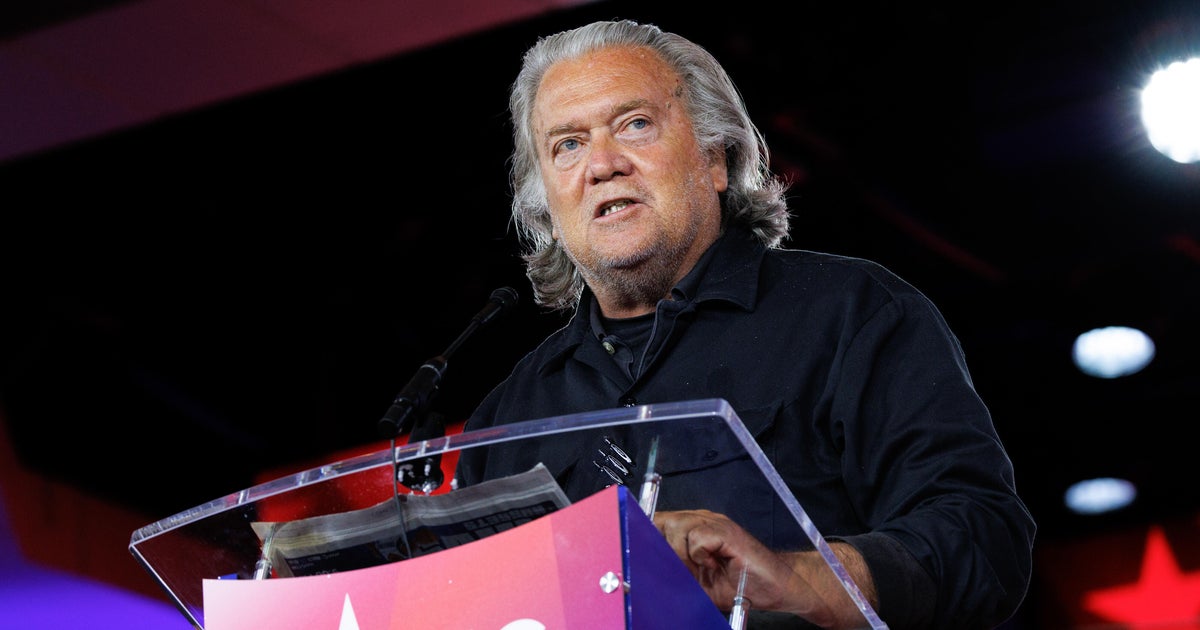
In a major legal pivot that reshapes the boundaries of executive privilege and congressional oversight, the Supreme Court has cleared the way for the Department of Justice to formally abandon its criminal case against Steve Bannon. The decision marks a definitive victory for the former White House strategist, effectively neutralizing a high-profile legal battle that has spanned years of litigation. While Bannon already served his four-month prison sentence, the high court's intervention essentially allows the executive branch to scrub the conviction from his record entirely.

What We Know So Far
The Supreme Court's order is the final green light required for the Trump administration's Department of Justice (DOJ) to seek the dismissal of Bannon's 2022 conviction for contempt of Congress. Bannon was originally charged after refusing to comply with subpoenas from the House Jan. 6 committee, arguing that former President Trump had invoked executive privilege—a legal doctrine that protects certain communications between a president and their advisers from being disclosed. At the time, federal courts rejected this defense, leading to Bannon's four-month stint in federal prison which he completed last year.
However, under the current administration, the DOJ has undergone a total reversal in its legal posture. Federal prosecutors now argue that the original prosecution was legally flawed and encroached upon the separation of powers. By bringing the matter to the Supreme Court, the government sought to ensure that the lower courts could not block the dismissal of the case. What’s interesting is that this move doesn't just help Bannon; it sets a significant precedent for how future administrations might shield their former staff from congressional scrutiny.
The move to dismiss is essentially an exercise of prosecutorial discretion. In the eyes of the current DOJ, the Jan. 6 committee overstepped its bounds. This is a 180-degree turn from the previous administration's stance, which viewed Bannon’s defiance as a direct assault on the rule of law. The pendulum has swung back, and for Bannon, it means the ultimate vindication in a saga that many thought ended when he walked out of the prison gates in Connecticut.
The Response
The legal community is already dissecting the implications of this dismissal. Critics argue that allowing the DOJ to simply wipe away a conviction after a sentence has been served undermines the finality of the judicial process. Supporters, conversely, see it as a necessary correction to what they term 'lawfare'—the use of legal systems and institutions to damage or delegitimize an opponent. The political nature of the original Jan. 6 probe continues to color how this news is received on both sides of the aisle.
The Supreme Court's action today recognizes that the executive branch has the ultimate authority to decide which cases it will and will not pursue, especially when constitutional principles like executive privilege are at stake.
What It Means for You
For the average citizen in the United States, this ruling is a signal of the immense power held by the Department of Justice to reinterpret the law across different administrations. It highlights a growing trend where legal victories are increasingly tied to the political party holding the keys to the DOJ. If you've been following the Jan. 6 investigations, this development essentially renders the committee's enforcement power over Bannon null and void. The buck stops at the ballot box, as the shift in policy is a direct result of the most recent election.
Coming Up
The next step is for the D.C. Circuit Court of Appeals to formally vacate the conviction based on the Supreme Court's guidance. While the conviction will likely be wiped from Bannon's record, the political fallout is just beginning. Expect to see renewed debates in Congress regarding the 'Contempt of Congress' statute and whether it needs to be strengthened or reformed to prevent future administrations from simply dismissing cases against their allies.
At a Glance
- The Supreme Court has paved the way for the DOJ to dismiss Steve Bannon's contempt conviction.
- Bannon had already served a four-month prison sentence for the conviction before this reversal.
- The current Department of Justice argued the original prosecution was legally unsound.
- This decision reinforces the power of the President to influence ongoing and past federal criminal cases.
- The conviction stems from Bannon's refusal to testify before the House Jan. 6 Committee.
People Also Ask
Did Steve Bannon already go to jail? Yes, Bannon served a four-month sentence in a federal correctional institution in Danbury, Connecticut, and was released in late 2024. Despite having finished the sentence, the dismissal of the case would clear his criminal record of this specific conviction.
Why is the DOJ dismissing the case now? The Department of Justice under the current administration believes the original prosecution was an overreach that ignored the protections of executive privilege. They argue that as a former high-level advisor, Bannon should not have been criminally prosecuted for following a former president's instructions.
What is Contempt of Congress? Contempt of Congress is a criminal offense that occurs when an individual willfully refuses to comply with a subpoena issued by a congressional committee. It is meant to ensure that Congress can gather the information it needs to legislate, though it is often subject to legal challenges regarding privilege.
Can the Supreme Court's decision be appealed? No, the Supreme Court is the highest court in the land. Its decision to clear the path for the DOJ’s dismissal is final, and the lower courts must now follow this direction to close the case.

Resources
Sources and references cited in this article.