

Last updated: Monday, June 15, 2026
The United States and Iran reached an initial agreement Monday to extend a shaky ceasefire and reopen the Strait of Hormuz, with a signing planned Friday in Geneva. The immediate impact is global: markets rallied, oil prices fell, and shippers were told the waterway still was not safe to cross.
The deal gives President Donald Trump a chance to halt a nearly four-month war, but it also pushes the hardest questions into a 60-day negotiation window. Israel is not a party to the agreement, and its refusal to withdraw from seized areas in Lebanon could still pull the arrangement apart.
The Full Story
According to AP News reporting on the initial agreement, the United States and Iran have agreed on a framework that would lead to the reopening of the Strait of Hormuz and extend the ceasefire. Mediator Pakistan said the deal is expected to be signed Friday in Geneva, while Iranian Deputy Foreign Minister Kazem Gharibabadi said Iran would not begin implementing it until it is signed.
That matters because the strait is not just another shipping lane. Before the conflict, roughly a fifth of the world’s oil and natural gas passed through it, and Iranian attacks on ships brought traffic close to a halt. The U.S. military advisory was blunt: merchant ships should not attempt to cross until they receive explicit direction.
Trump celebrated the agreement publicly and said he had authorized the opening of the strait and the end of the U.S. blockade of Iranian ports. CNBC reported that Trump later said the strait would open only after Friday’s signing, while Iranian state media described the reopening as subject to Iranian arrangements through the still-unreleased memorandum.
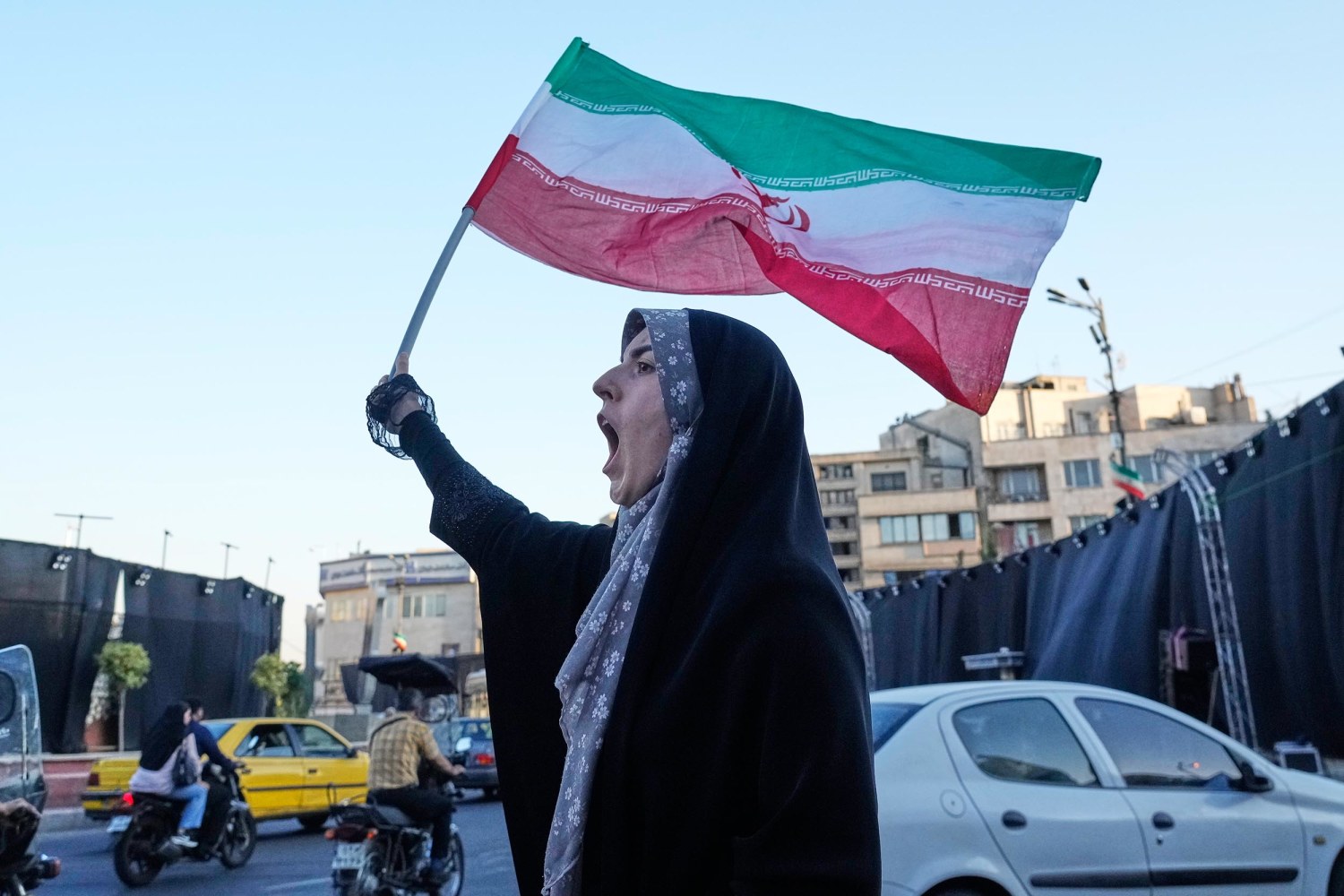
Meanwhile, the Lebanon issue sits right at the center of the deal’s fragility. Iran has insisted that ending the war must include Lebanon, where Israel is fighting Hezbollah. Israel’s defense minister, Israel Katz, said Israel would not withdraw from land it holds in Lebanon, Syria and Gaza, and Netanyahu’s office said Israel would keep acting against threats to its citizens.
Key Figures
Trump is the central U.S. figure, balancing a public victory lap with pressure to end a war that has raised costs and strained his political standing before the midterms. Vice President JD Vance told CNBC the interim arrangement includes a commitment from Iran to never develop or procure a nuclear weapon and that verification would guide sanctions relief.
On Iran’s side, Gharibabadi confirmed the agreement on state television, while Foreign Minister Abbas Araghchi remained central to the diplomacy. NBC News reported that Iranian President Mahmoud Pezeshkian said the memorandum is scheduled to be signed Friday. Vance said the Iranian side was expected to include parliamentary speaker Mohammad Bagher Ghalibaf and Araghchi, along with security officials.
Netanyahu and Katz are the deal’s biggest outside pressure points. Israel is not expected to attend the Geneva signing, yet its military choices in Lebanon may decide whether the U.S.-Iran framework survives its first week.
Facts & Figures
The agreement gives both sides 60 days to tackle Iran’s nuclear program, sanctions, and regional security. That is a short window for issues that previously took years to negotiate under the 2015 nuclear accord.
The shipping numbers show why markets moved so quickly. NBC News cited maritime analysis saying only a handful of vessels crossed the waterway on Sunday and that roughly 500 vessels were in the area. One analyst said a return to normal shipping could take two to three months, meaning Americans may not feel relief at the pump immediately.
The regional cost has already been steep. AP reported that the war has killed thousands across the Middle East and raised prices for fuel, food, and other basic goods far beyond the region. CNN’s account put the recent toll at more than 3,000 in Iran and over 3,600 in Lebanon, citing monitoring groups and Lebanon’s health ministry.
What This Means
For U.S. households, the most practical effect is energy uncertainty. A political announcement can move markets in hours, but shipping, insurance, mine clearance, and regional security take longer. That is why a deal can push oil prices down on Wall Street while gasoline and freight costs remain stubborn for ordinary families and businesses.

The larger question is whether the war changed the nuclear equation or simply returned both governments to the same negotiating table with more damage behind them. CNN described the new deadline as a possible repeat of an earlier cycle: threats, diplomacy, Israeli military action, U.S. force, then another push for talks. That history makes the Friday signing more than a ceremony; it is the first test of whether either side can hold the line long enough to negotiate.
The deal also exposes a split between Washington and Israel. Trump wants the conflict wound down. Netanyahu’s government says it will keep striking threats tied to Hezbollah. If those positions collide again, Iran could argue the agreement is being violated before the nuclear talks even begin.
What to Expect
Preparatory meetings are expected in Doha this week before the Geneva signing on Friday. The strait is not expected to fully reopen before the agreement is signed, and the U.S. blockade remains in place pending execution of the deal.
After that, the focus shifts to verification, sanctions relief, Iran’s highly enriched uranium, and whether Lebanon is included in a durable ceasefire. The text of the memorandum has not been released, so the exact enforcement mechanism is still unknown.
FAQ
Did the U.S. and Iran sign a deal?
No. They reached an initial agreement, but the formal signing is scheduled for Friday in Geneva.
Is the Strait of Hormuz open now?
No. U.S. and Iranian statements say the reopening is tied to the signing, and shipping groups still describe the route as risky.
Why does the Strait of Hormuz matter?
Before the war, about a fifth of global oil and natural gas moved through the strait, so disruptions can affect fuel prices worldwide.
What does the deal say about Iran’s nuclear program?
The agreement creates a 60-day window for talks on Iran’s nuclear program, highly enriched uranium, sanctions, and regional security.
Is Israel part of the agreement?
No. Israel is not party to the U.S.-Iran deal, and its military operations in Lebanon remain a major risk to the ceasefire.
Could this lower gas prices in the U.S.?
It could ease pressure if shipping normalizes, but analysts cited by NBC News said traffic may take two to three months to return to prewar levels.